
Private active journey
About this Journey
Level 5/5 – For experienced trekkers seeking a demanding challenge.
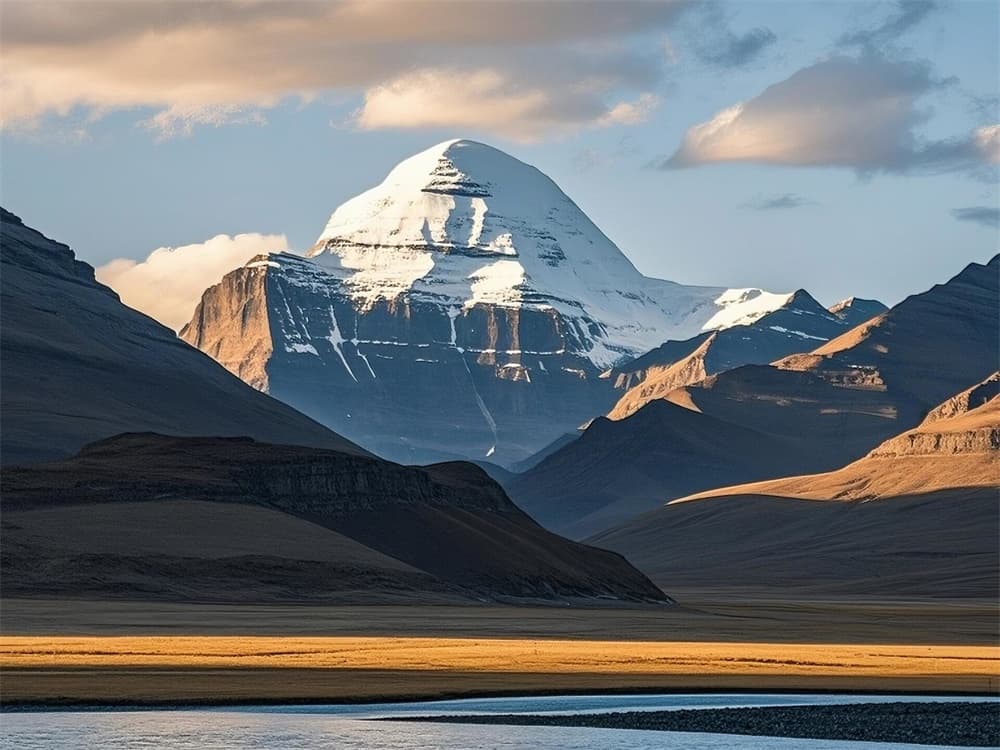
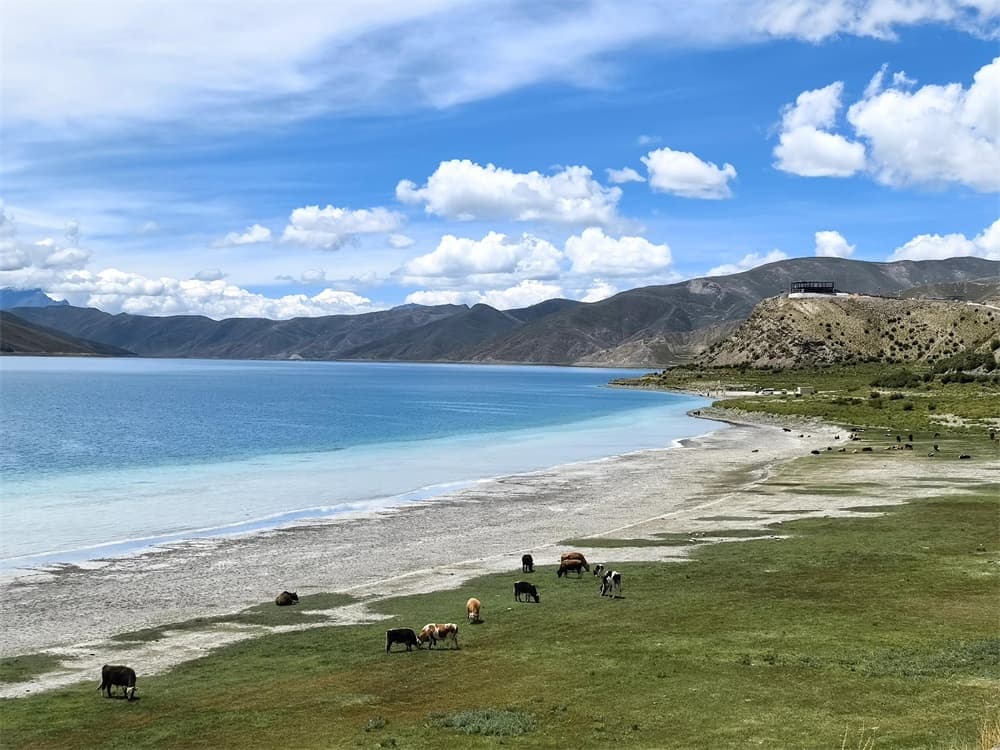
Kang Rinpoche (Mount Kailash, 6,656 m), revered as the “King of Holy Mountains”, is sacred to Tibetan Buddhism, Bon, Hinduism, and Jainism. Its 52 km kora (circumambulation) takes 1–3 days, reaching 5,630 m at the Drolma La Pass. Along the route, pilgrims pass prayer-flag-draped cairns, sky burial sites, and sacred monasteries, believing that a full circuit cleanses a lifetime of sins. The Ngari South Line is one of Tibet’s most spectacular overland journeys, spanning 1,200 km from Yamdrok Lake to Lake Manasarovar. Highlights include Everest Base Camp, Shishapangma, Lake Pekucuo, Mount Kailash, Zanda Clay Forest, and the ruins of the Guge Kingdom. Combining sacred peaks, turquoise plateau lakes, and vast highland deserts, this route offers an unparalleled blend of spiritual depth and dramatic scenery. Best travelled from May to October, it requires a border pass and is ideal for seasoned explorers.
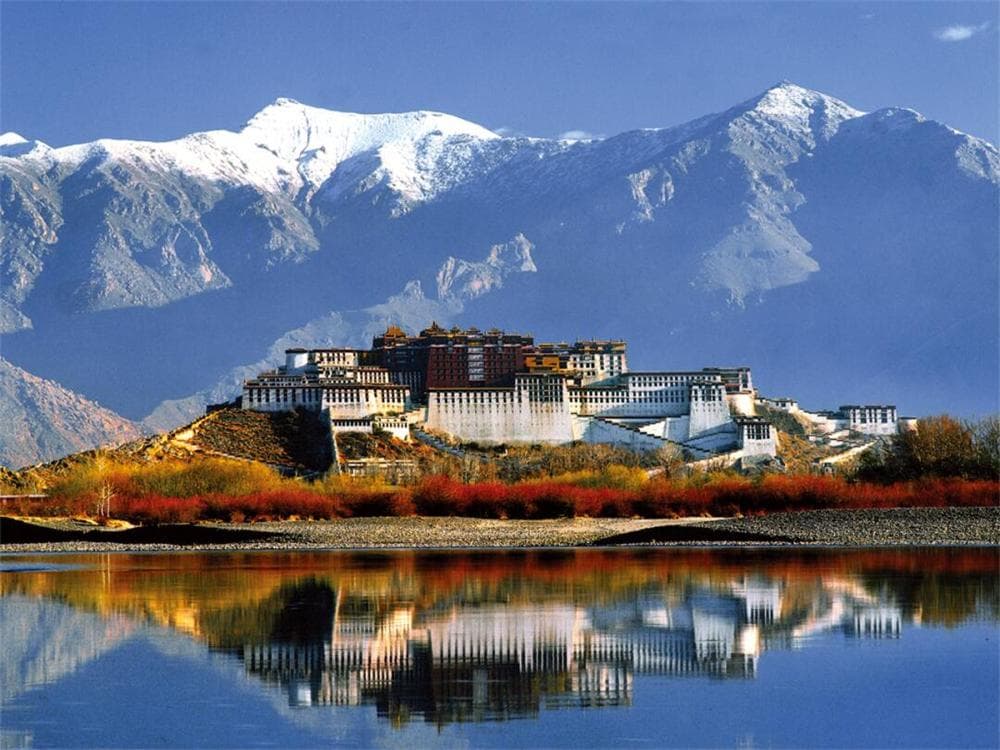
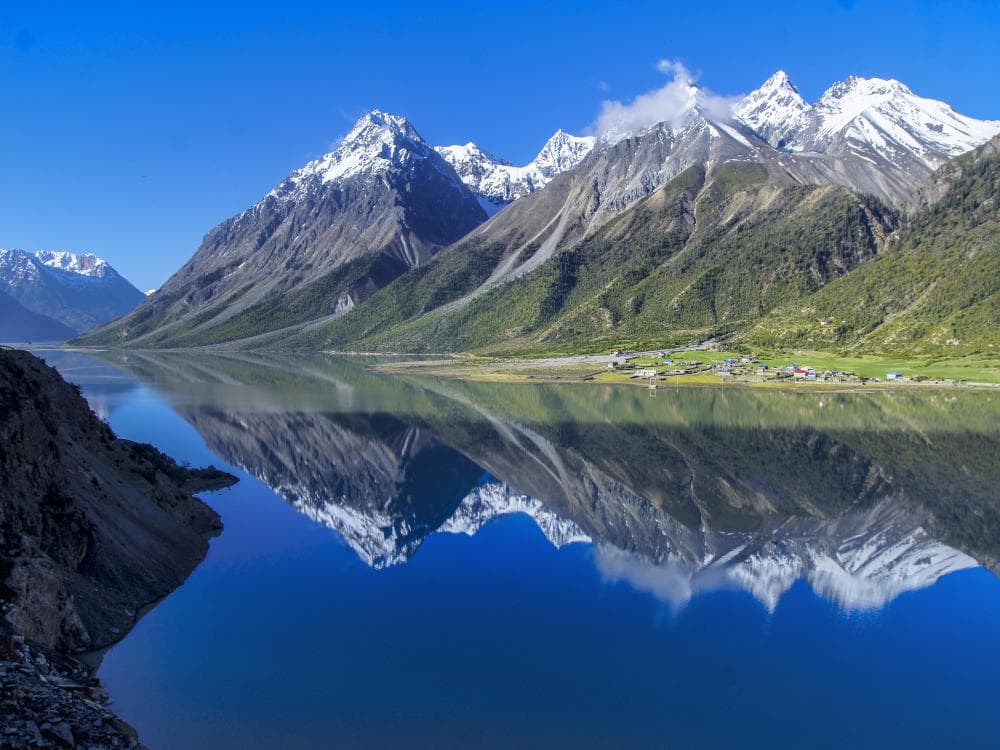
After acclimatisation in Lhasa, travel across the plateau to Saga and Darchen, then complete the demanding high-altitude kora around Mount Kailash before returning via Lake Manasarovar.
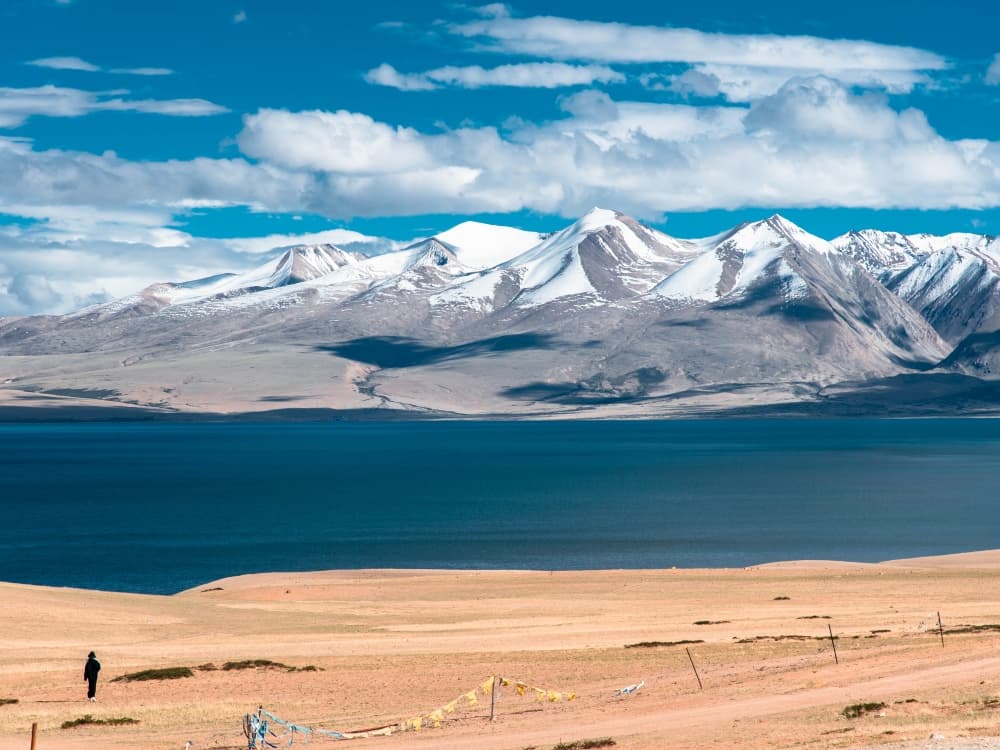
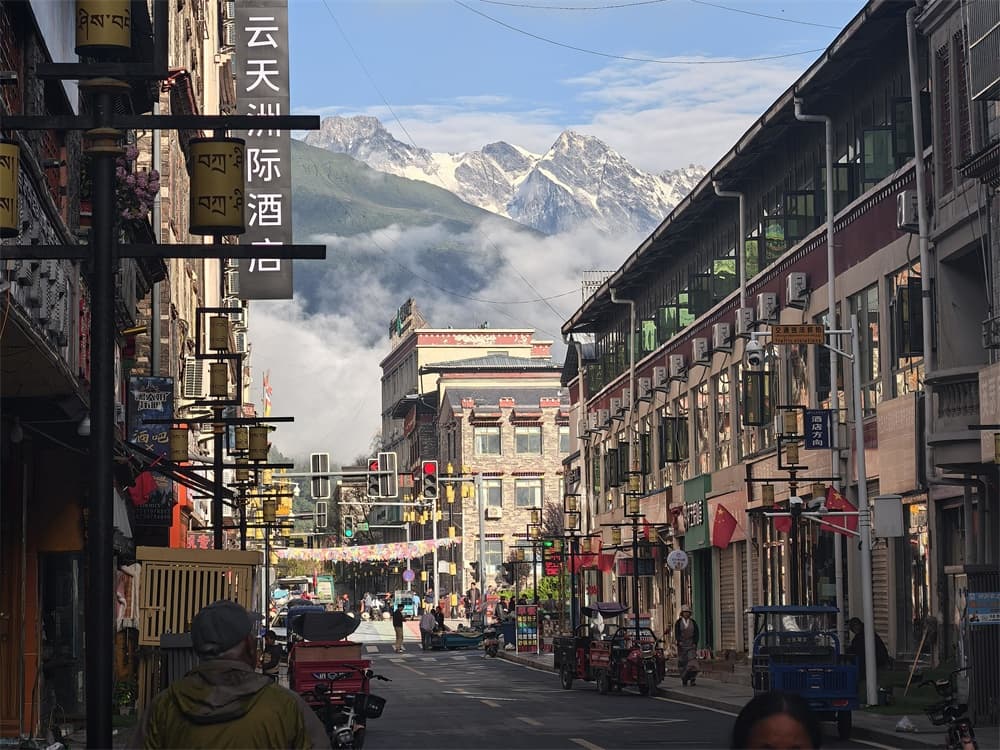
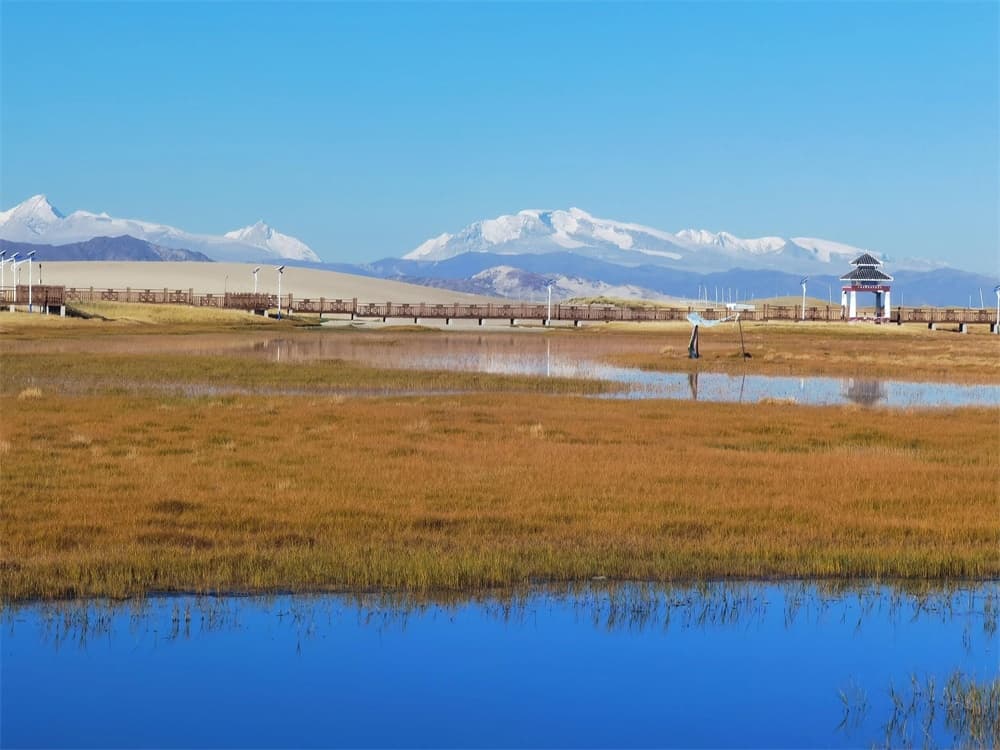
The route is physically demanding and remote, with long overland transfers and a high pass that require careful acclimatisation, suitable fitness, and confirmed local access.
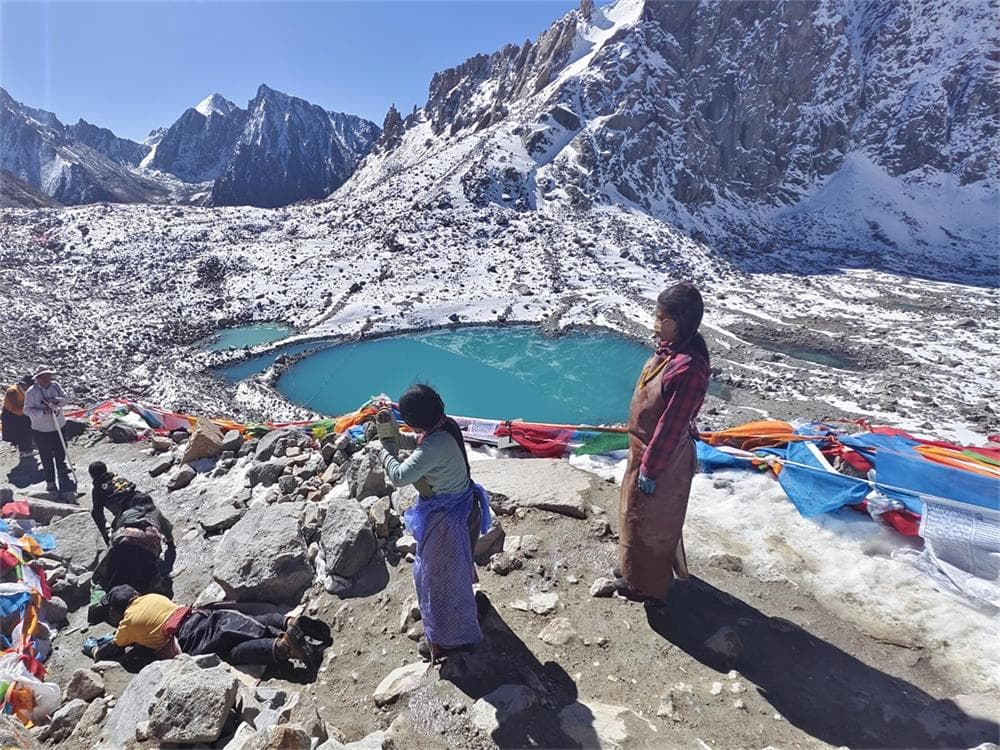
The demanding kora between Darchen and Dirapuk crosses Drolma La at 5,630 metres before the road returns east through Lake Manasarovar and the broad landscapes of the Tibetan Plateau.
Itinerary
Day-by-day itinerary
Day 1: Arrival at the Roof of the World: Lhasa
Arrive at Lhasa Gonggar Airport or railway station and transfer privately into Lhasa. Check in at the hotel and keep the first part of the day quiet while adjusting to the city's elevation of approximately 3,650 metres.
A detailed equipment and route briefing follows later, covering the long overland transfers, clothing and headlamp requirements, high-altitude precautions, and the walking plan for the Mount Kailash kora before the journey west begins.
Day 2: Across the Plateau to Saga: Saga
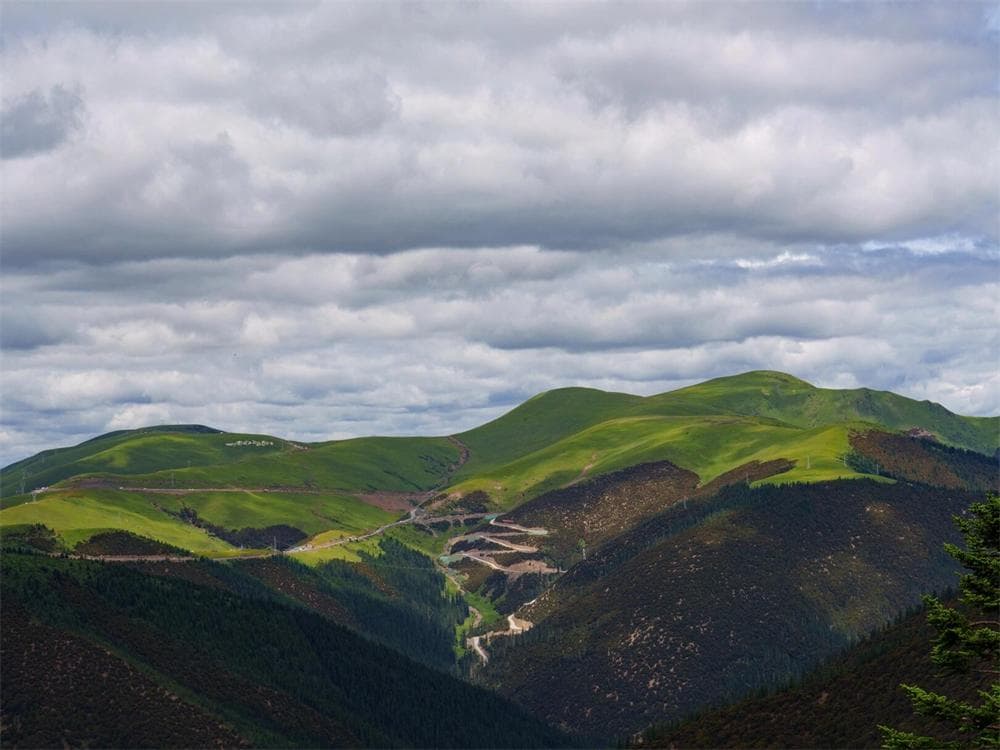
Leave Lhasa early and travel west across the Tibetan Plateau, climbing through Gampala Pass and following long stretches of mountain and river scenery toward Saga. The route focuses on steady progress through a remote landscape with carefully timed rest stops.
Arrive in Saga County in the evening and check in at the hotel. The drive covers approximately 700 kilometres, making this a long travel day before the approach to Mount Kailash begins.
Day 3: Sacred Lakes and Arrival in Darchen: Saga – Payang Wetland – Gongzhu tso – Darchen
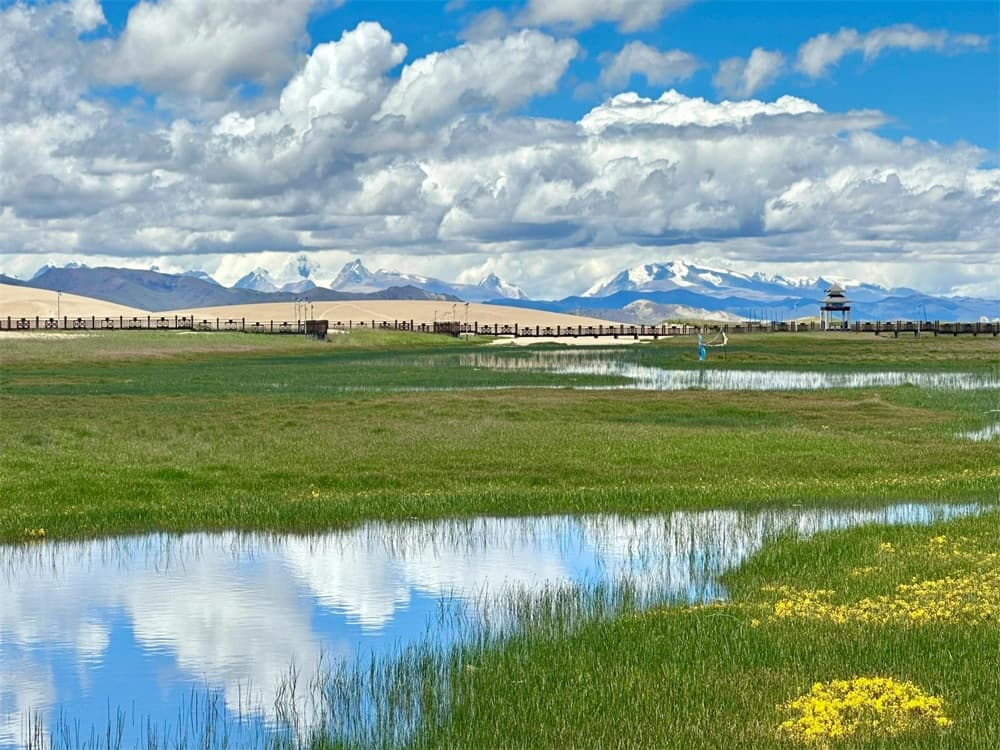
Drive from Saga toward Mount Kailash through the broad Paryang Wetlands and past the calm waters of Lake Gongzhutse. On clear sections of the road, distant Himalayan peaks rise above the plateau while the route continues west.
Reach Darchen by evening and settle in at the starting point of the Mount Kailash kora. Use the remaining time to prepare clothing, water, and the daypack for the first trekking stage.
The overland journey covers approximately 500 kilometres, with rest and viewpoint stops along the way.
Day 4: Darchen to Dirapuk Monastery
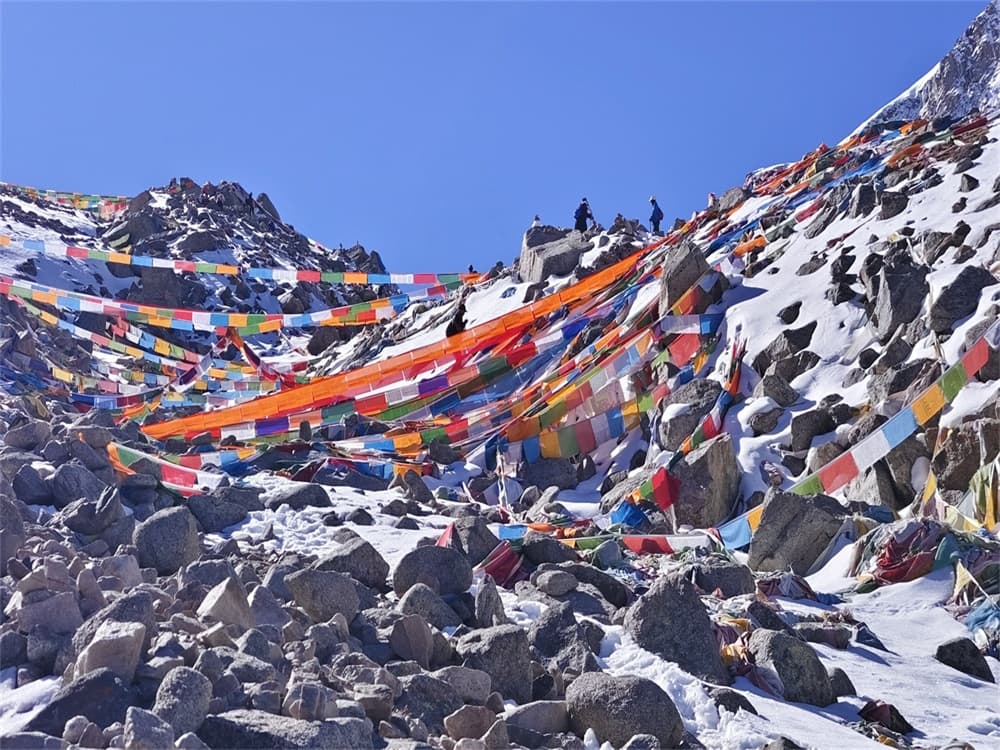
After an early breakfast, set out promptly to begin the sacred kora trek. A gradual hike of about 3 hours leads to Tarboche Flag Square, where the great Mani stone cairn is draped with colourful prayer flags. Each year, on the 15th day of the 4th Tibetan month, the prayer flag pole is ceremonially replaced in a grand ritual. From here, the first magnificent views of Mount Kailash come into sight.
The trail then descends gently, turning north into the Lha Chu Valley along the river’s east bank. By late afternoon, arrive at Dirapuk Monastery (4,950m), where local nomads host pilgrims in their tented lodges. Facing directly towards the north face of Mount Kailash, Dirapuk offers the rare privilege of lying in bed with the sacred peak in full view.
Tonight’s accommodation is at high altitude. Some travellers may experience mild symptoms of altitude sickness, such as headache or difficulty sleeping. Drink plenty of water, walk slowly, and allow your body to adapt.
Trekking Distance: 22 km
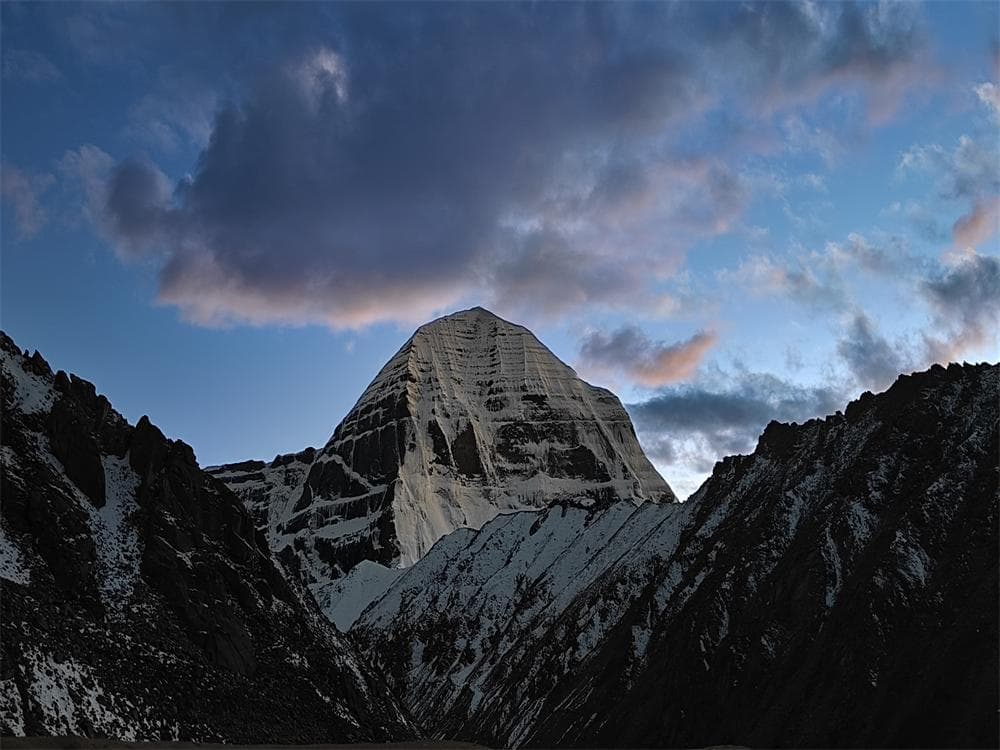
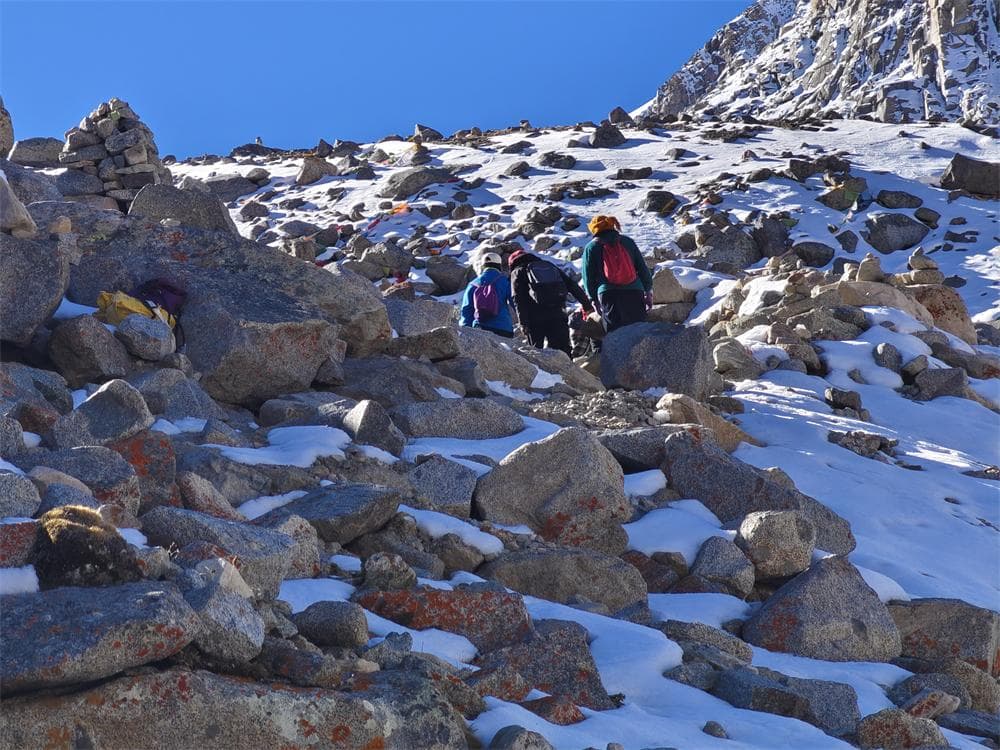
Day 5: Cross Drolma La Pass & Return to Darchen
Set out before dawn from Dirapuk with headlamps and climb past the traditional sky-burial area toward Drolma La. The trail gains altitude quickly over rough ground, reaching the kora's highest point at approximately 5,630 metres among prayer flags and sacred stones.
After a short rest at the pass, descend carefully on the steep rocky path into the valley and continue beside the gorge. The route passes small religious sites and highland scenery before the final approach back to Darchen.
This is the most demanding stage of the journey and requires a full day at high altitude. Maintain a slow, steady rhythm across the pass and on the long descent, with regular rest stops before completing the return to Darchen.
Day 6: Lake Manasarovar & Return to Saga
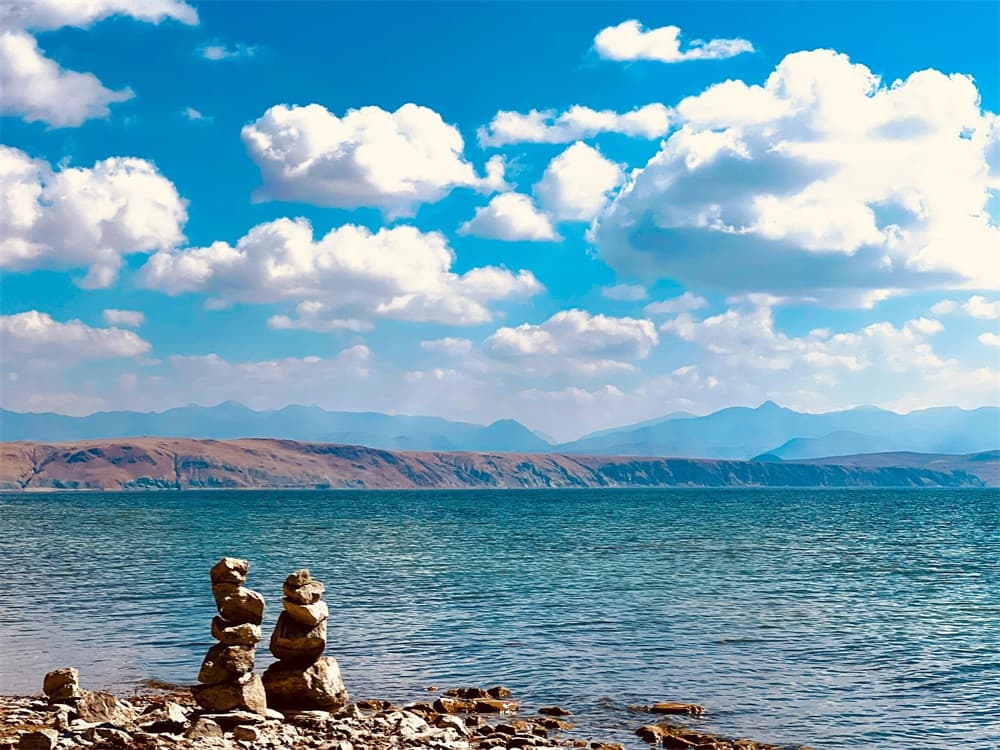
Today, with the joy and fulfilment of completing the sacred kora, you retrace the route taken on Day 3. Along the way, you bid farewell to the holy landscapes of Mt. Kailash and Lake Manasarovar, revisiting the majestic scenery that has accompanied your spiritual and physical journey. By evening, you return to Saga, closing this chapter of sacred pilgrimage and adventure.
The return to Saga covers approximately 500 kilometres across the plateau. This is a long overland stage, with rest stops paced around road and weather conditions before the evening arrival.
Day 7: The Long Road Home: Saga – Lhasa
Today will be a long travel day as you drive approximately 700 km back to Lhasa. The journey follows the iconic G219 and G318 National Highways, with scenery unfolding along the way. While the focus is on making steady progress, there will be moments to look back at the extraordinary landscapes you leave behind—carrying memories and reflections from this sacred journey.
The drive covers approximately 700 kilometres along the G219 and G318 highways. This day is devoted to the return journey rather than additional sightseeing, with breaks paced around the long road to Lhasa.
Scenic Highlights
Scenic highlights
Lhasa
Tibet
Gampala
Saga County
Payang Wetland
Lake Gongzhutse
Kailash
Mani stones
Mount Kailash
Drolma La Pass
Lake Manasarovar
Payang
G219
G318
Vehicle Reference
Vehicle reference
The vehicles below are common references. Final arrangements depend on guest count, luggage, road conditions, and local fleet availability.

5-seat
Comfort

7-seat
Business

12-15 seat
Comfort

12-15 seat
Luxury
Capacity notes
- 1. Passenger and luggage figures are comfort references. The final vehicle type is confirmed by our team before departure.
- 2. Please tell us in advance if you need a child seat, booster seat, or similar equipment. Any additional fees are confirmed before booking.
- 3. Reducing one passenger usually creates room for one additional piece of luggage, subject to the actual trunk or cargo space.
Details
Details
Important notes
Price on request. Send your preferred travel dates, room arrangement, and travel-party details for a quotation.
Travel dates are arranged on request for your preferred schedule.
The sightseeing order may be adjusted for confirmed tickets, weather, traffic, attraction access, or local operating conditions while retaining the route’s main experiences.
Guide language, hotel standard, room arrangement, and transport details are confirmed before booking.
This is a remote, high-altitude route with a demanding pass crossing; fitness, acclimatisation, support arrangements, and the Drolma La walking plan are reviewed before booking.
Tibet permits, border-region access, road conditions, and Mount Kailash kora access must be confirmed under current local regulations before travel.
Why Travel With Us
Why us
Stay China plans complete journeys across China with clear routing between each destination.
A detailed day-by-day itinerary shows the pace, key experiences, and transport before you enquire.
Guide language, accommodation level, vehicle choice, and included activities are confirmed before booking.
Local culture, major landmarks, and time to experience each place are balanced within one coherent route.