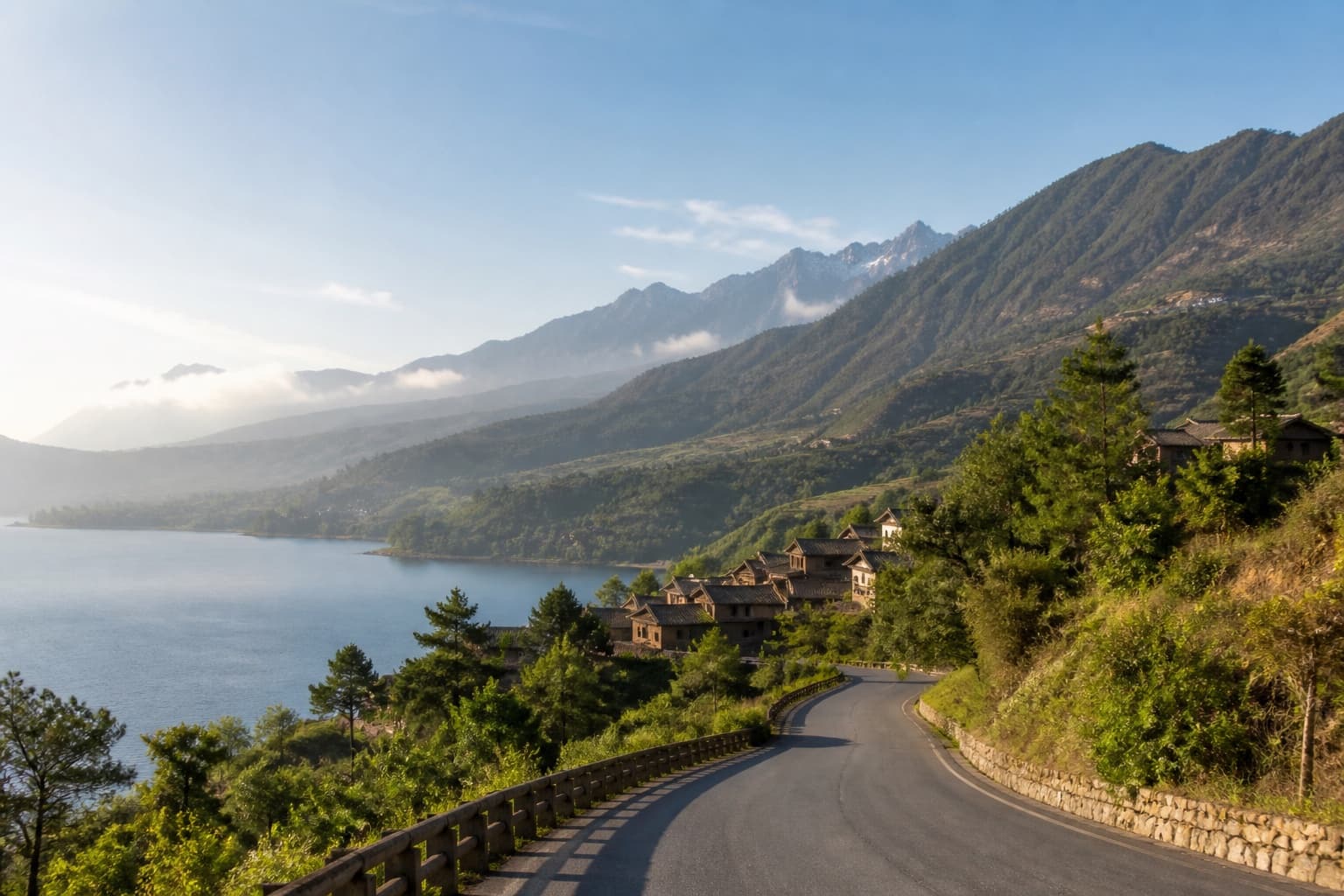
Yunnan is a province, not a single destination
Kunming, Dali, Lijiang, Shangri-La, Xishuangbanna, Yuanyang, Tengchong, and the Nujiang valley sit in very different landscapes. The province rises from tropical borderlands to high mountain country, so climate, culture, transport, and physical demands change quickly.
The most common first-trip mistake is collecting famous names without checking the journey between them. Combining the tropical south, the Tibetan northwest, and the eastern rice terraces in one short holiday can create more airports, stations, and road transfers than meaningful travel. Start with one geographic story.
Match the route to the number of days
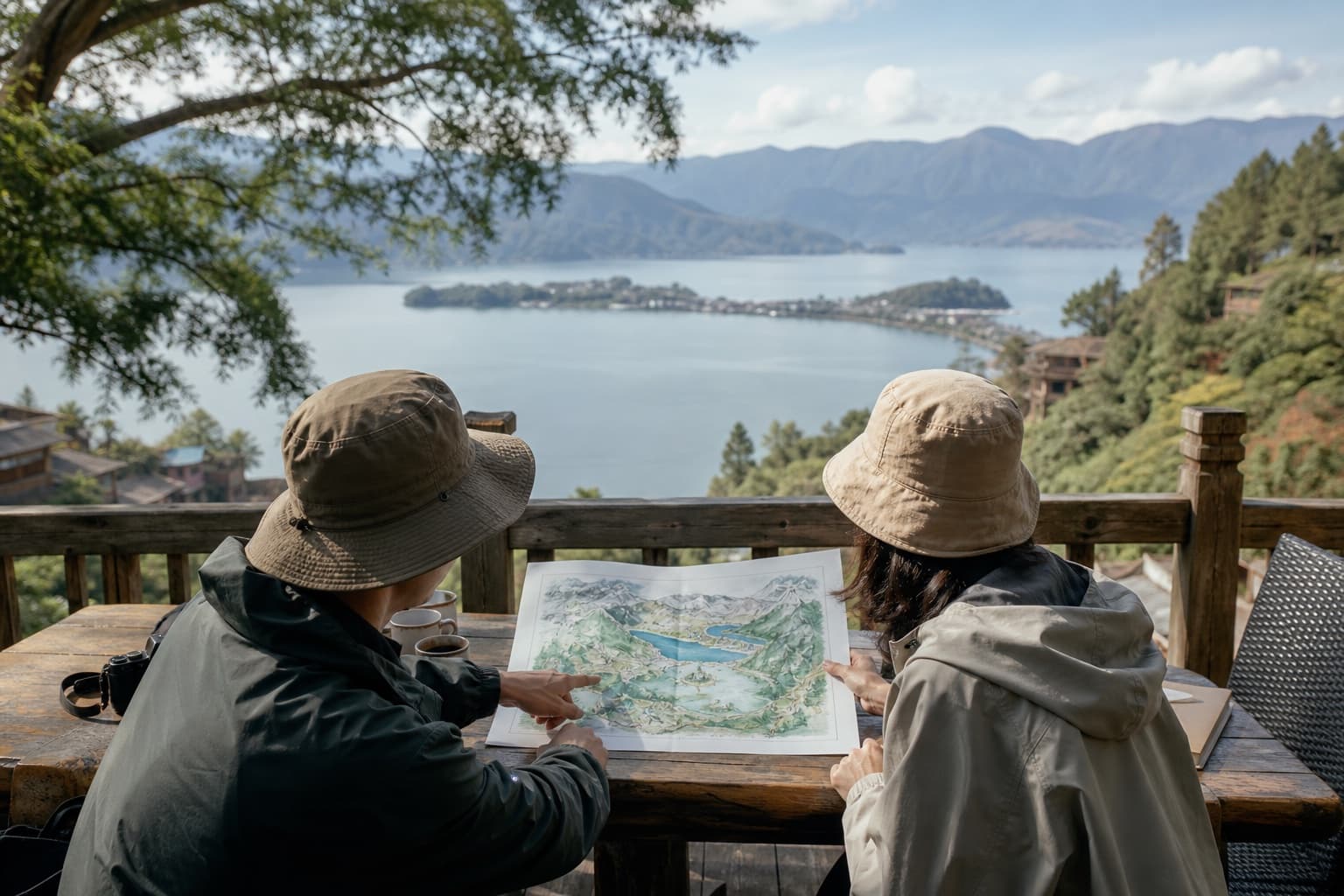
Six to eight days usually suits one corridor, such as Kunming–Dali–Lijiang, Kunming–Xishuangbanna, or Kunming–Jianshui–Yuanyang.
Nine to twelve days can support the classic northwest route through Shangri-La, or a slower southern heritage route with villages and terraces.
With thirteen days or more, a second region can work when the connection is logical. A domestic flight may be more comfortable than sacrificing two days to cross the province by road. Arrival and departure days still count as travel days, not full sightseeing days.
Four useful first-trip corridors
Classic northwest: Kunming, Dali, Lijiang, and Shangri-La for old towns, mountain scenery, and a clear rail-and-road sequence
Tropical south: Kunming and Xishuangbanna for rainforest, Dai culture, tea landscapes, markets, and warm winter travel
Southern heritage: Kunming, Jianshui, and Yuanyang for architecture, village life, food, and Hani rice terraces
Western Yunnan: Baoshan and Tengchong for volcanic landscapes, hot springs, history, coffee country, and a quieter pace
Choose the trip’s main promise
A route becomes easier to edit when you can finish the sentence: ‘This trip is mainly about…’ It might be food and markets, mountain landscapes, tea and coffee, village culture, photography, hiking, or comfortable family discovery. The secondary interests can support that promise without competing with it.
Travelers who prefer early starts, long walks, simple rural rooms, and uncertain weather can include remote hikes. Travelers who value comfort, private bathrooms, short walking distances, or reliable meal timing need a different route even if the destination list looks similar. State the pace and non-negotiables before choosing hotels.
Put altitude in the right order
On the northwest route, ascending through Kunming, Dali, and Lijiang before Shangri-La is usually gentler than flying directly from sea level to the highest stop. Keep the first high-altitude day light and avoid designing a difficult hike as the arrival activity.
Altitude response is individual and fitness does not guarantee protection. Anyone with relevant heart, lung, blood, sleep, pregnancy, or other medical considerations should discuss the route with a clinician familiar with altitude. If symptoms worsen at rest, the plan must be flexible enough to stop ascending or descend.
Think door to door, not station to station
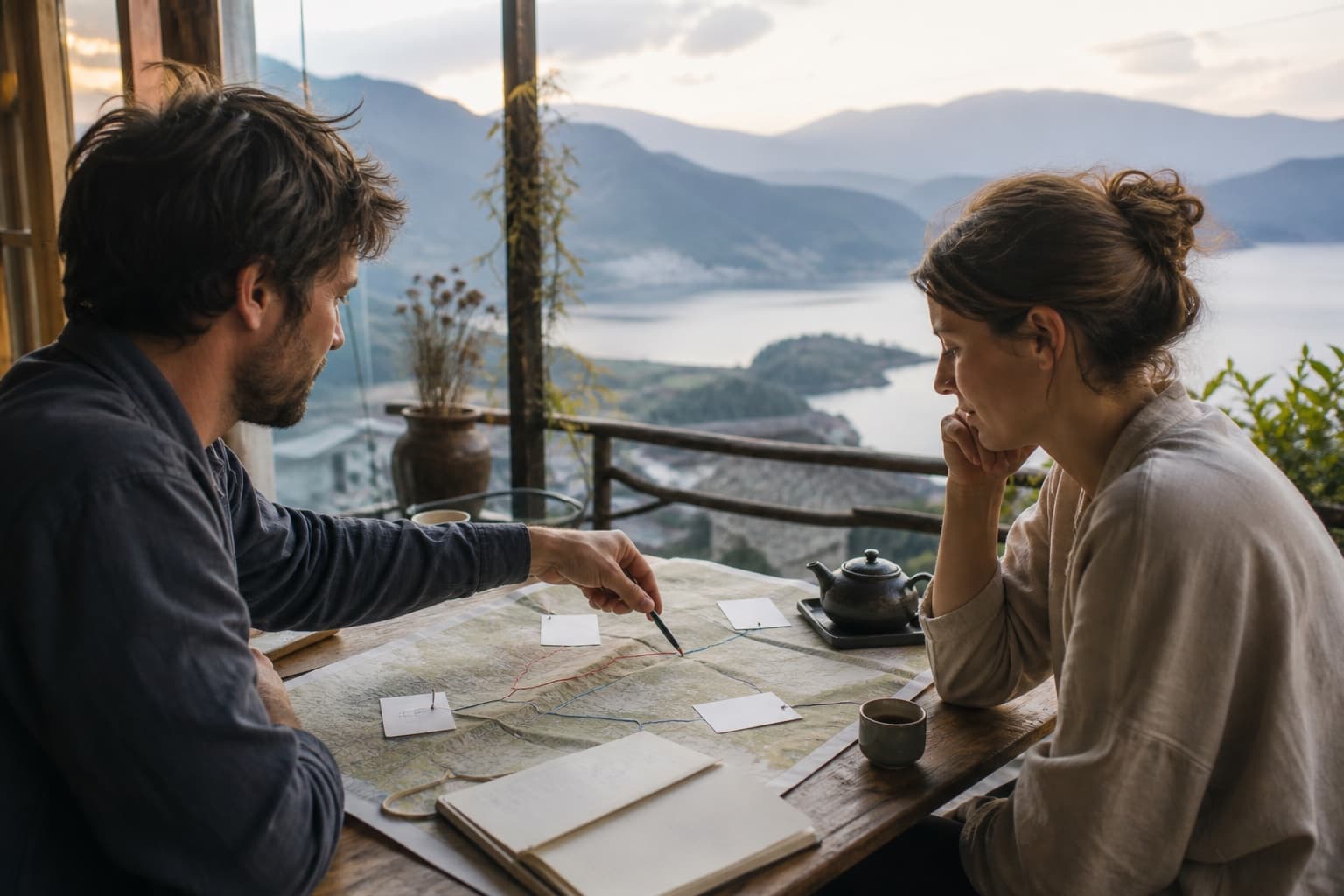
A train journey also includes hotel checkout, transfer to the station, security and identity checks, arrival, luggage collection, and the final drive. Mountain road days can change with weather, construction, traffic, and scenic-area controls.
When two places appear close on a map, check terrain and the actual road. Avoid placing a remote road transfer immediately before an international flight or another booking that cannot be changed.
For long itineraries, alternate transfer days with stable base days. This gives weather and energy somewhere to move without breaking the whole trip.
Use two- or three-night bases where they add value
Single-night stops multiply packing, check-ins, and time spent waiting for rooms. Two or three nights in Dali, Lijiang, Shangri-La, Jinghong, Tengchong, or another useful base can support one town or neighborhood day and one landscape or village day.
Not every transit city needs several nights. Kunming can be a practical arrival buffer, a food and market stop, or a destination in its own right; decide which role it plays. In rural areas, a longer stay may improve the experience because weather, farming activity, and local encounters do not follow a fixed sightseeing timetable.
A sensible booking order
Confirm passport and entry eligibility before making non-refundable bookings
Fix international arrival and departure cities, then choose the geographic corridor
Check altitude order and realistic transfer time
Reserve critical transport and limited-capacity experiences before minor activities
Choose accommodation for location, access, registration, and comfort—not only the room photograph
Add flexible meals, markets, and neighborhood time around the fixed elements
Recheck weather, road conditions, opening arrangements, and reservations shortly before travel
Build the budget around the expensive decisions
The largest differences usually come from private transport, domestic flights, room standard, single supplements, specialist guides, remote-area logistics, and the number of one-night stops. Meal cost matters, but it is rarely the only driver of the total.
Ask what is included: airport and station transfers, scenic-area shuttle vehicles, entrance tickets, guide meals, luggage handling, breakfast, and cancellation terms. A lower headline price can become poor value if every transfer is separate or if the hotel location creates repeated taxi journeys. Keep an emergency reserve that is accessible through more than one payment method.
Pack for the highest, wettest, and least urban stop
A single Yunnan route can move through strong sun, cool evenings, rain, dust, and heated indoor spaces. Layers, a light waterproof shell, sun protection, comfortable walking shoes, and a small day bag are more useful than one heavy outfit. Remote stays may require a headlamp, power bank, basic first-aid items, and enough personal medication for delays.
Keep the passport, phone, payment backup, essential medicine, and one change of clothes in hand luggage. Large rigid suitcases are inconvenient on stairs, stone lanes, village paths, and small vehicles; confirm luggage access when selecting old-town or rural accommodation.
Final route test
Can you describe the trip’s main theme in one sentence?
Does every stop justify the transfer needed to reach it?
Are there at least a few mornings with no checkout?
Is altitude gained gradually where possible?
Does the route contain weather and delay buffer?
Will the accommodation and walking level suit every traveler?
Are the final two days protected from a fragile mountain-road connection?