
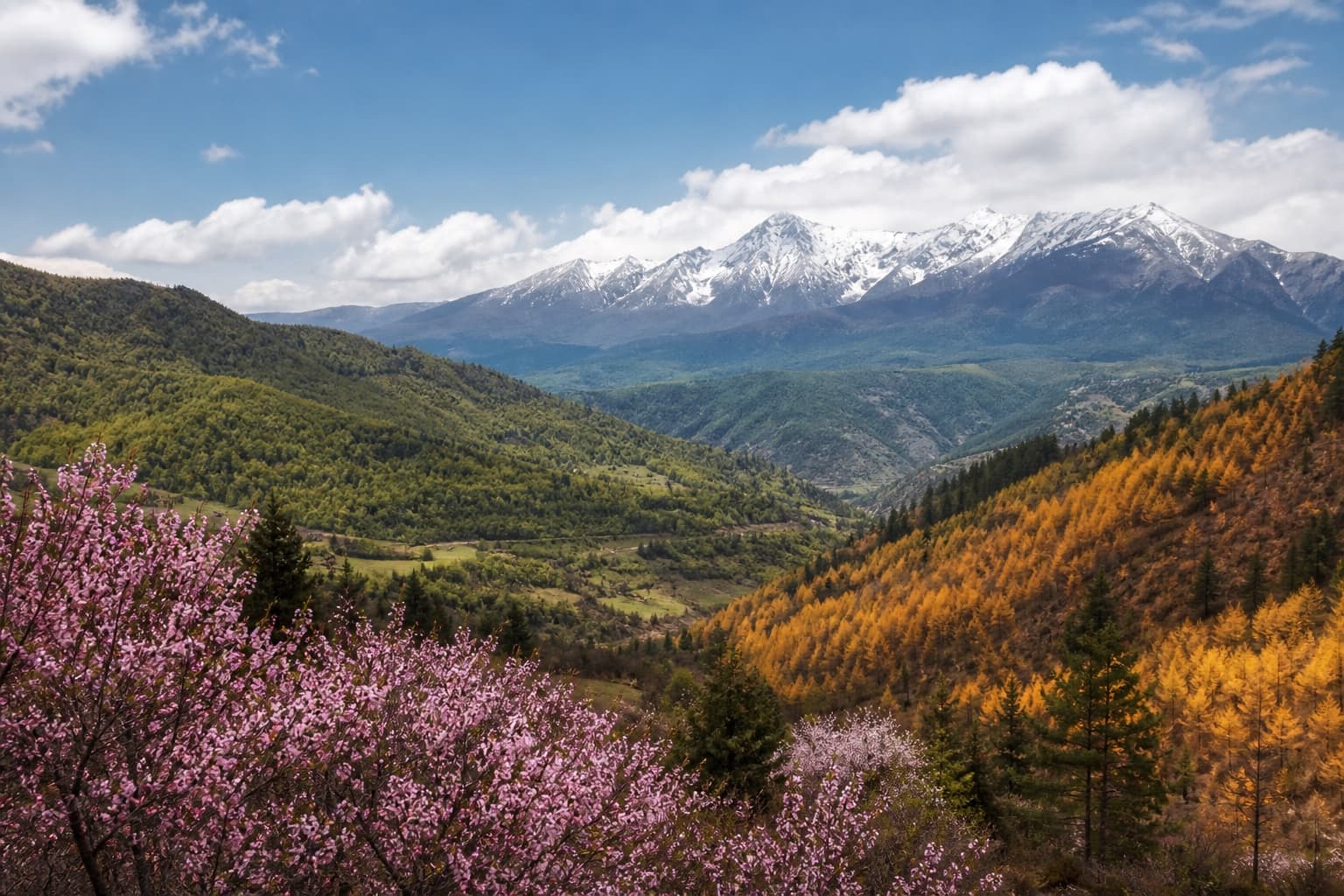
There is no single best month for all of China
China spans tropical coasts, humid river valleys, temperate plains, deserts, grasslands, high plateaus, and subarctic winters. Beijing, Shanghai, Yunnan, Xinjiang, Inner Mongolia, Hainan, and Tibet can experience completely different conditions on the same date.
Choose the region and the experience first, then compare climate, elevation, crowd periods, and transport resilience. A nationwide claim such as ‘spring is best’ is too broad to plan a real journey.
The broad pattern—useful, but never the final forecast
Spring can suit major eastern and northern cities, but temperature swings, wind, rain, and shifting flower dates require flexible expectations
Summer brings heat and humidity to many lowland cities, a major rain and typhoon season in parts of the country, and better conditions for some highland and northern routes
Autumn often brings comfortable city travel and clearer periods in many regions, but harvest color and weather vary by latitude and elevation
Winter can be excellent for northern snow, museums and festivals, or warmer southern journeys, while high-altitude and remote roads may need extra caution
Plateau, desert, tropical, coastal and mountain regions should always be checked separately from the nearest major city
Spring: compare latitude, elevation and rain
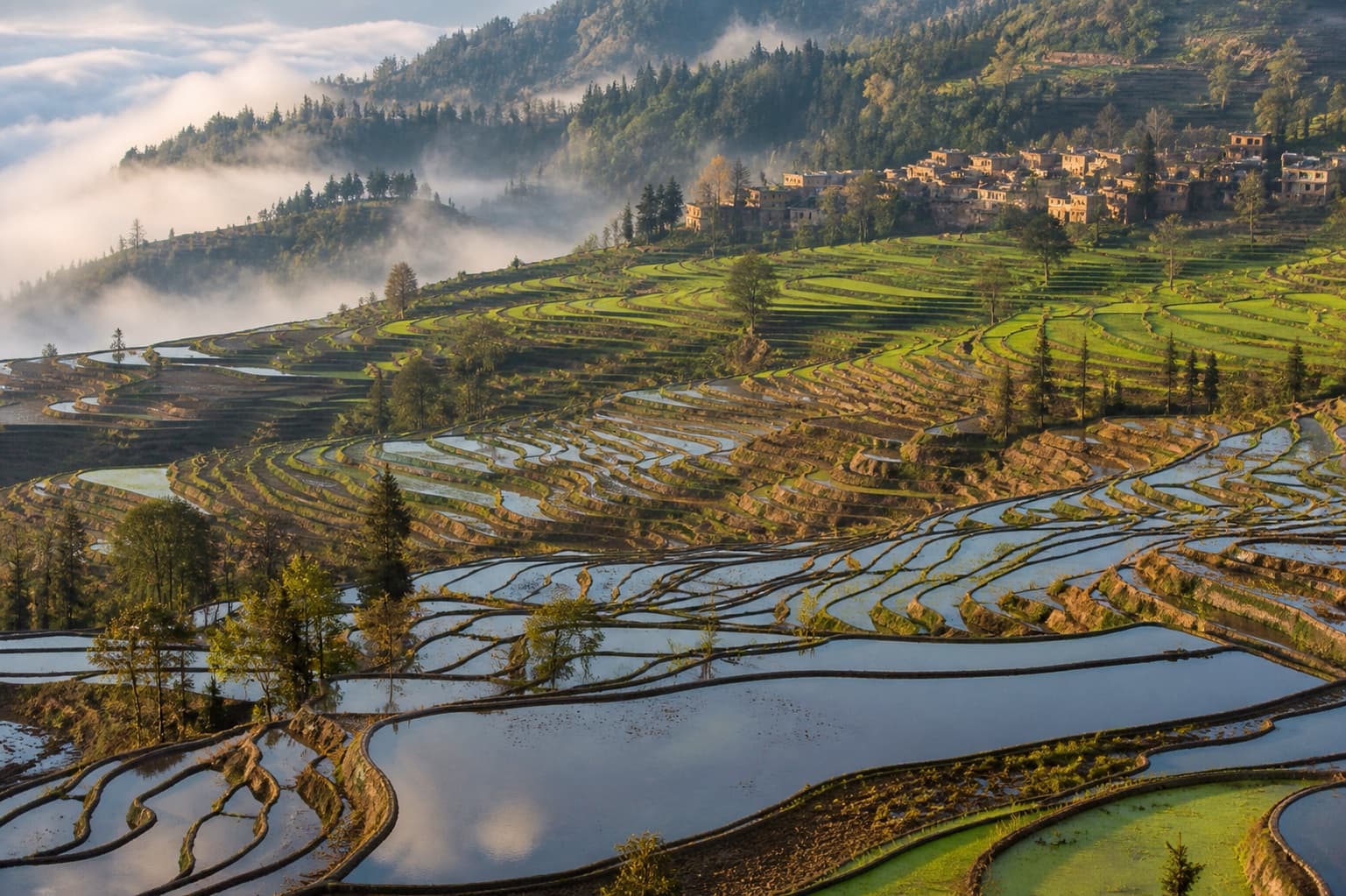
Spring may bring comfortable walking weather to parts of eastern and central China while northern cities still experience cold snaps and wind. Southern and southwestern routes can be warmer, wetter, or already humid. Flowering dates move with each year’s weather and should be treated as a live event, not a guarantee.
A multi-region route needs layers and rain protection. Check the exact destination forecast rather than packing for ‘China in April’ as if it were one climate.
Summer: heat, rain and highland alternatives
Many eastern, central and southern cities can be hot and humid. Parts of southern and coastal China face heavy rain or tropical-cyclone disruption, while mountain areas can face landslides, rockfall and sudden route closures. Do not continue into an area covered by an official warning because a hotel is prepaid.
Summer can also be rewarding in northern grasslands and selected highland regions, where evenings may still be cool. Altitude, intense sun, thunderstorms and rapid weather changes remain separate risks.
Autumn: strong conditions in many regions, not a universal promise
Autumn often suits city walking, heritage routes, food travel, and landscapes across parts of northern, eastern and western China. Air, rainfall and color timing still vary by year. High-elevation areas can become cold quickly and may receive early snow.
The first week of October is a major domestic travel period, so transport and popular attractions can be much busier. Confirm the current public-holiday calendar and reservation rules instead of assuming a quiet shoulder season.
Winter: choose between snow, cities and a warmer south
Northern and northeastern China can offer snow landscapes and winter culture, but daylight, cold exposure and seasonal operations matter. Major museums and city sites can still work well with the right clothing and opening-day checks.
Southern destinations such as parts of Yunnan, Guangxi, Guangdong, Fujian and Hainan may provide milder conditions, though rain, humidity and cold indoor spaces can still occur. Spring Festival dates change each year and can affect transport, business hours, and crowd levels across the country.
Pack for the route’s widest temperature range

Use layers that can move between heated transport, outdoor wind, rain, strong sun, and cool evenings. Carry a light waterproof layer, sun protection, comfortable shoes, and any specialist cold- or altitude gear required by the highest or most remote stop.
For a multi-region itinerary, check each destination independently and update the packing list shortly before departure. A national monthly average is not a substitute for a route forecast.
Match timing to the experience
Cities and museums: check weekly closure days, timed-entry rules, and major public holidays
Hiking and mountains: check trail access, snow, rain, lightning, fire restrictions, and daylight
Desert and Silk Road routes: compare daytime heat, cold nights, wind, and long road distances
High-altitude travel: prioritize acclimatization, seasonal road access, and medical suitability
Beaches and tropical routes: check heat, rainfall, sea conditions, and tropical-cyclone forecasts
Flowers, foliage, harvests and wildlife: follow current local reports because timing shifts each year
Crowds are a calendar issue as much as a weather issue
National public holidays, school breaks, major festivals, exhibitions, and local events can change prices and availability. Golden Week around National Day and the Spring Festival travel period are especially important, but exact dates and operating arrangements must be checked for the travel year.
A busy date is not automatically a reason to cancel; it is a reason to book earlier, allow more transfer time, and choose neighborhoods and secondary experiences carefully.