
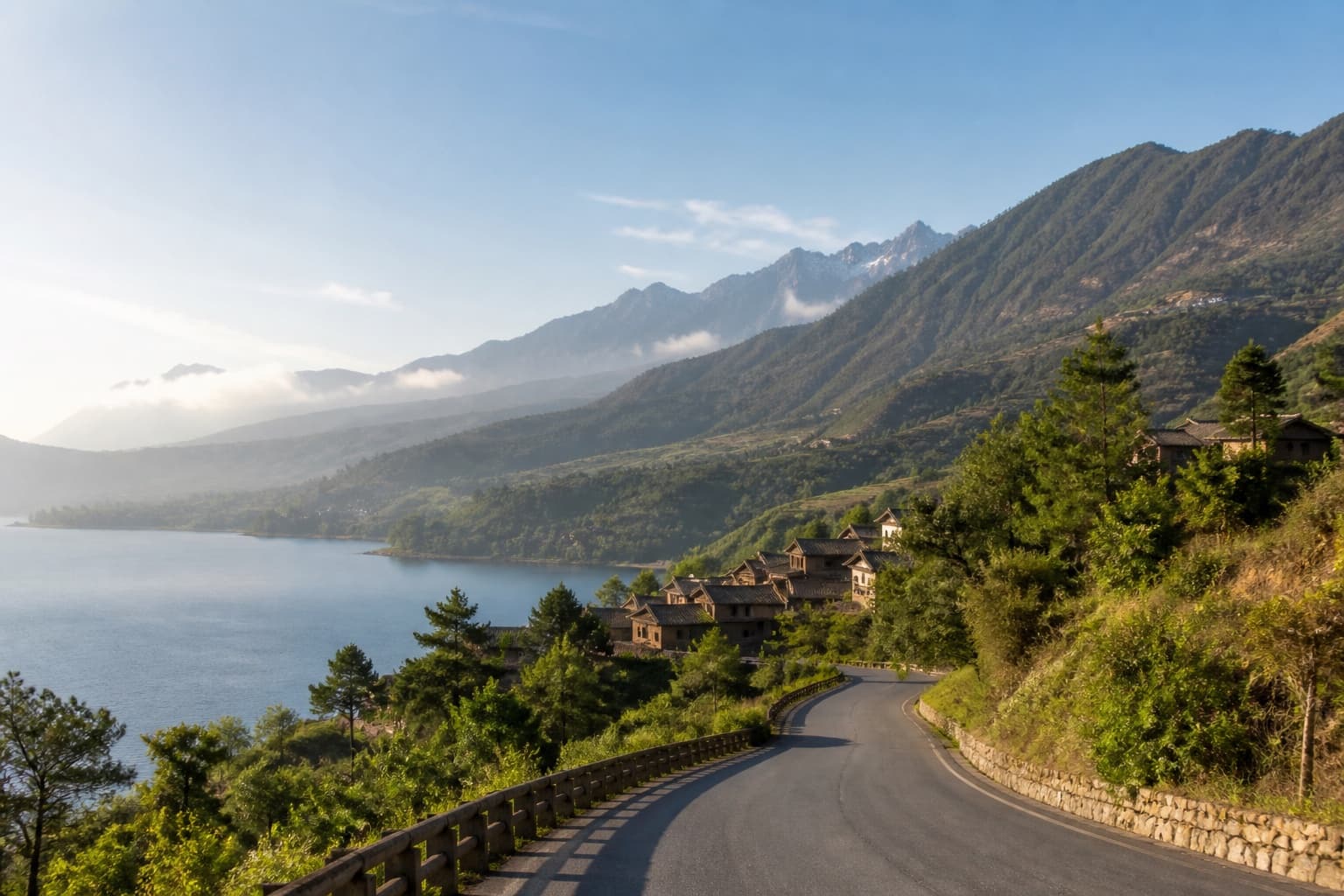
China is a country of regions, not one continuous sightseeing route
Beijing, Xi’an, Shanghai, the lower Yangtze, the southwest, the Silk Road, the Tibetan Plateau, Inner Mongolia, and the tropical south offer very different journeys. The first planning mistake is collecting famous names without checking the distance, transport, climate, and pace between them.
Start with one geographic story and add only the places that strengthen it. A route with fewer bases and better connections usually reveals more of China than a checklist joined by repeated airport and station transfers.
Match the route to the number of usable days
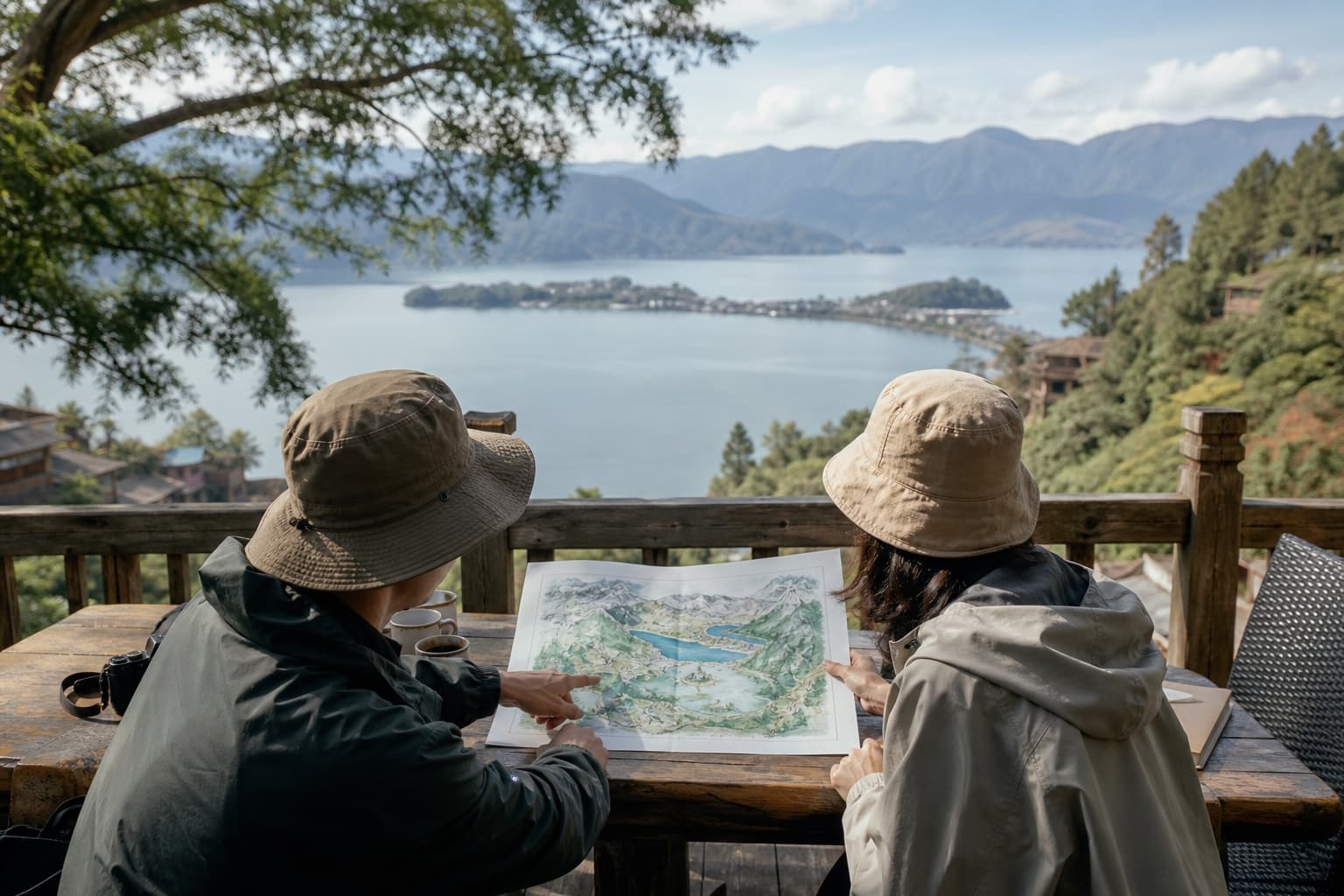
Seven to nine days usually works best for one region or one compact city sequence. Ten to fourteen days can support a classic multi-city journey such as Beijing, Xi’an, and Shanghai, or one major region with a slower extension. With two weeks or more, a second region can work when the flight or rail link is logical.
Arrival and departure days are not full sightseeing days. Count hotel checkout, the journey to the station or airport, security and identity checks, the transfer at the other end, and the time needed to settle into a new city.
Useful first-trip frameworks
Imperial and contemporary China: Beijing, Xi’an, and Shanghai for major historical sites, urban contrast, and straightforward long-distance connections
Jiangnan and the lower Yangtze: Shanghai with Hangzhou, Suzhou, Nanjing, or a carefully chosen water town
Southwest landscapes and culture: Chengdu with western Sichuan, Chongqing, Guizhou, Guangxi, or Yunnan—choose one coherent branch rather than all of them
Silk Road and northwest China: Xi’an with Gansu or Xinjiang for archaeology, desert landscapes, and longer overland distances
A slower regional journey: one province or neighboring pair explored through neighborhoods, markets, landscapes, and two- or three-night bases
Choose the trip’s main promise
A route becomes easier to edit when you can finish the sentence: ‘This trip is mainly about…’ It might be imperial history, food and neighborhoods, landscape photography, architecture, rail travel, hiking, family discovery, or a slower cultural journey. Secondary interests should support that promise rather than compete with it.
State pace, walking tolerance, room expectations, food needs, mobility requirements, and non-negotiable experiences before choosing hotels or transport. Two travelers can use the same city list and still need completely different itineraries.
Treat high-altitude regions as a separate planning question
Routes through Tibet, Qinghai, western Sichuan, northwestern Yunnan, and other high-elevation areas need a slower ascent, lighter first days, and a flexible response to symptoms. Fitness does not prevent altitude illness.
Do not add a high-altitude extension merely because it fits on a map. Check permit requirements, season, medical suitability, road access, and the elevation at which travelers will sleep. Anyone with relevant health considerations should discuss the actual route with a qualified clinician.
Think door to door, not station to station
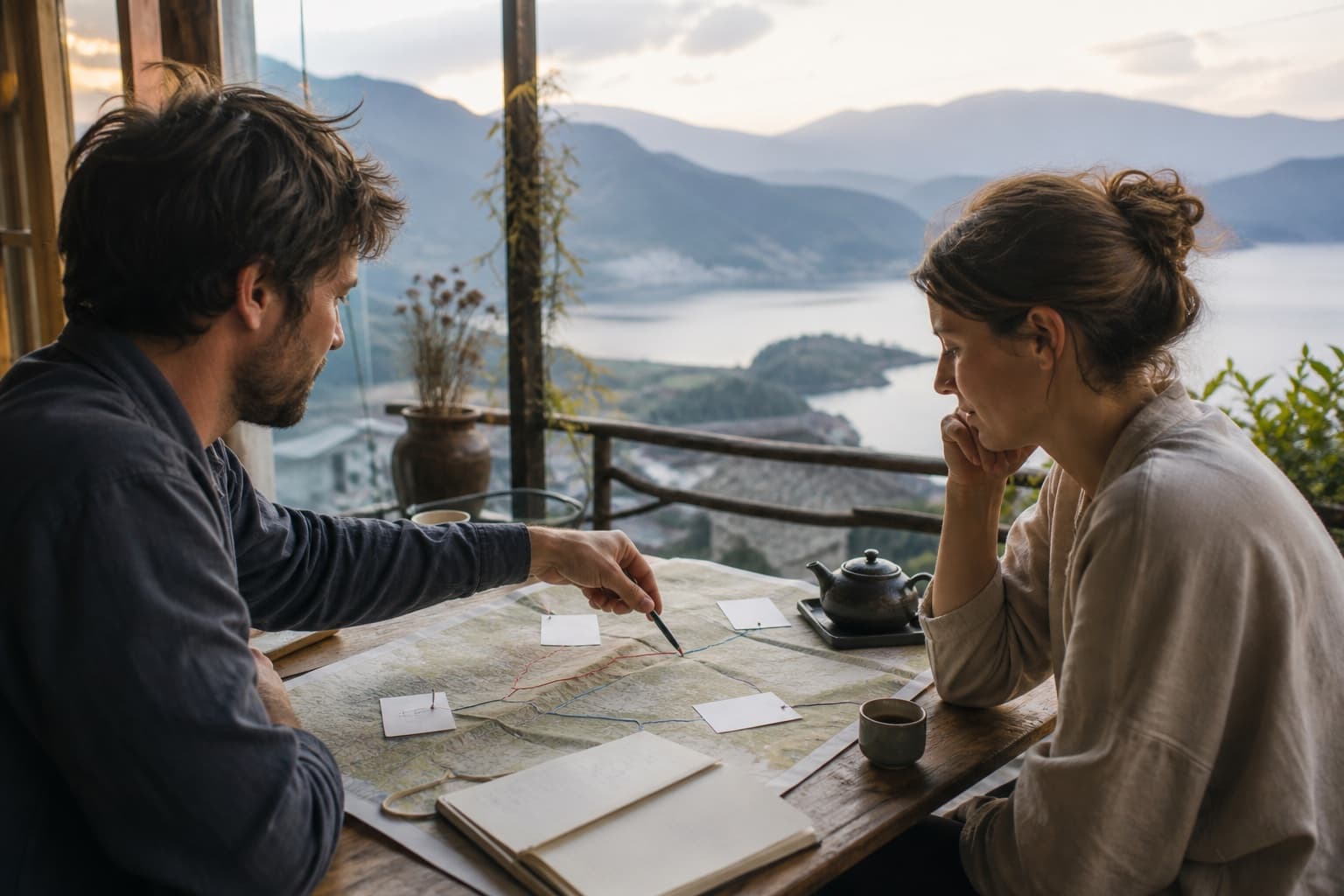
China’s high-speed rail network makes many city pairs practical, but a train time is only one part of the day. Large stations, airport transfers, security, passport checks, luggage, and the final hotel transfer all matter. Domestic flights can save time across very long distances, but they also add check-in and delay risk.
Alternate transfer days with stable base days. Protect the final international connection with a buffer, especially after a remote road journey, seasonal flight, mountain route, or weather-sensitive destination.
Use two- or three-night bases where they add value
Single-night stops multiply packing, check-ins, and time spent waiting for rooms. A well-chosen base can support one city day, one day trip, and a quieter neighborhood or food experience without another checkout.
Not every gateway needs several nights. Decide whether a city is a destination, a connection, or a recovery buffer. Historic quarters may be atmospheric but harder for vehicles and luggage; transport hubs may be less romantic but better for an early train.
A sensible booking order
Confirm passport validity and the entry framework for the exact traveler and route
Fix international arrival and departure cities, then choose one geographic story
Check realistic door-to-door transfers and any altitude or permit constraints
Reserve critical trains, flights, timed attractions, and limited-capacity experiences before minor activities
Choose accommodation for location, registration, access, and comfort—not only the room photograph
Add flexible meals, markets, and neighborhood time around fixed bookings
Recheck official entry rules, weather, closures, tickets, and transport shortly before departure
Build the budget around the expensive decisions
The biggest differences usually come from domestic flights, private transport, room standard, single supplements, specialist guides, remote-area logistics, and the number of one-night stops. A low headline hotel rate can create extra taxi costs or lost time when the location is wrong.
Ask what is included in any quoted itinerary: airport and station transfers, entrance tickets, local shuttle vehicles, guide services, breakfast, luggage handling, and cancellation terms. Keep an emergency reserve accessible through more than one payment method.
Pack for the most demanding stop, not the first city
A multi-region route can move from humid heat to dry air, rain, strong sun, cold evenings, or high elevation. Layers, a light waterproof shell, comfortable walking shoes, sun protection, and a small day bag are more useful than one heavy outfit.
Keep the passport, payment backup, essential medicine, power, and one change of clothes in hand luggage. Confirm luggage limits for domestic flights and vehicle access for old towns, rural stays, stair-only properties, and train connections.
Final route test
Can you describe the journey’s main theme in one sentence?
Does every stop justify the transfer needed to reach it?
Are there several mornings with no checkout?
Have you separated high-altitude and permit planning from ordinary city travel?
Does the route contain weather and delay buffers?
Will the walking level, rooms, food plan, and transport suit every traveler?
Are the final two days protected from a fragile connection?