
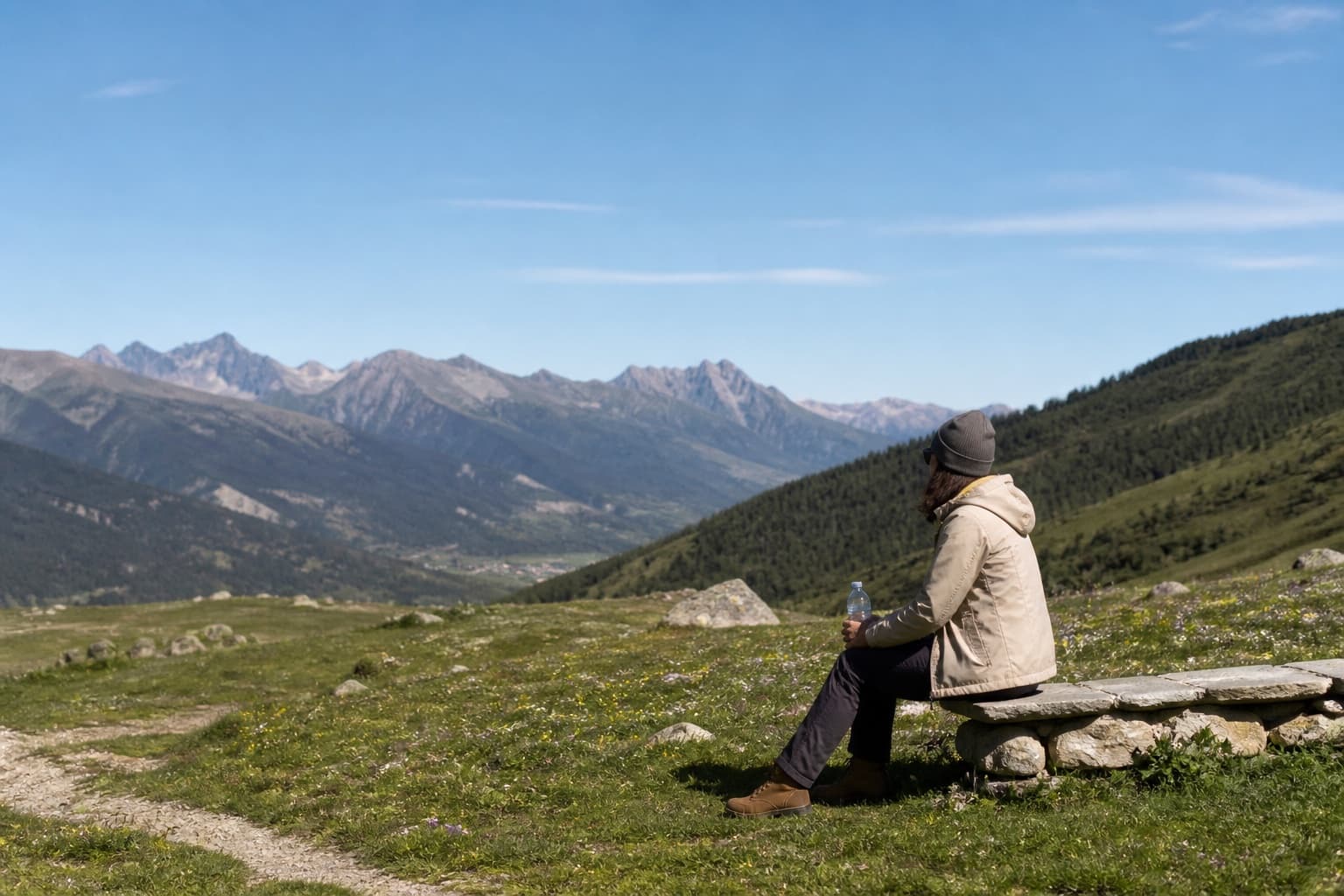
Health planning starts with the exact route
A China itinerary can combine dense cities, tropical lowlands, deserts, high plateaus, winter cold, humid summers, long road transfers, and remote hiking. The health plan should match the actual destinations, elevations, season, activities, accommodation, and access to care—not a generic country packing list.
Arrange a travel-health consultation early enough to discuss routine vaccines, destination-specific recommendations, prescription medicines, pregnancy, chronic conditions, altitude, and planned activities. This guide supports preparation but does not replace individual medical advice.
Altitude: relevant to selected regions, not all of China
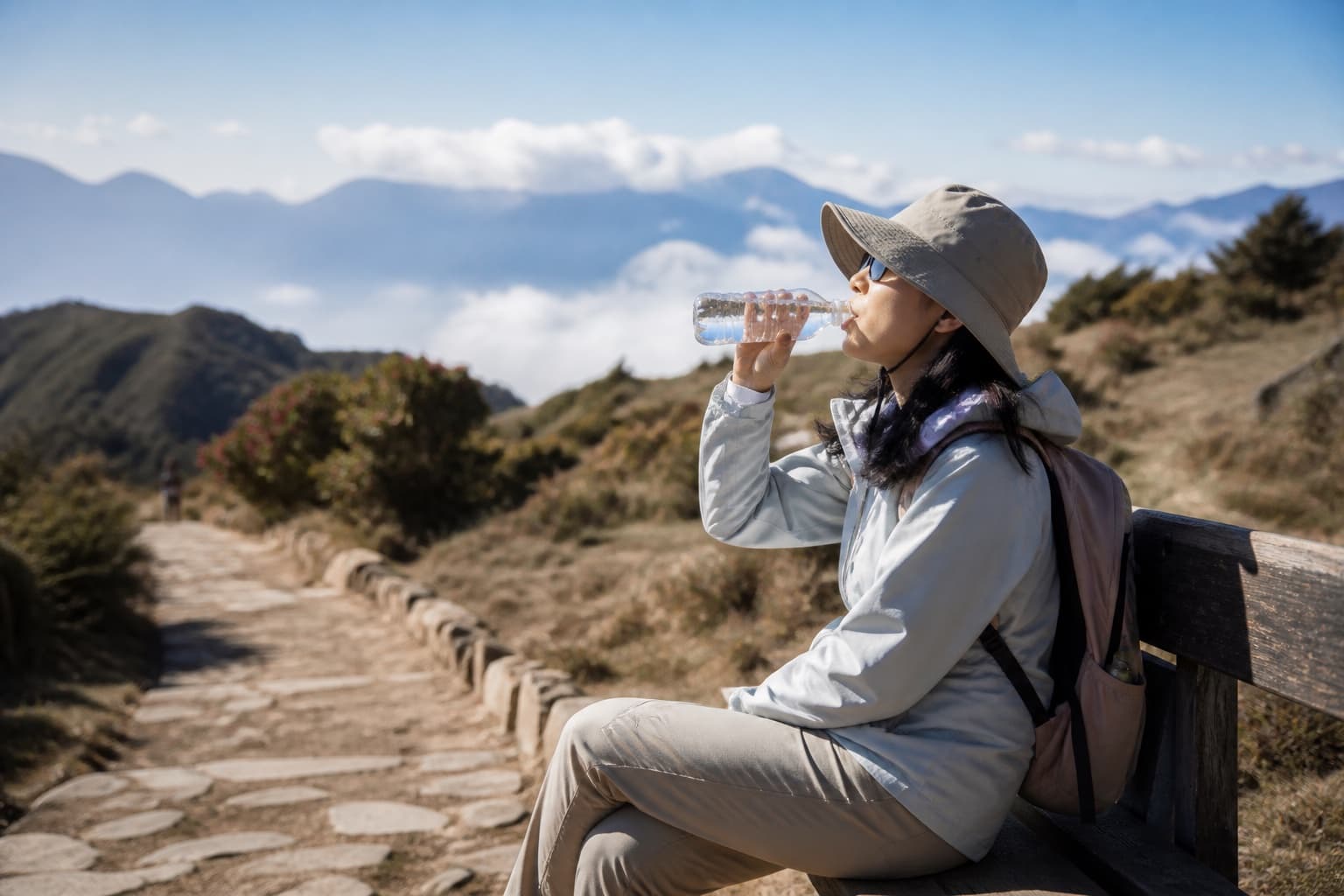
Routes through Tibet, Qinghai, western Sichuan, northwestern Yunnan, and other high-elevation areas can expose travelers to altitude illness. Fitness does not prevent it. Ascend gradually where possible, keep the first high-altitude day light, and do not ascend while symptoms continue.
Headache with fatigue, poor appetite, nausea, or vomiting can indicate acute mountain sickness. Confusion or loss of coordination requires immediate descent and urgent care. Severe breathlessness at rest, marked weakness, or a worsening cough with breathing difficulty can indicate high-altitude pulmonary edema and also requires urgent descent and medical treatment.
Sun, cold, heat, humidity and dehydration vary by region
High elevation, desert air, tropical heat, coastal humidity, and northern winter require different preparation. Use shade, protective clothing, appropriate sunscreen, and regular food and fluids. Do not force excessive water.
Carry layers and rain protection in the day bag rather than leaving them in the vehicle. Reduce demanding activity during severe heat, protect hands and feet in cold conditions, and update plans when official warnings indicate unsafe weather.
Food and water safety
Use bottled, boiled, or reliably treated drinking water and avoid untreated stream or spring water. Choose food that is cooked thoroughly and served hot; be more cautious with raw meat, fish, eggs, unpasteurized dairy, unfamiliar wild foods, and food held at room temperature. Clean hands before eating.
Travelers with serious allergies should carry a professionally translated card explaining the allergen and cross-contact risk. Severe dehydration, neurological symptoms, breathing difficulty, blood in stool, persistent fever, or illness after an unfamiliar wild ingredient needs prompt medical assessment.
Mosquitoes, ticks, and animals
Risk varies by province, season, elevation, activity, and current public-health conditions. In warm lowlands and rural areas, use appropriate insect repellent, protective clothing when practical, and screened sleeping space. Check for ticks after hiking through vegetation.
Do not touch or feed unfamiliar dogs, monkeys, or wildlife. Wash an animal bite or scratch thoroughly and seek urgent medical assessment because rabies prevention is time-sensitive. Check current official destination guidance shortly before travel.
Rain, flood, landslide, lightning, snow and road safety
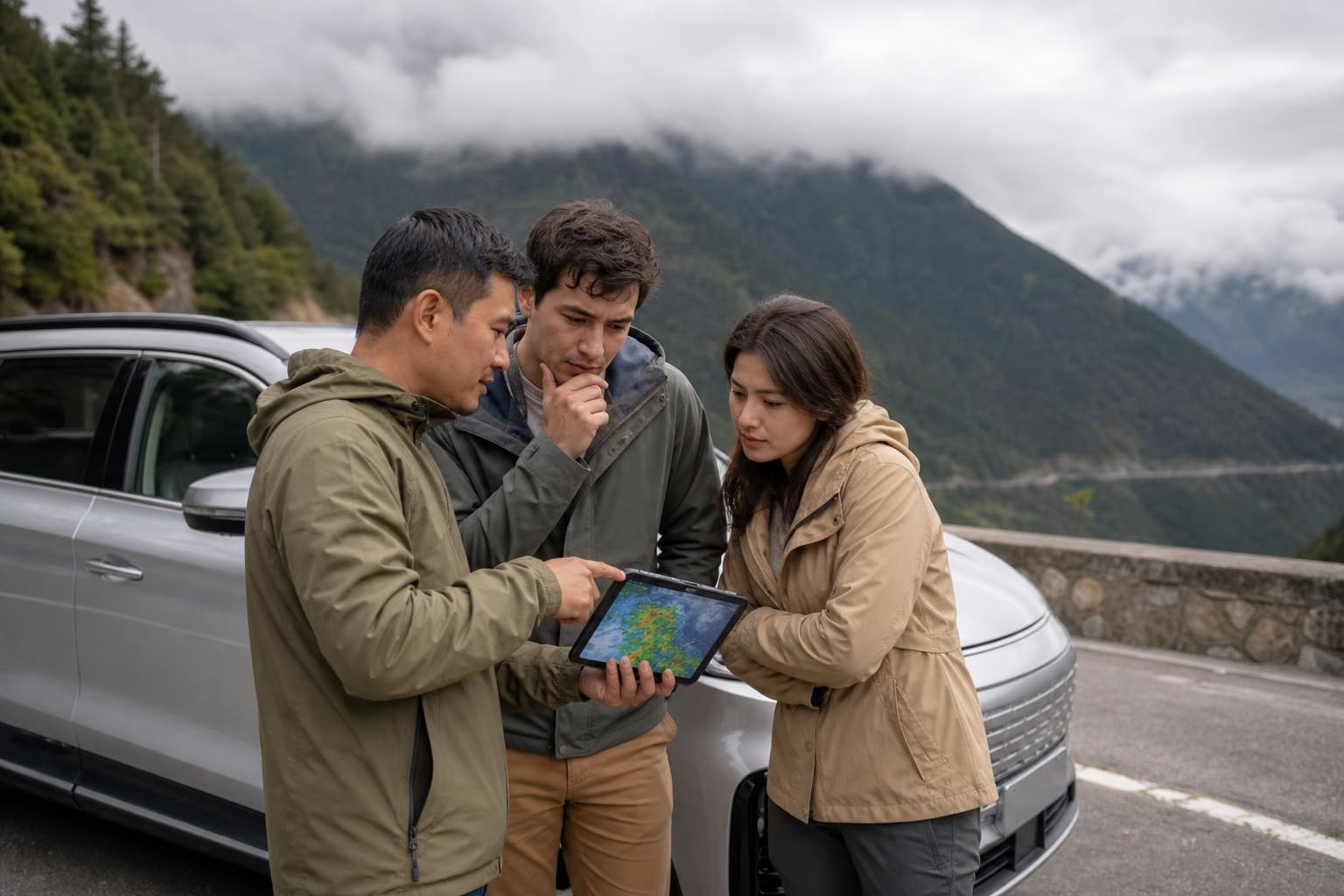
China’s hazards differ by region: intense rain and tropical cyclones can affect southern and coastal routes; landslides and rockfall can affect mountain roads; snow, ice, sandstorms, heat, and wildfire restrictions matter elsewhere. Follow official warnings, attraction closures, and local-authority instructions.
Use seat belts, avoid night driving on unfamiliar roads, and choose licensed drivers and safe vehicles. Stop when visibility, flooding, snow, rockfall, driver fatigue, or an official closure makes continuing unsafe.
For hiking and outdoor activities
Match the route to the least experienced person, not the strongest
Use a qualified guide where navigation, altitude, weather, or technical terrain demands it
Share the route, return time, and emergency contact with someone outside the group
Carry water, food, layers, rain protection, sun protection, light, power, and essential medicine
Stay on open routes and respect barriers, fire bans, wildlife rules, and local closures
Turn back early when weather, time, health, or trail conditions deteriorate
Do not walk on undeveloped ice, frozen water, cliffs, or closed scenic structures
Children, older travelers, disability, and medical devices
Children may communicate altitude, heat, cold, or dehydration differently from adults and need closer observation. Older travelers and people with limited mobility benefit from realistic walking descriptions, lift and bathroom checks, shorter transfer days, and a plan for stairs and uneven paving.
Travelers using insulin, injectable medicine, CPAP, catheters, oxygen, mobility equipment, or temperature-sensitive medication should confirm airline procedures, power, refrigeration, water protection, security documentation, and the nearest appropriate medical facility. Carry spare consumables and translated instructions. Do not assume a rural clinic can maintain a specialized device.
Insurance and access to care
Read the policy wording for altitude, trekking, motorbike use, pre-existing conditions, trip interruption, emergency transport, and medical evacuation. A policy that covers ordinary sightseeing may exclude the activity that creates the greatest risk. Save the assistance number and policy details offline.
For treatment, bring the passport, payment methods, medication list, and insurance information. Keep medical records, prescriptions, test results, invoices, and police or incident reports. In an emergency, call the local emergency service and contact the insurer when it is safe to do so; do not delay urgent care while waiting for an insurer to answer.
Useful emergency preparation
110 — police or crime emergency
119 — fire
120 — ambulance or first aid
122 — road-traffic emergency
12345 — non-emergency government service; it does not replace emergency services
12367 — immigration and exit-entry enquiries
Language support varies by location; ask a hotel, guide, or nearby person to assist if needed
Safety includes respect for place
Respect barriers, fire bans, wildlife rules, religious spaces, local communities, and protected landscapes. Do not enter closed trails, climb undeveloped structures, feed wildlife, light fires, or search for an unofficial way around a closure.
If a local authority closes a road, scenic area, forest, river section, or mountain route, change the itinerary. Responsible behavior reduces rescue risk and protects the people and places that make the journey possible.