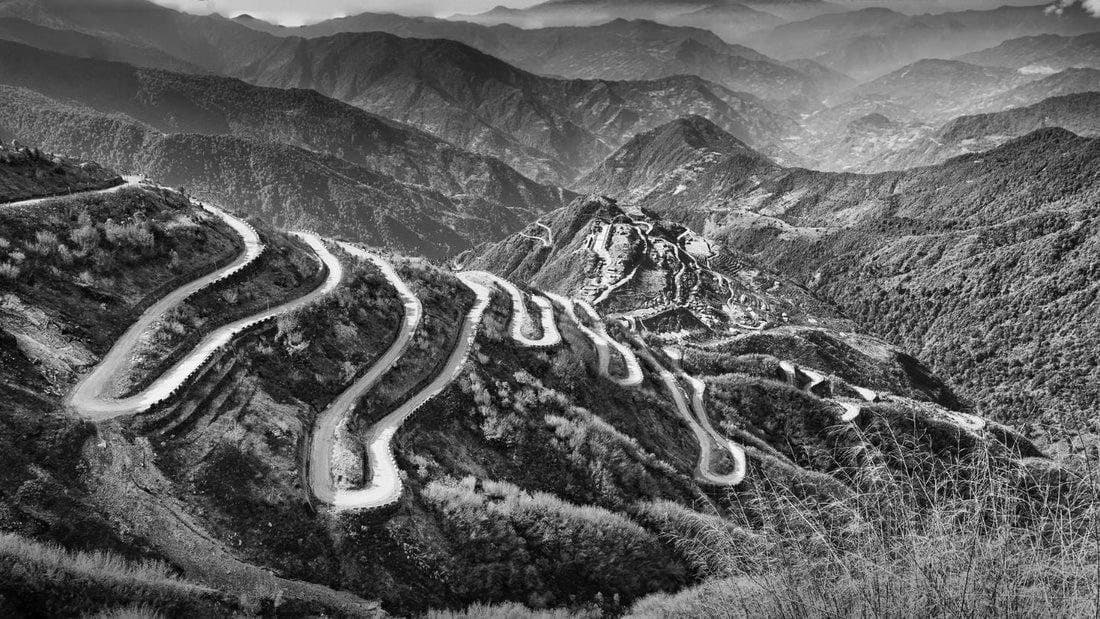
In the folded mountains of southwest China, where the Hengduan range rises toward the eastern edge of the Himalayas, an ancient road still lives in fragments. It is called the Tea Horse Road. For more than a thousand years, this was not a single road, but a vast network of mountain paths, caravan routes, river crossings, market towns, and resting villages. It carried tea from Yunnan and Sichuan into Tibet. It carried horses, salt, herbs, silk, stories, songs, beliefs, and languages back across the mountains.
The sound of mule bells has mostly disappeared now. The old caravans no longer move through the cliffs and forests as they once did. But in Yunnan, the spirit of the Tea Horse Road has not vanished. It has changed form. Today, travelers come not to trade tea for horses, but to follow the traces of an older way of moving through the world: slower, deeper, and more connected to land, culture, and memory.
A Road Built by Need
The Tea Horse Road was born from necessity. In the highlands of Tibet, tea became an essential part of daily life. It helped balance a diet rich in dairy and meat, and over time, tea became inseparable from Tibetan culture. Butter tea was not merely a drink. It was warmth, hospitality, nutrition, and ritual.
Farther east and south, Chinese courts and border regions needed strong horses from the Tibetan Plateau. In response, a long-distance trade system gradually formed. Tea moved upward into the mountains. Horses and other goods moved back down.
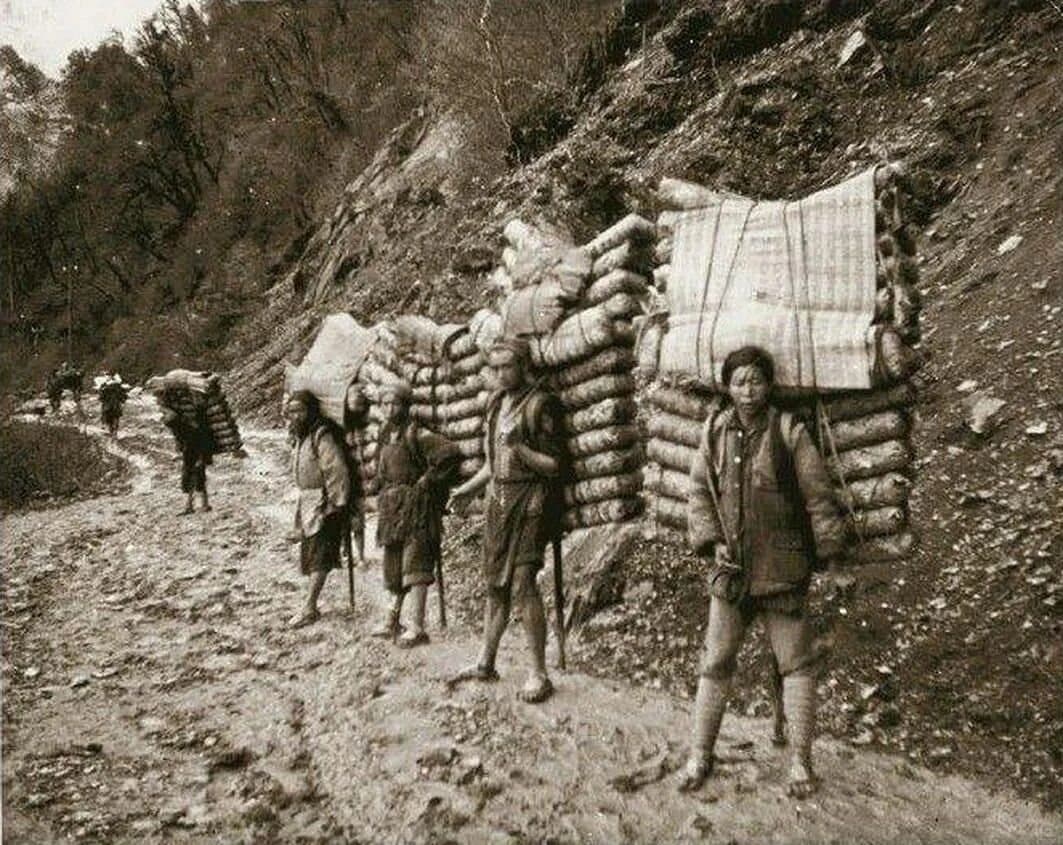
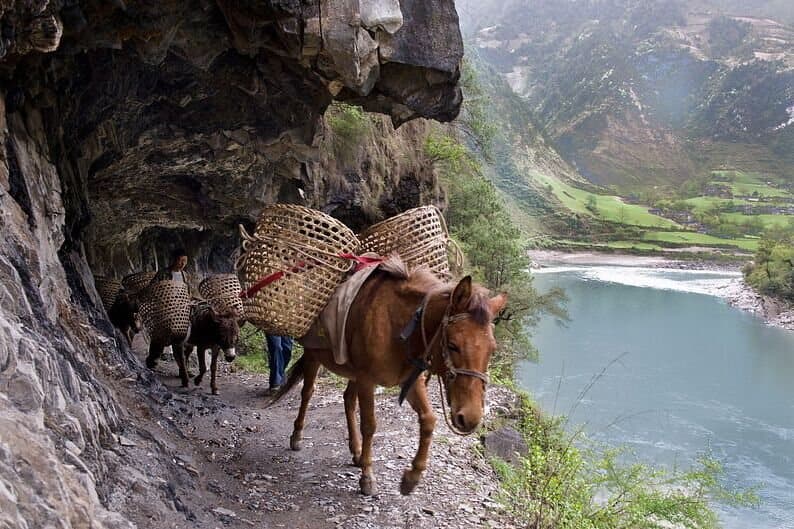
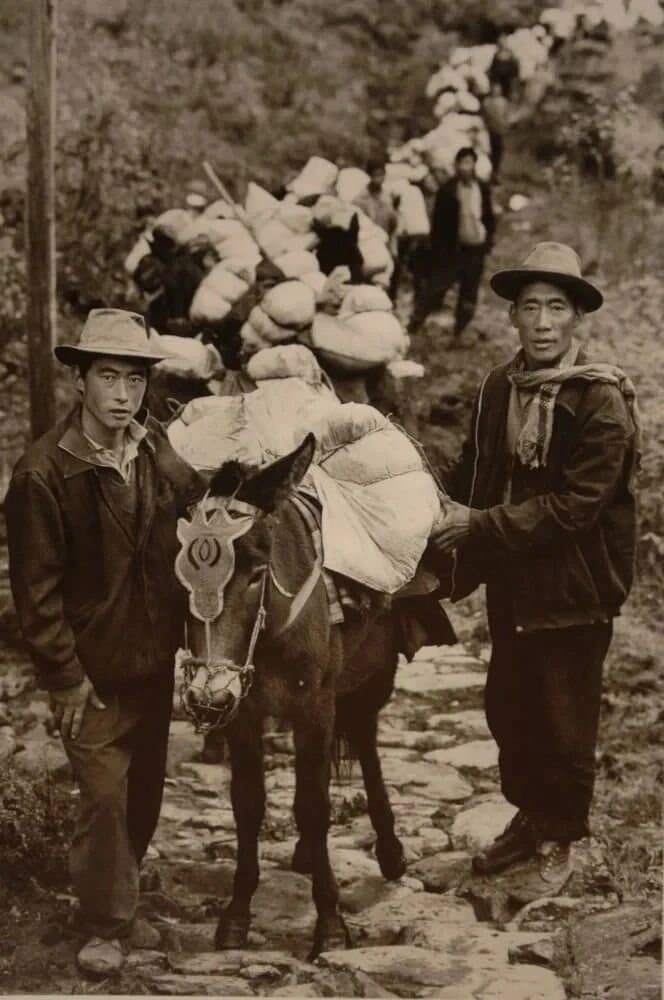
But to describe the Tea Horse Road only as a trade route would be too simple. It was a lifeline. Caravans crossed some of the most difficult terrain in Asia: deep river gorges, snow passes, landslide-prone cliffs, forests, and highland valleys. Muleteers carried compressed tea cakes, salt, medicinal herbs, textiles, and daily goods. In some areas, porters carried astonishing loads on their backs, step by step, through rain, wind, and thin mountain air.
Every journey required strength, trust, and intimate knowledge of the land. The road was dangerous, but it connected worlds that needed each other.
Where Cultures Met
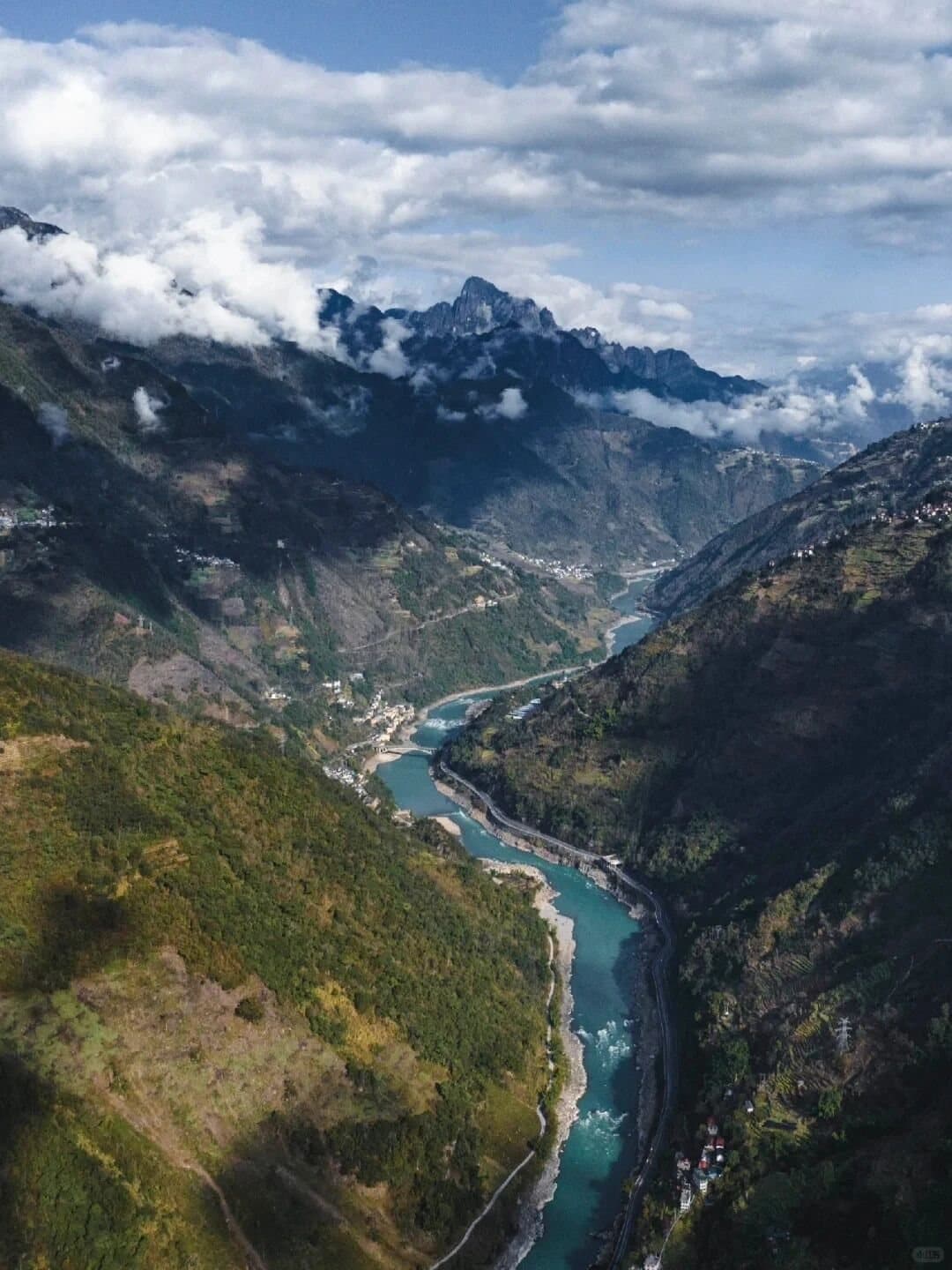
Yunnan has always been a place of crossings. Along the Tea Horse Road, Han, Tibetan, Naxi, Bai, Yi, Hui, and many other communities lived, traded, and influenced one another. A market town was never just a market town. It was a place where languages mixed, where architecture changed shape, where food absorbed new ingredients, where religious symbols traveled with merchants and pilgrims.
Tea entered Tibetan life and became butter tea. Caravan towns grew around trade. Buddhist temples, wooden courtyards, stone bridges, ancestral homes, old theaters, salt wells, horse inns, and tea shops appeared along the route. Places such as Dali, Lijiang, Shaxi, Nuodeng, Shangri-La, and the villages of the upper Mekong and Yangtze valleys all carry pieces of this history. Some became famous. Others remain quiet, known only to those who travel slowly enough to notice them.
In these places, the Tea Horse Road was not an abstract idea. It was daily life. It shaped what people ate, how they built, how they prayed, how they welcomed strangers, and how they understood distance.
The Villages That Remember
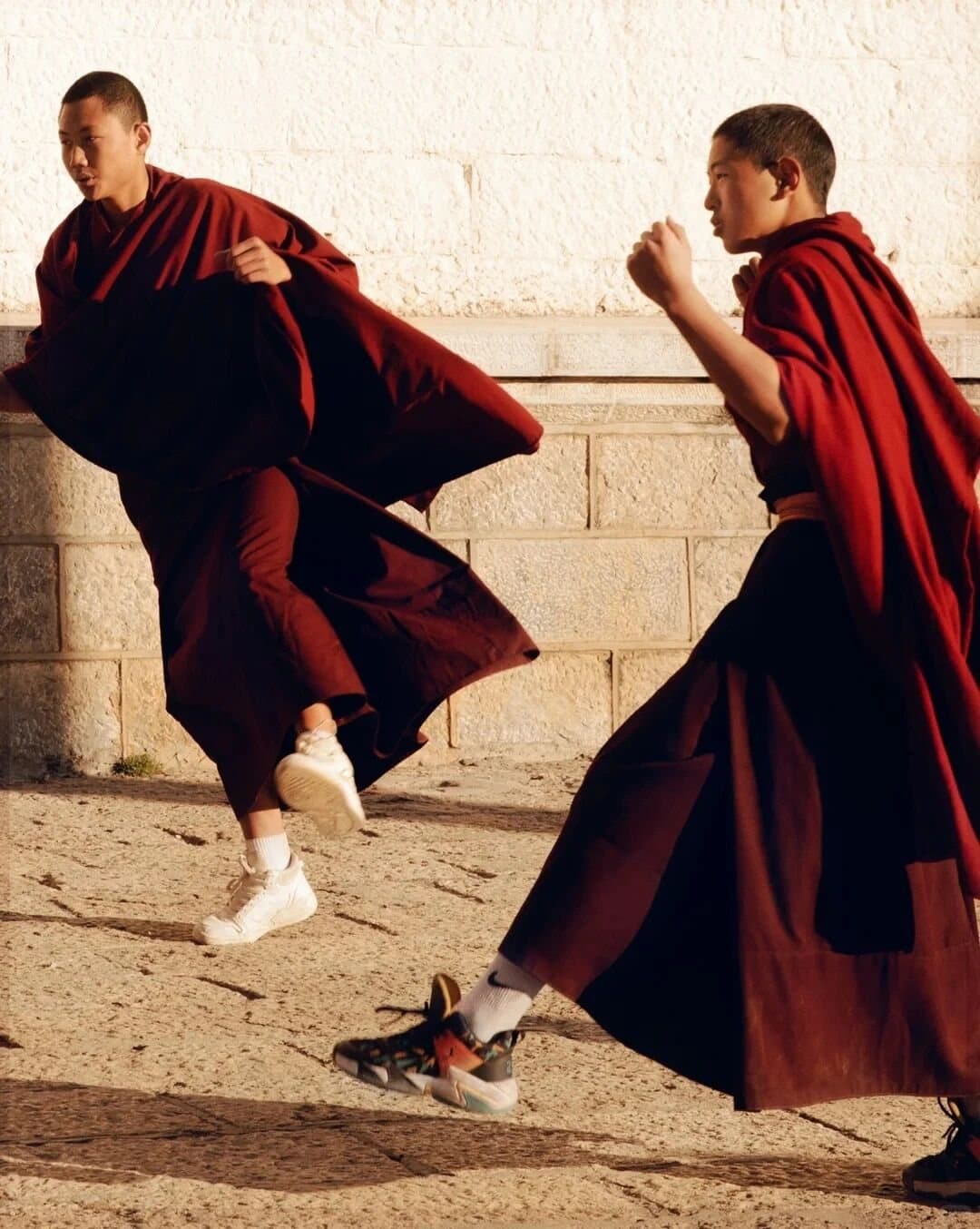
Many of the old trade routes are no longer visible in a complete form. Some have been replaced by modern roads. Some have been swallowed by forests. Some survive only as stone steps, worn bridges, old courtyards, or stories told by elders. But the villages remain.
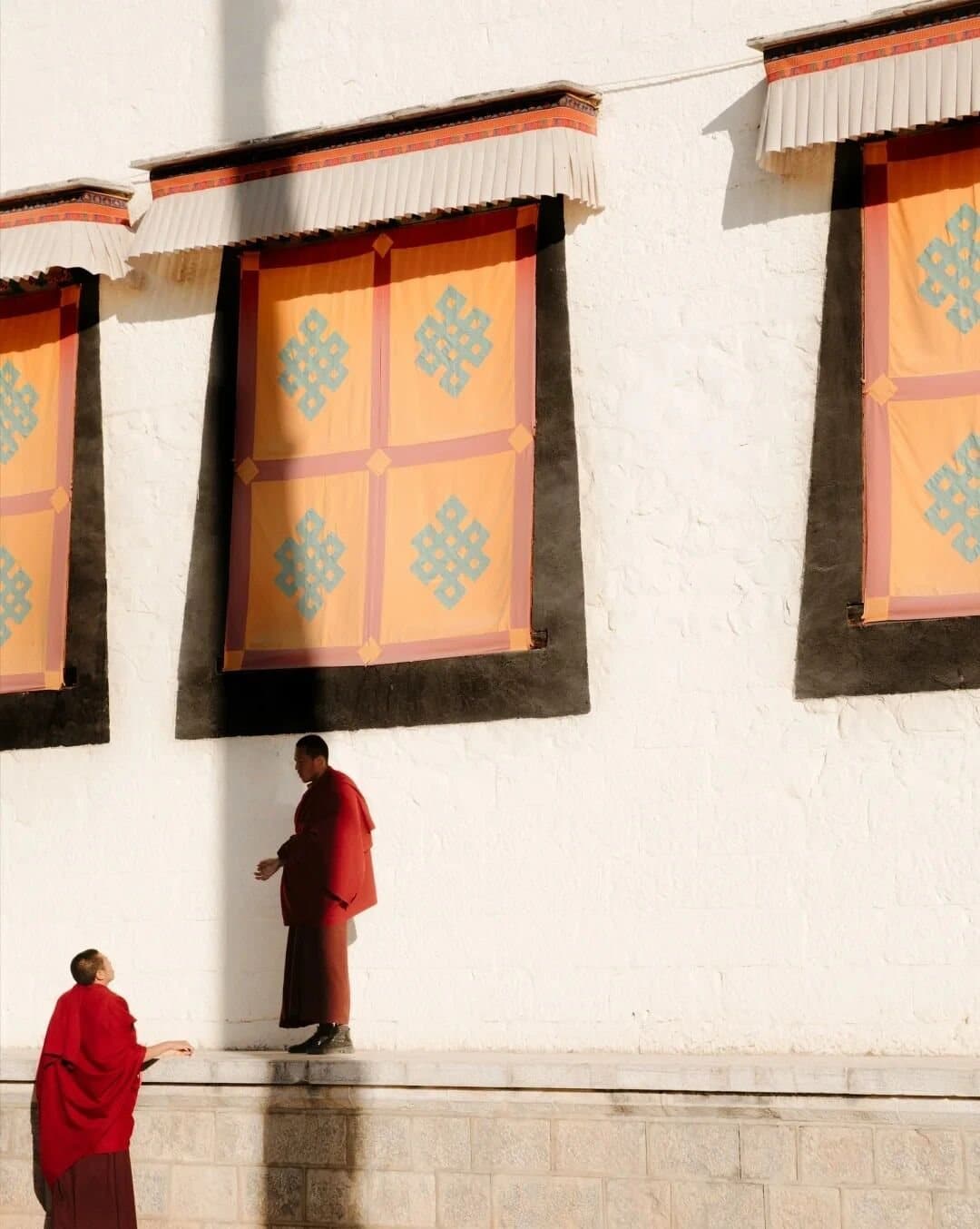
In Shaxi, the old theater stage still faces the square, and the stone streets still hold the memory of passing caravans. In Nuodeng, salt once sustained generations, and the village still rises quietly along the mountain slope. In Lijiang, Naxi culture, markets, music, and water systems still reflect the layered influence of old trade. In Shangri-La, Tibetan homes, monasteries, and highland landscapes remind travelers that the road did not only carry goods. It carried belief.
These places were once stops along a hard journey. Today, they invite a different kind of traveler. Not the traveler who wants to check off a landmark and leave, but the traveler who wants to understand how people lived with mountains, rivers, animals, weather, trade, and faith. The Tea Horse Road asks for attention. It rewards those who walk slowly.
From Caravan Route to Modern Journey
Modern travel has changed the Tea Horse Road, but it has not necessarily erased it. In fact, the best kind of travel may help protect what remains. Where caravans once stopped for food, shelter, and news, travelers now stay in restored homes, mountain lodges, and village guesthouses. Where merchants once exchanged tea and salt, visitors now learn about Pu’er tea, local crafts, woodblock printing, traditional architecture, foraging, cooking, and ethnic minority cultures.
The meaning of exchange has changed. In the past, the road connected material needs. Tibet needed tea. The tea regions needed horses and trade. Villages survived by serving those who passed through. Today, the road connects a different kind of need.
Many modern travelers arrive from cities where life is efficient but fragmented. They come to Yunnan looking for space, silence, texture, and a sense of connection that daily life often loses. The Tea Horse Road offers not a performance of tradition, but an invitation to slow down and enter the rhythm of a place.
A cup of tea becomes more than a drink. A village lane becomes more than a photo spot. A mountain road becomes more than a scenic drive. It becomes a way of asking: What does it mean to travel well?
The New Life of an Old Road
The rebirth of the Tea Horse Road is not about turning history into luxury, nor about packaging culture for visitors. At its best, it is about giving old places new reasons to continue. When travelers value local knowledge, traditional houses are more likely to be repaired instead of abandoned. When they spend time with craftspeople, endangered skills gain new visibility. When they follow local guides into forests, tea mountains, villages, and temples, the landscape becomes more than a backdrop. It becomes a living archive.
This is the kind of travel Yunnan does best. It is not polished in the way some destinations are polished. Its beauty is layered, sometimes rough, sometimes quiet, often hidden behind a bend in the road. The most meaningful moments are rarely the most obvious ones.
They happen when mist lifts over a tea mountain. When an elder pours you a cup of tea and tells you where the leaves came from. When you walk through a village and realize the stone beneath your feet has been touched by generations of traders, animals, pilgrims, and children. When a road that once belonged to caravans begins to feel, briefly, like it belongs to you too.
Why Yunnan Matters Now
Yunnan matters now because the road offers a slower way to understand the province through the places and communities that grew along it. It matters because the world is beginning to notice a different kind of China travel. Not only skyscrapers and speed.
Not only ancient capitals and famous monuments. But borderland cultures, mountain routes, living villages, tea forests, sacred landscapes, ethnic diversity, and forms of hospitality rooted in place. Yunnan offers a softer, deeper doorway into China.
It is a province where the tropical south meets the Tibetan highlands, where old trade routes cross snow mountains and river valleys, where tea is not just consumed but remembered, and where travel can still feel like a process of discovery.
The Tea Horse Road helps explain why. It reminds us that movement does not always mean escape. Sometimes movement means connection. A road can carry more than goods. It can carry culture, memory, and the possibility of meeting another way of life.
The Road Is Still Open
The ancient caravans are gone. The bells are silent. The horses no longer carry tea bricks over dangerous mountain passes. But the Tea Horse Road still exists in another form: in Pu’er tea mountains, in Shaxi’s old square, in Nuodeng’s salt-scented alleys, in Lijiang’s waterways, in Tibetan villages near Shangri-La, and in the stories people continue to tell along the way.
To travel this road today is not to recreate the past. It is to listen to what remains. The old road has become a new journey — one that leads not only across Yunnan, but inward, toward a slower understanding of place, culture, and the meaning of travel itself.
The gate is already open. Yunnan is waiting, not to be consumed quickly, but to be entered with patience.