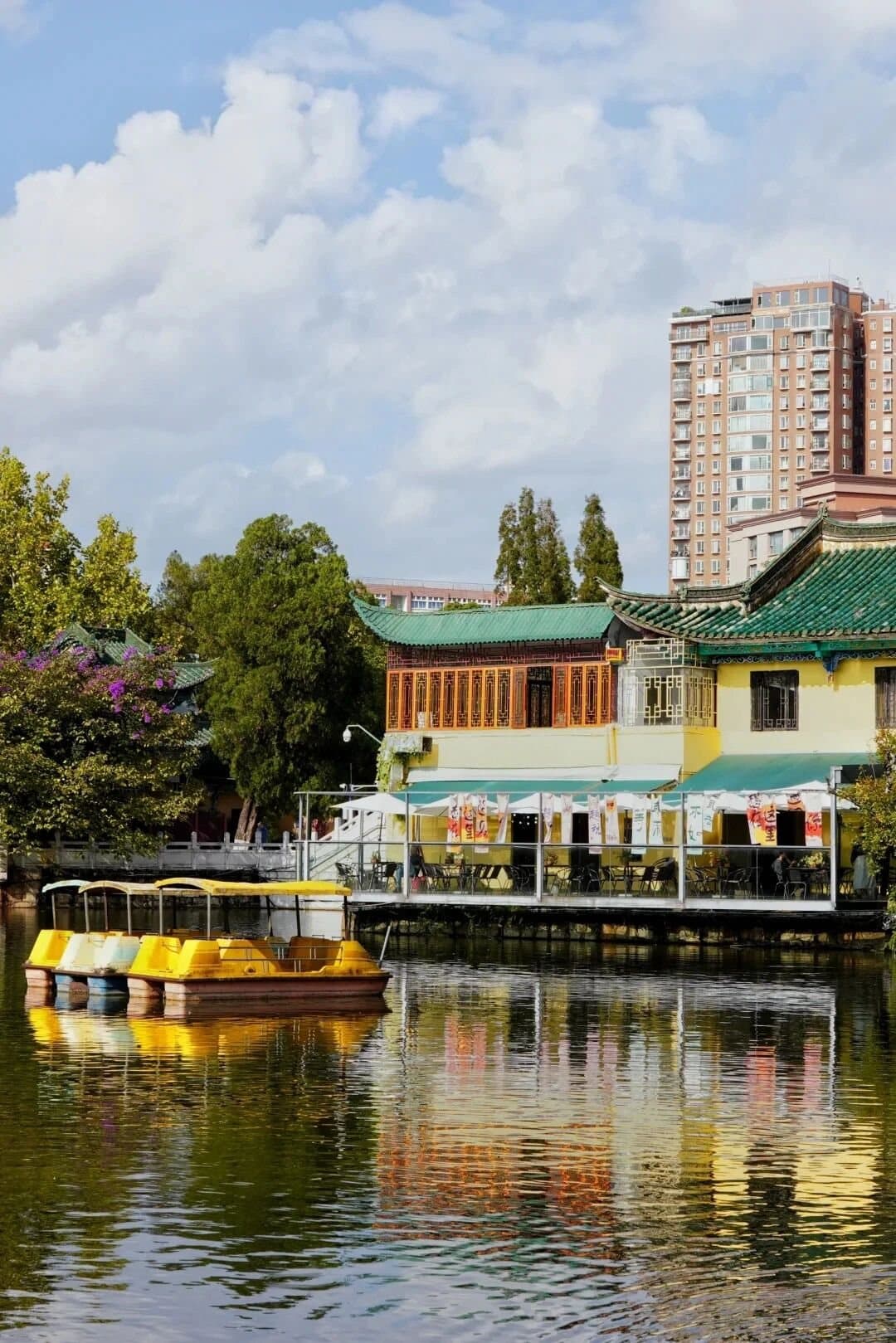
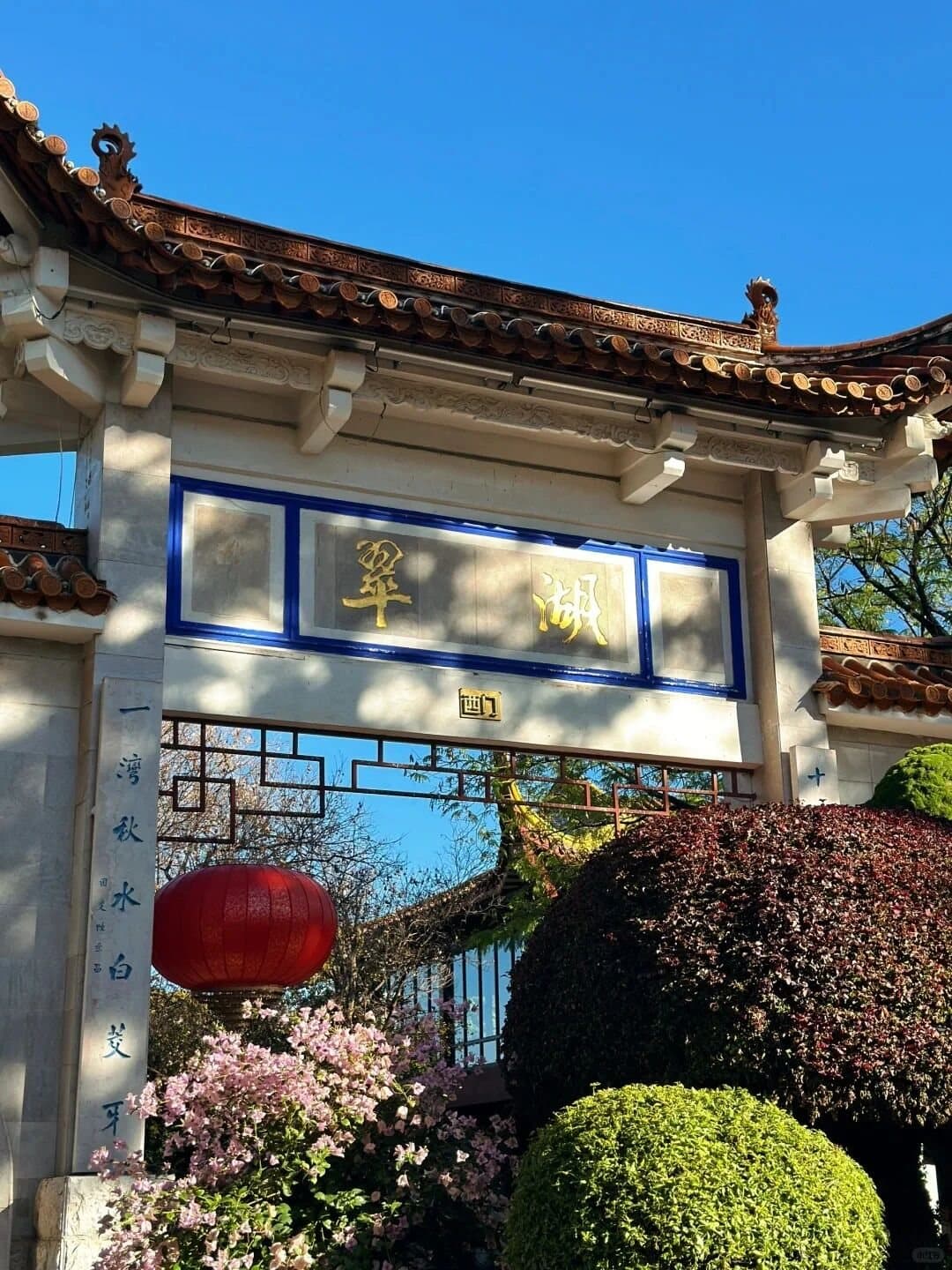
Every city has a place where its soul becomes visible. For Kunming, that place is Green Lake. Known in Chinese as Cuihu, Green Lake sits quietly in the old center of the city. It is not the largest lake in Yunnan. It is not the most dramatic. There are no snow mountains rising behind it, no great river cutting through it, no grand spectacle demanding attention.
And yet, without Green Lake, Kunming would not feel like Kunming. This is not only because of its water, willow trees, lotus flowers, red fish, and winter seagulls. It is because Green Lake holds the city’s memory in an unusually gentle way. Around it are old streets, university gates, bookstores, tea houses, government buildings, former residences, and quiet lanes that still carry traces of another century. Green Lake is not a place Kunming visits. It is a place Kunming returns to.
The Lake That Cannot Be Removed
Many Chinese cities have famous lakes. Hangzhou has West Lake. Jinan has Daming Lake. Yangzhou has Slender West Lake. But Green Lake has a different relationship with its city. It is smaller, more intimate, and more woven into ordinary life.
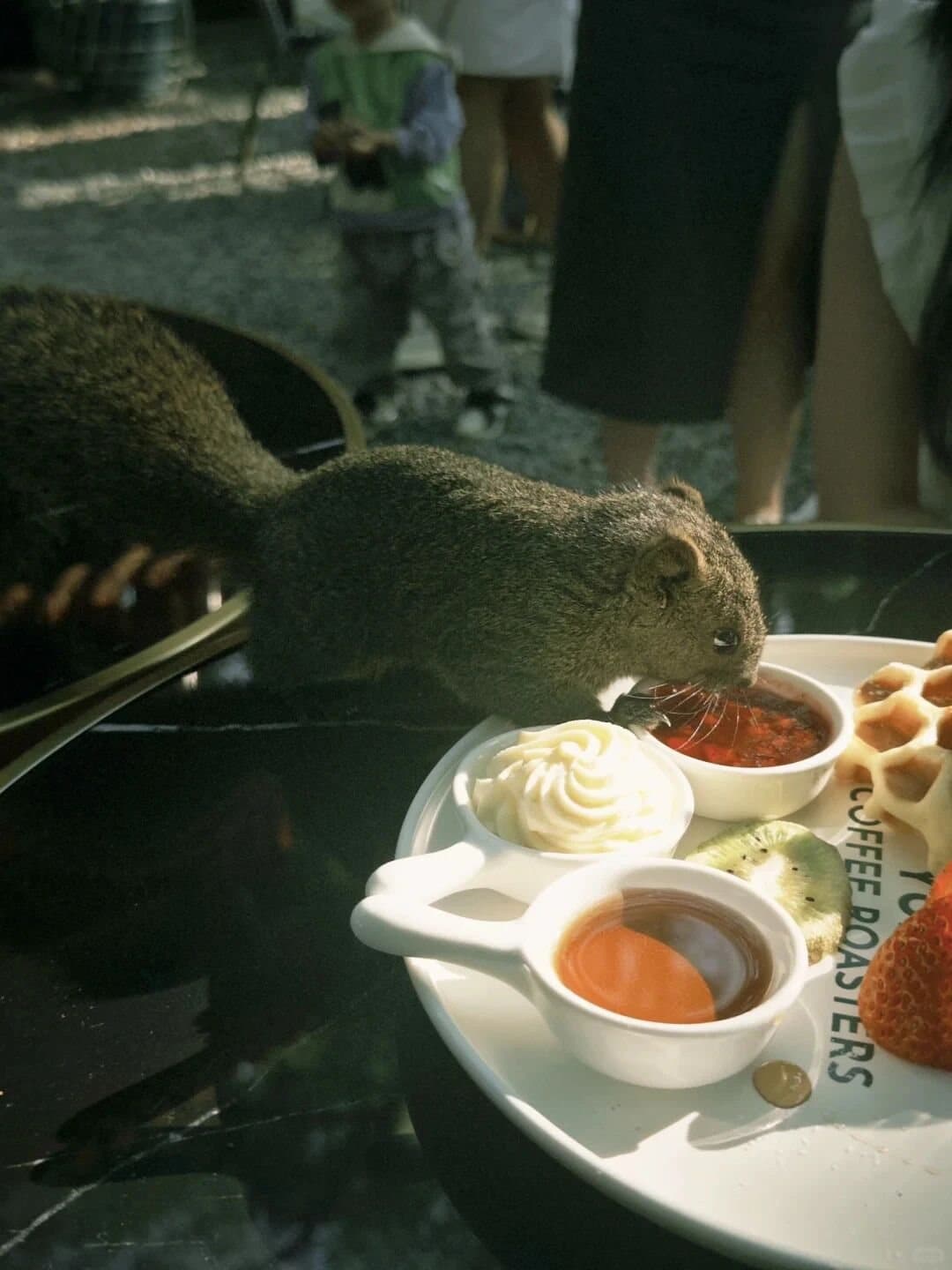
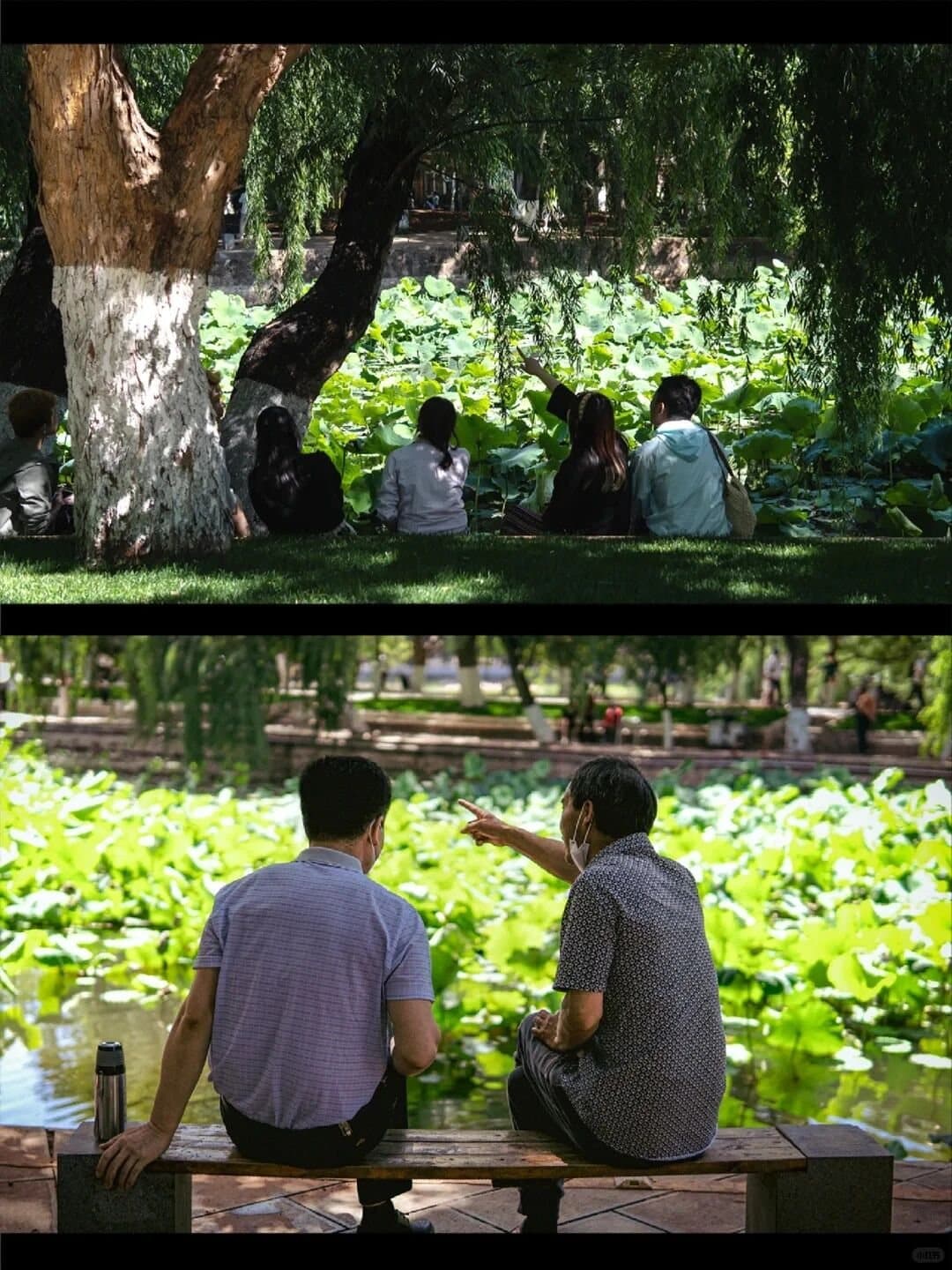
If you removed some famous lakes from their cities, the cities might still stand as themselves. But if you removed Green Lake from Kunming, something essential would disappear. Green Lake is not placed outside the city as a scenic destination. It is folded directly into the city’s daily rhythm. People cut through it on their way to work. Elderly residents dance beside it in the morning. Students walk around it after class. Visitors pause here without needing a plan. On sunny afternoons, people sit on stone benches and do almost nothing, which is one of the most Kunming things a person can do.
This is why Green Lake feels less like a park and more like a public living room. It softens the city. The moment you step in from the busy streets, the pace changes. Traffic noise becomes distant. The light is filtered through trees. The lake holds the sky. Even if you are only passing through, your body slows down before your mind has time to notice.
Wang Zengqi and the Memory of Youth
Green Lake is also part of China’s modern literary memory. In 1939, the young writer Wang Zengqi came to Kunming to study at the National Southwest Associated University, one of the most important universities in China during the Second Sino-Japanese War. The university was formed after several major Chinese universities moved inland during wartime, and Kunming became a temporary home for some of the country’s brightest teachers, writers, and students.
Wang Zengqi later wrote about Green Lake with deep affection. For him, it was not just a landscape. It was the background of youth. He remembered walking around the lake with friends, wandering without money and without hurry. They talked endlessly under moonlight and tree shadows. They were young, full of thoughts, full of conversations they would later forget. What remained was not the content of those talks, but the feeling of that time: freedom, friendship, uncertainty, and the soft air of Kunming.
That is the strange power of Green Lake. It does not insist on being remembered through great events. It is remembered through walking, sitting, talking, drinking tea, looking at water, and allowing time to pass. Around Green Lake, the traces of that era still linger. From Wenlin Street to Wenhua Lane, from the old university area to the surrounding slopes and alleys, one can still imagine students crossing the streets for rice noodles, sitting in tea houses, arguing about literature, and walking back through the lake at dusk. History here does not shout. It stays in the shade.
Nine Lanes, Thirteen Slopes
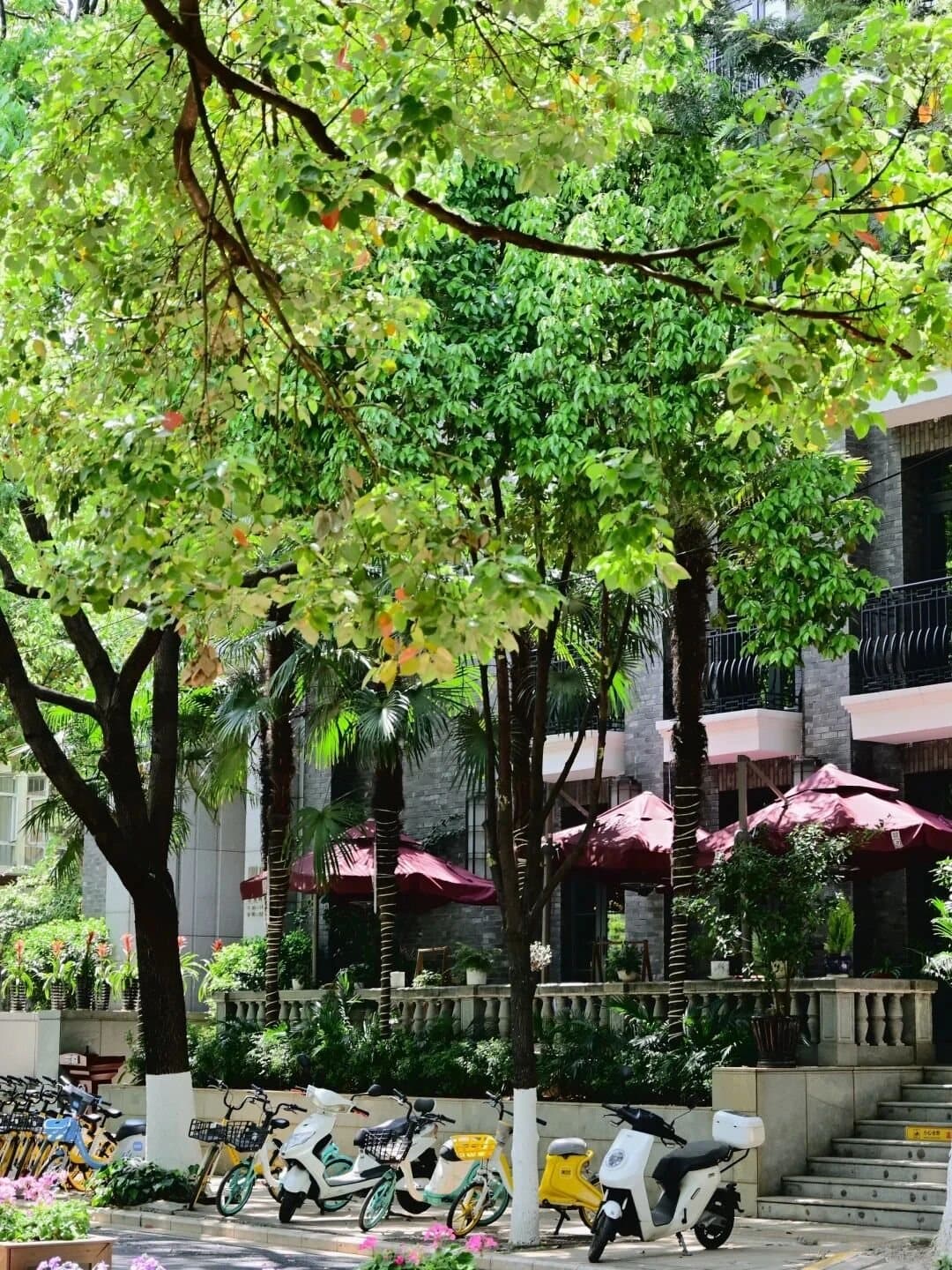
The area around Green Lake has an old urban texture that locals often describe through its lanes and slopes. Kunming is not a flat city in the way a map might suggest. Around Green Lake, streets rise and fall gently. Small lanes bend between old houses, schools, shops, book cafés, and hidden courtyards. Some names remain familiar to locals: Xiansheng Slope, Wenlin Street, Wenhua Lane, and the roads leading toward Yunnan University.
These names may not appear on a tourist’s first itinerary, but they are part of the real Kunming. To walk here is to move between layers: old academies and new cafés, elderly residents and international students, family-run noodle shops and independent bookstores, government compounds and university walls. The city becomes readable through small details.
A faded doorplate. A blue jacaranda bookmark in a bookshop. A saxophone sound drifting from somewhere near the university. A coffee cup on Wenhua Lane. A group of aunties dancing beside the lake. A student sketching a stranger under the trees. This is the Kunming that cannot be fully captured by landmark tourism. It must be walked.
The Color of Cui
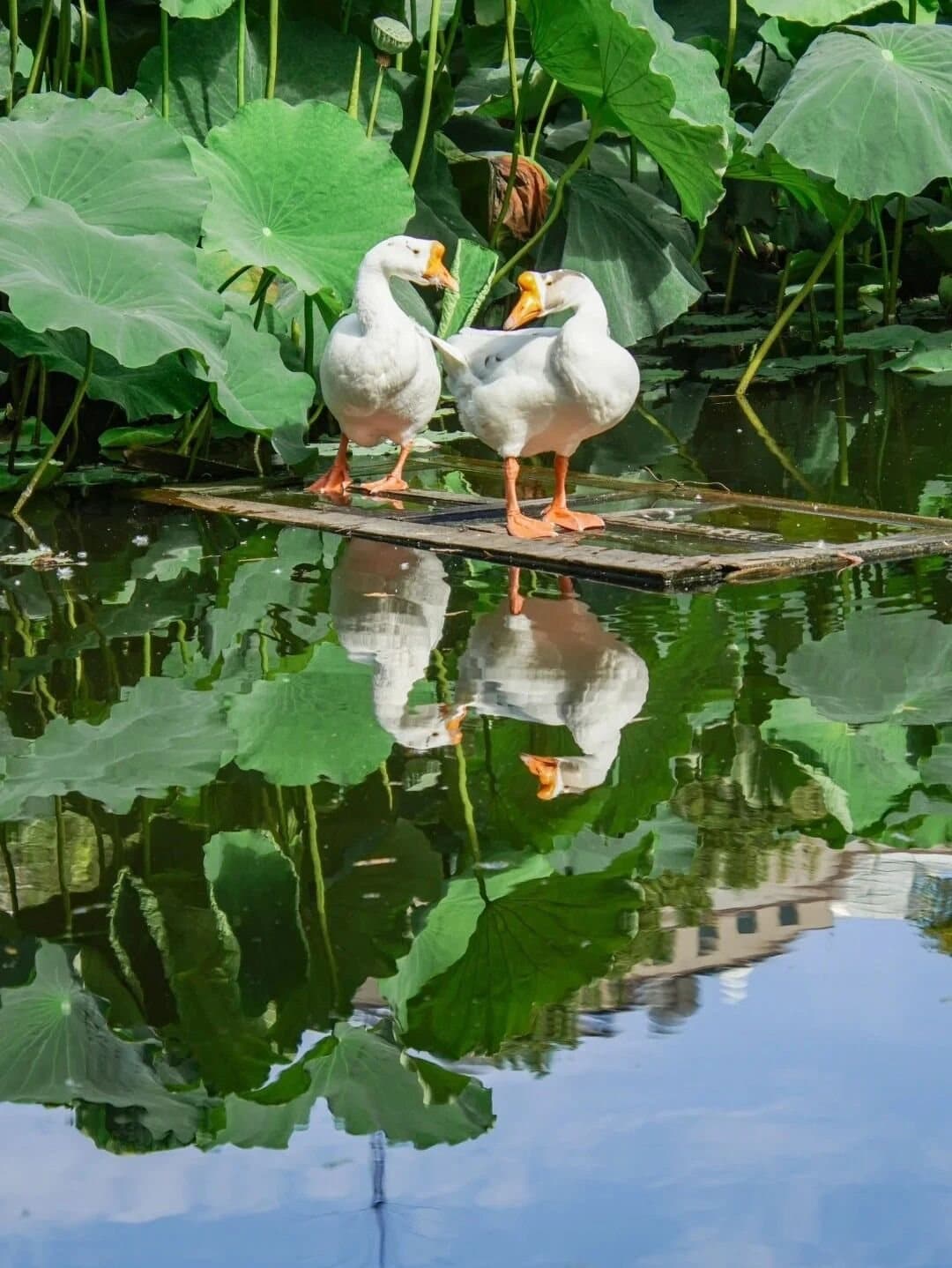
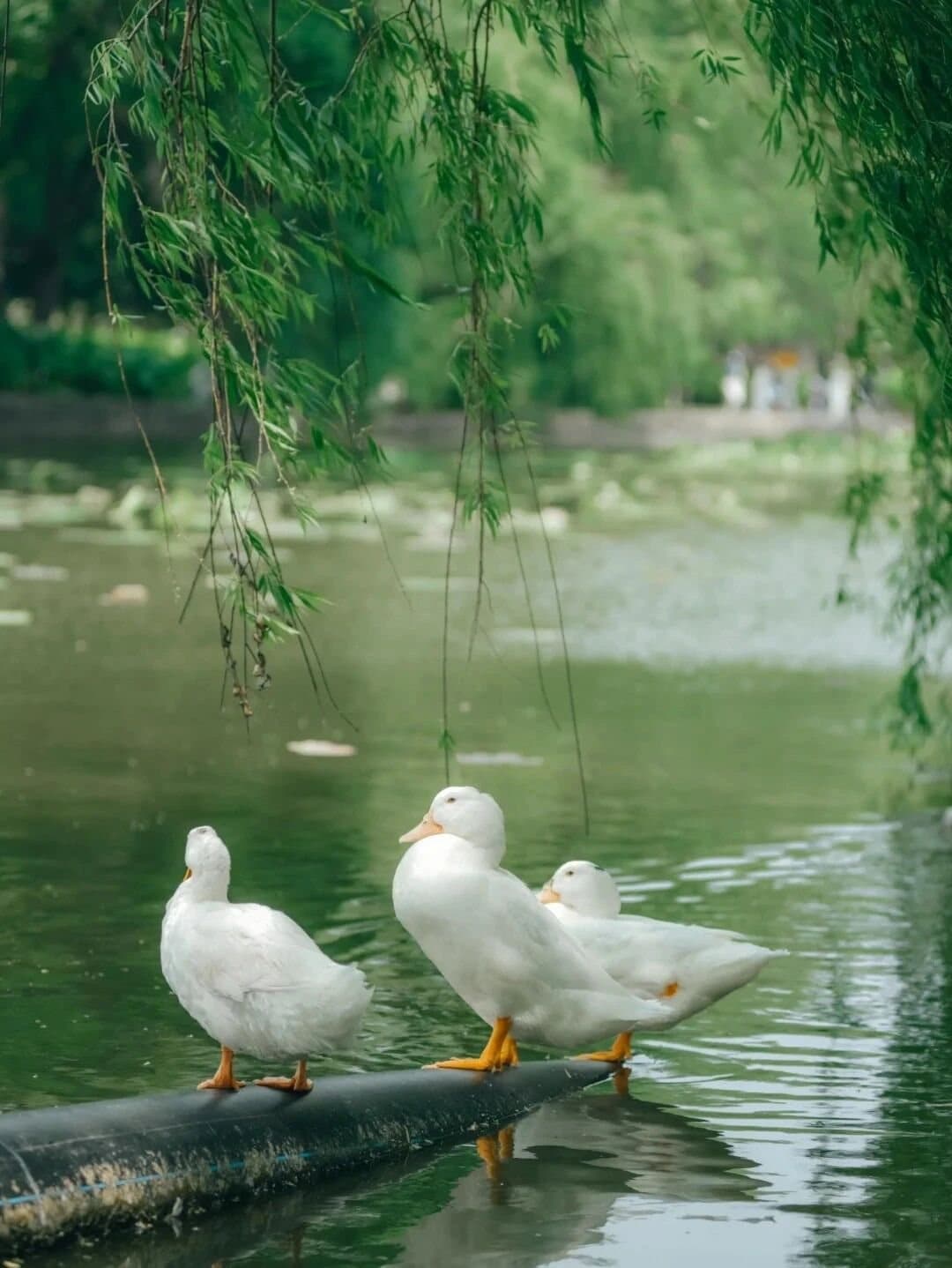
The Chinese character “cui” suggests a deep green: the green of jade, leaves, water, and living things. Green Lake deserves its name. Willow trees line the banks. Their branches move softly in the wind. In summer, lotus leaves spread across the water. In winter, the trees often remain green, as if Kunming has quietly refused the strictness of northern seasons.
The lake’s beauty is not dramatic. It is layered. Water, willow, lotus, fish, stone bridges, pavilions, and human voices all blend into one atmosphere. Red fish move slowly below the surface, already used to footsteps and conversation. Birds cross the water. Shadows break and reform. The lake rarely asks you to look at one single view. It invites you to keep looking.
In many places, nature is separated from the city. At Green Lake, nature becomes part of public life. People do not come only to admire it. They live beside it, through it, around it.
Winter Seagulls and the City’s Softest Season
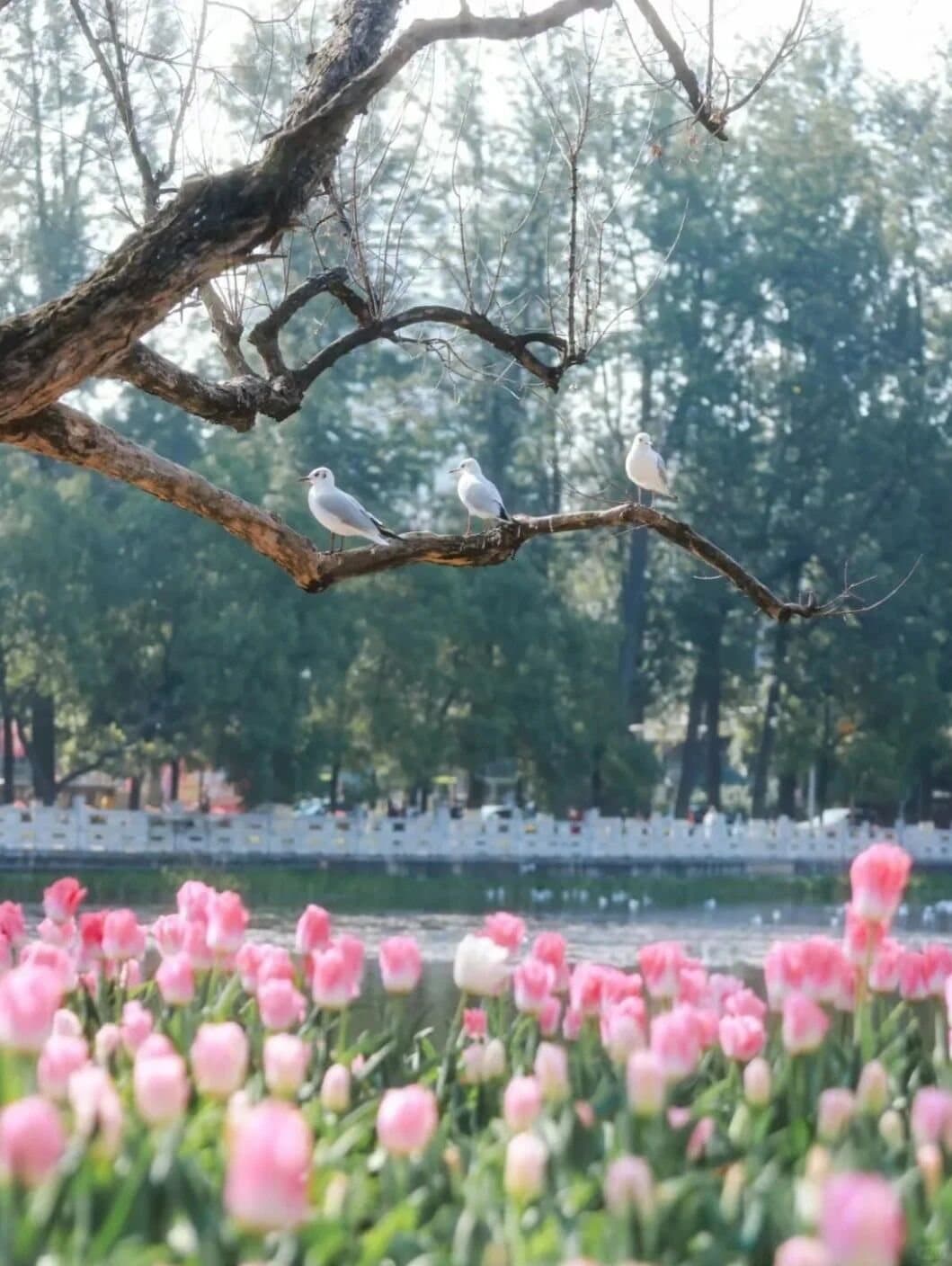
Every winter, seagulls arrive in Kunming. For many visitors, this is one of the most memorable scenes at Green Lake: white birds flying low over the water, gathering near the banks, calling above the heads of crowds. Children laugh. Elderly people hold out food. Photographers wait for the right second. The whole lake becomes lighter, noisier, and more alive.
The seagulls have become part of Kunming’s winter identity. They turn the city’s mild climate into a living performance. While much of northern China is cold and gray, Kunming remains bright, open, and full of movement. The birds make the season feel festive without needing ceremony.
But even in winter, Green Lake is not only about the birds. It is about the way people gather around them. The scene is ordinary and tender: families, students, tourists, retirees, musicians, painters, and strangers standing together by the water, all looking up at the same sky. For a moment, the city becomes simple.
A City Walk Around Green Lake
The best way to experience Green Lake is not to rush through it. Start from the old university area. Walk through Wenlin Street, where cafés, small restaurants, and shops reflect Kunming’s relaxed international side. Continue toward Wenhua Lane, long associated with students, foreigners, music, coffee, and late-afternoon conversations.
From there, enter Green Lake slowly. Do not treat it as a stop. Treat it as a rhythm. Walk along the causeways. Sit when you feel like sitting. Watch the people more than the buildings. Notice how locals use the space: morning exercise, chess, dancing, singing, sketching, feeding birds, taking children for a walk, or simply standing by the water with their hands behind their backs.
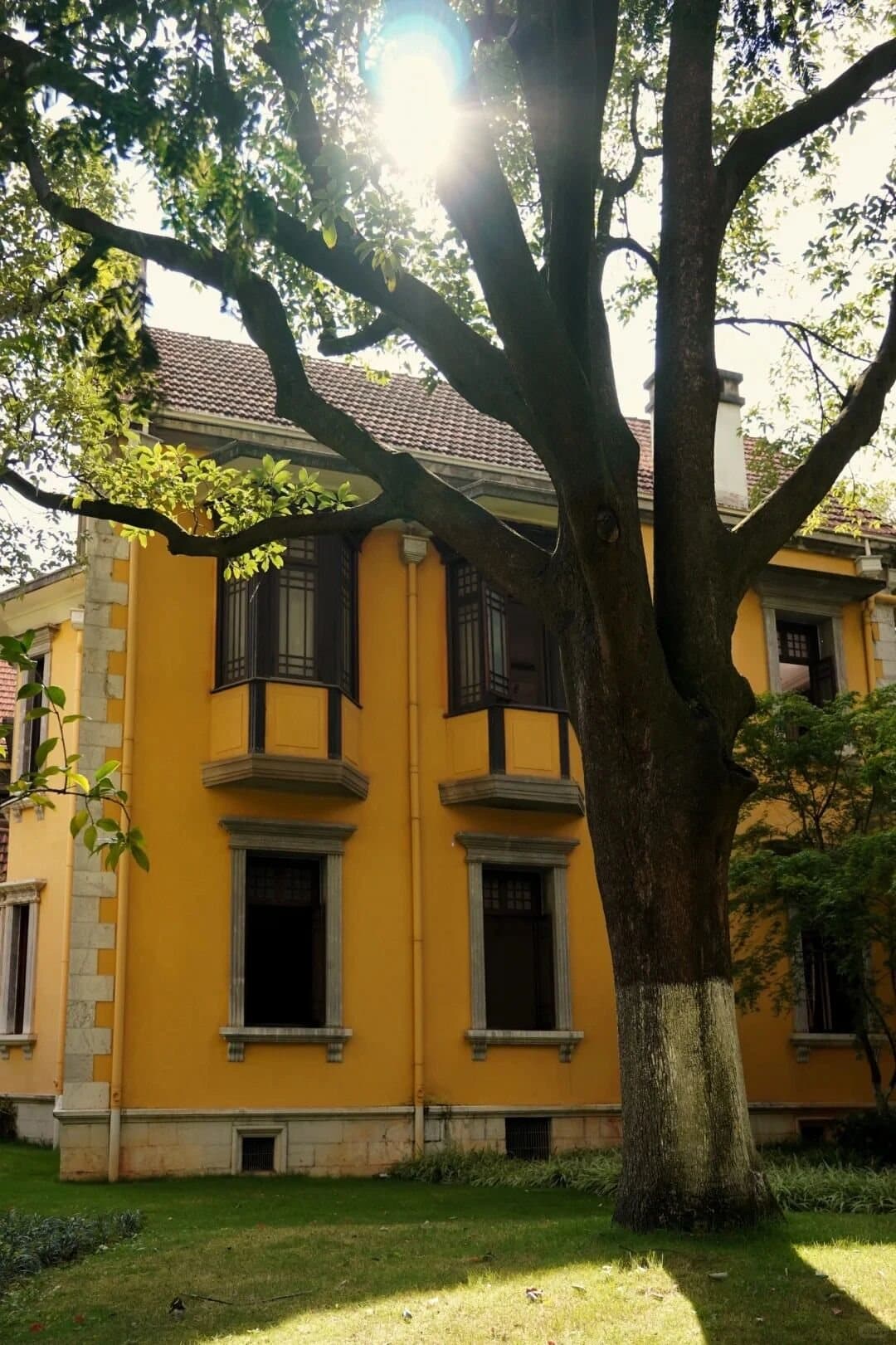
Then continue toward Yunnan University, one of the most atmospheric campuses in the city. Its old buildings, tall trees, and stone steps make the area feel both scholarly and slightly nostalgic. Nearby bookstores and cafés offer the perfect ending to a slow afternoon. This is not a route for collecting attractions. It is a route for understanding Kunming.
Why Green Lake Stays With You
Some places impress you immediately. Green Lake stays with you quietly. You may not remember every pavilion or every bridge. You may not remember the exact path you walked. But you will remember the feeling of entering the park from a busy street and suddenly breathing more easily.
You will remember the willow shadows on the water. You will remember the sound of saxophone music, dancing aunties, laughing children, and seagulls in winter. You will remember how unhurried everyone seemed. And perhaps you will understand something about Kunming itself.
This is a city that does not always reveal itself through grand monuments. It reveals itself through climate, daily life, old streets, soft light, and the ability to sit by a lake without needing anything else to happen. Green Lake is Kunming’s eye because it reflects the city back to itself.
It reflects its history, its gentleness, its literature, its old neighborhoods, its students, its elders, its birds, its seasons, and its particular gift for making life feel less urgent. If you come to Kunming, let us sit by Green Lake for a while. No need to hurry. That is the point.