
Seven Is Not an Ending
Seven is a number that invites a tidy story: a bird nearly vanished, seven survived, and everything was saved. The real history of the crested ibis is less tidy and more impressive. In 1981, researchers located seven wild birds in Yang County, Shaanxi: two breeding pairs and three nestlings. They had found a starting point, not a secure future.
The species had once ranged more widely in East Asia. Habitat loss, changes in farming, hunting and other pressures had narrowed its survival. The seven in Yang County were not necessarily all crested ibises alive anywhere; captive birds existed elsewhere. They were the crucial wild group from which a conservation effort in China could grow. Protecting them meant protecting nests and also the places where they could find food after leaving those nests.
A Bird Reappears
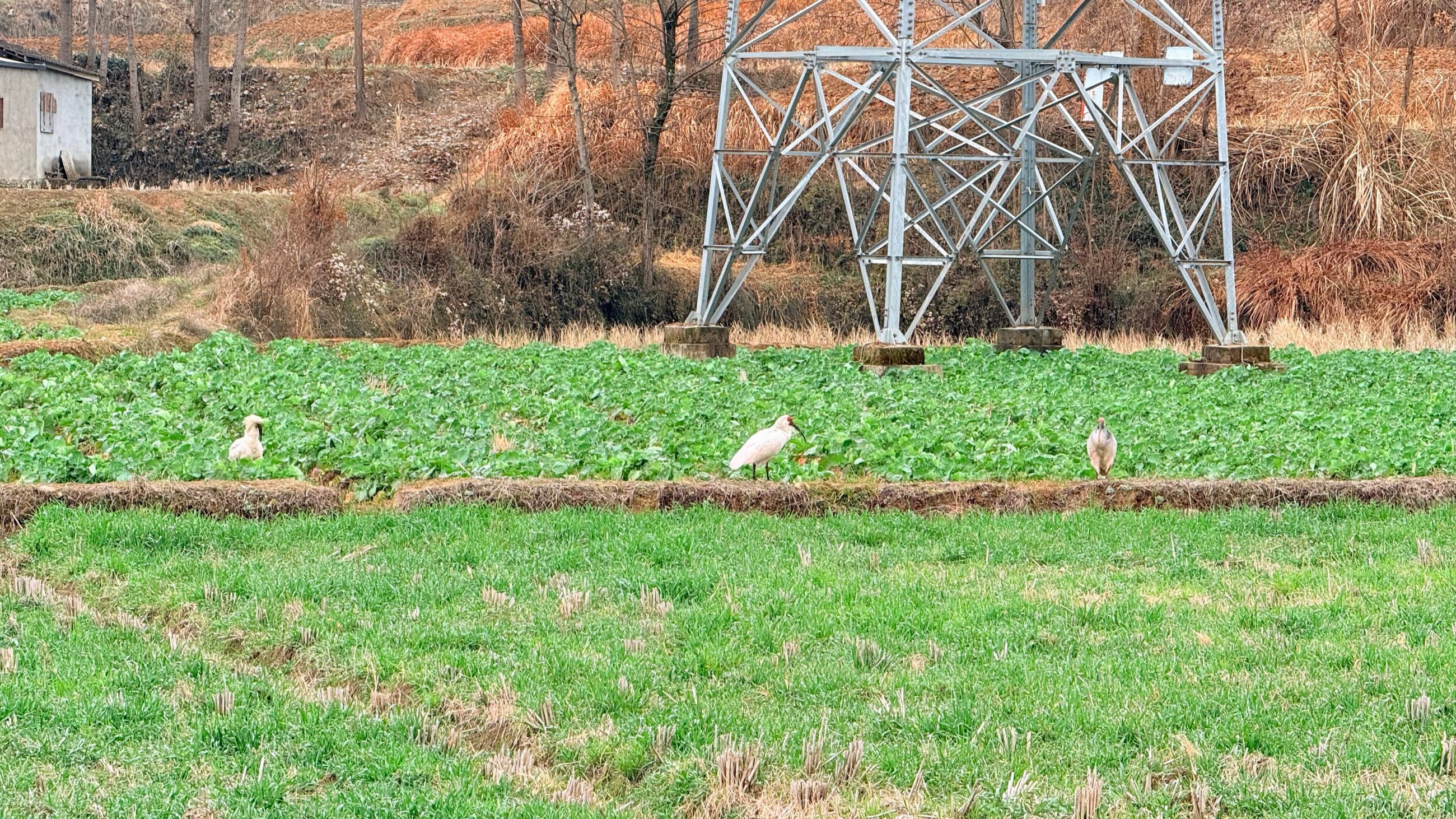
A crested ibis is difficult to confuse with a sparrow. It has a long curved bill, pale plumage that can show a pinkish cast, a red face and a crest. Yet rarity makes even a conspicuous bird hard to find. The 1981 discovery near Yang County followed dedicated searching at a time when the species' wild future was deeply uncertain.
The fact that the group included nestlings mattered. It showed breeding, not only lingering adults. It did not promise that the next winter would be safe. A very small population is exposed to storms, disease, failed nests and chance events. Later genetic research also documents the consequences of the severe bottleneck. The discovery had to be followed by work that made an entire landscape usable for the birds, season after season.
The Field Beside the Forest
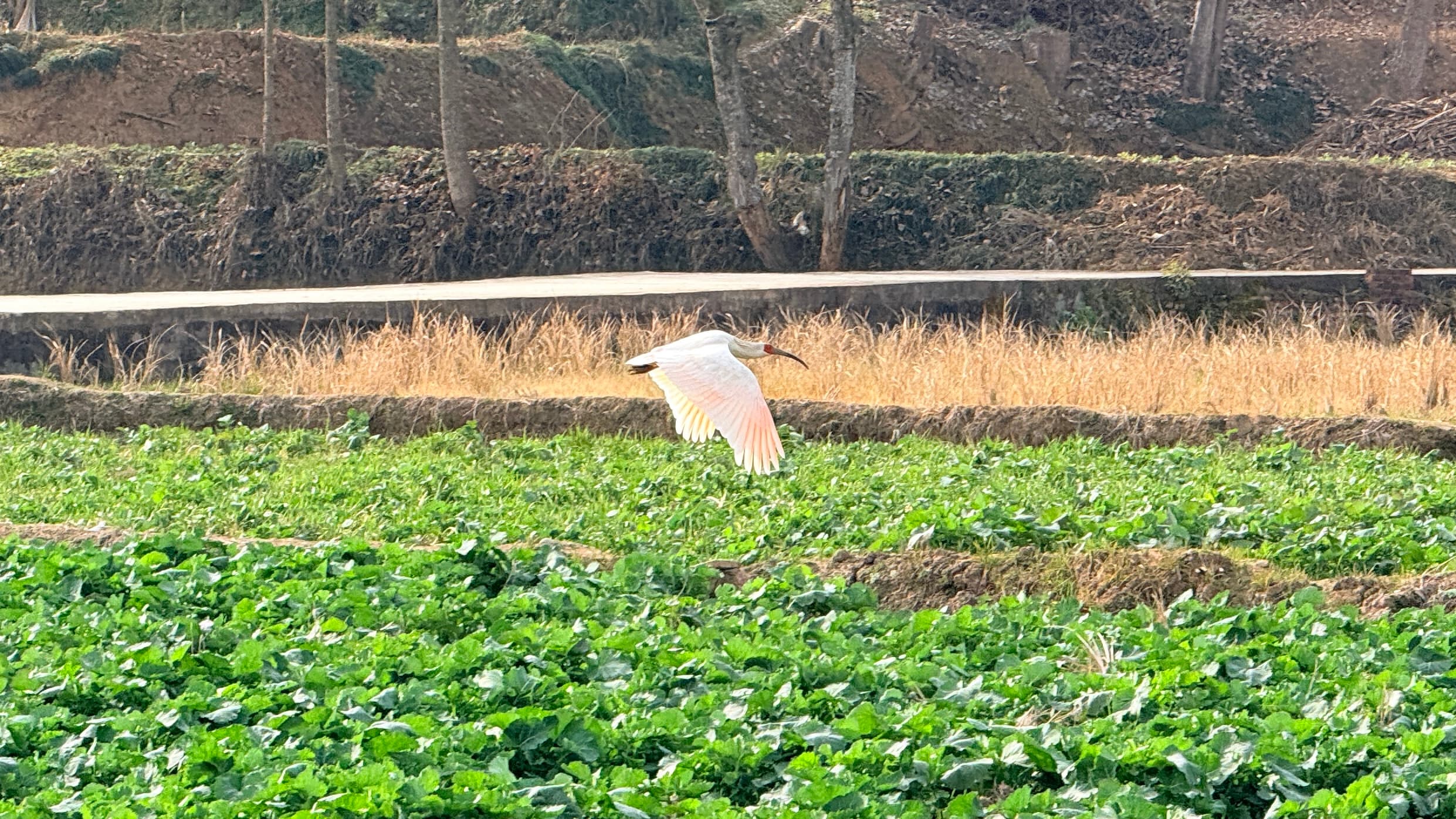
The bird's survival cannot be told only at a nest in a tree. Crested ibises feed in shallow water and wet ground. Research on their habitat shows the importance of the combination of paddy fields, waterways and wooded nesting areas. Winter-flooded rice fields can offer feeding opportunities when other places are less useful. Conservation therefore enters the everyday geography of agriculture.
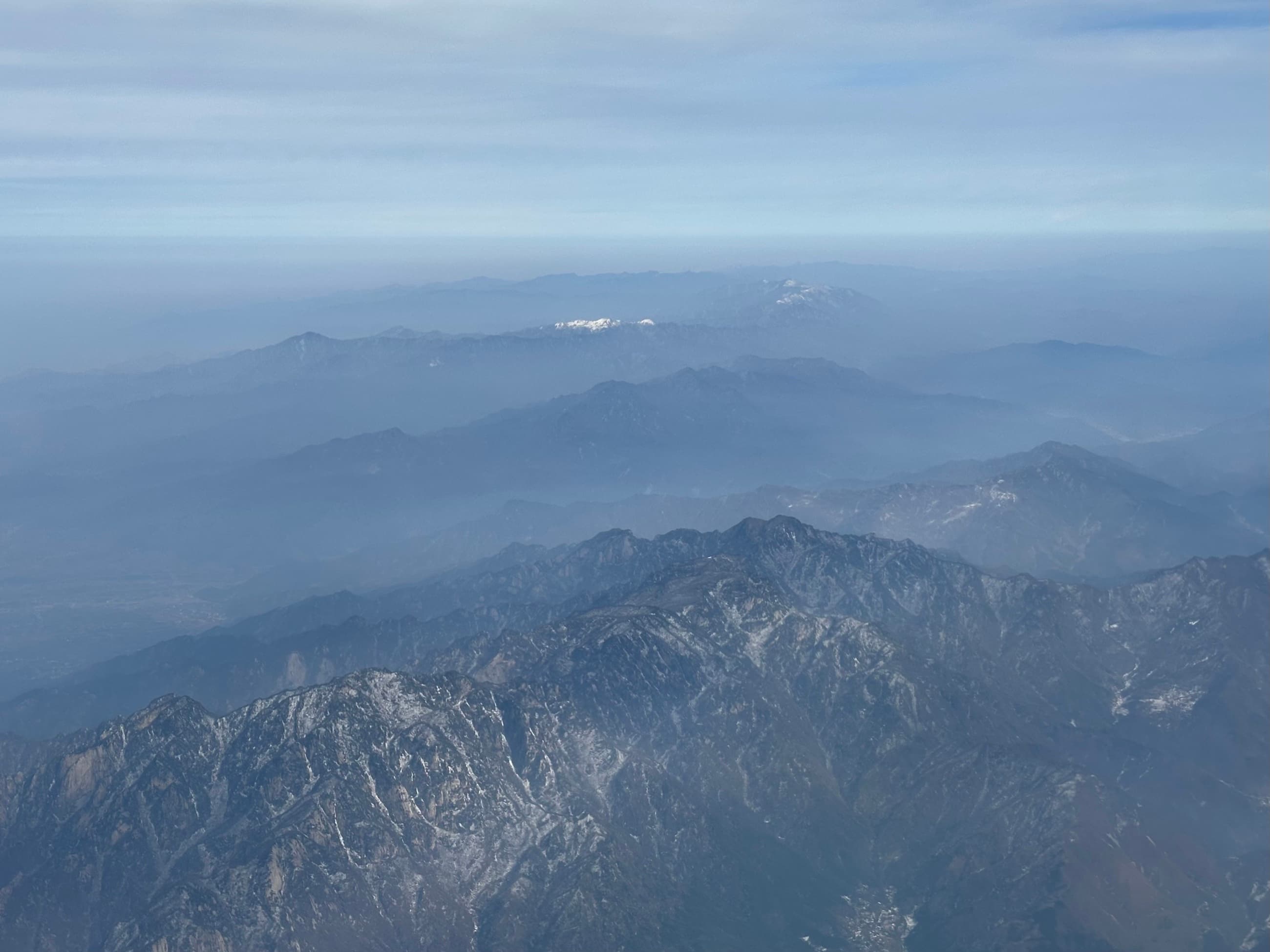
That makes the crested ibis story a collaboration, sometimes a difficult one, between wildlife protection and the people who use the land. A field managed differently, a wet patch retained, a nest protected from disturbance — such choices accumulate. A rare bird can become the visible measure of an entire network of less visible decisions. No single scenic mountain photograph can stand in for those paddies and streams.
A Bird Behind a Barrier
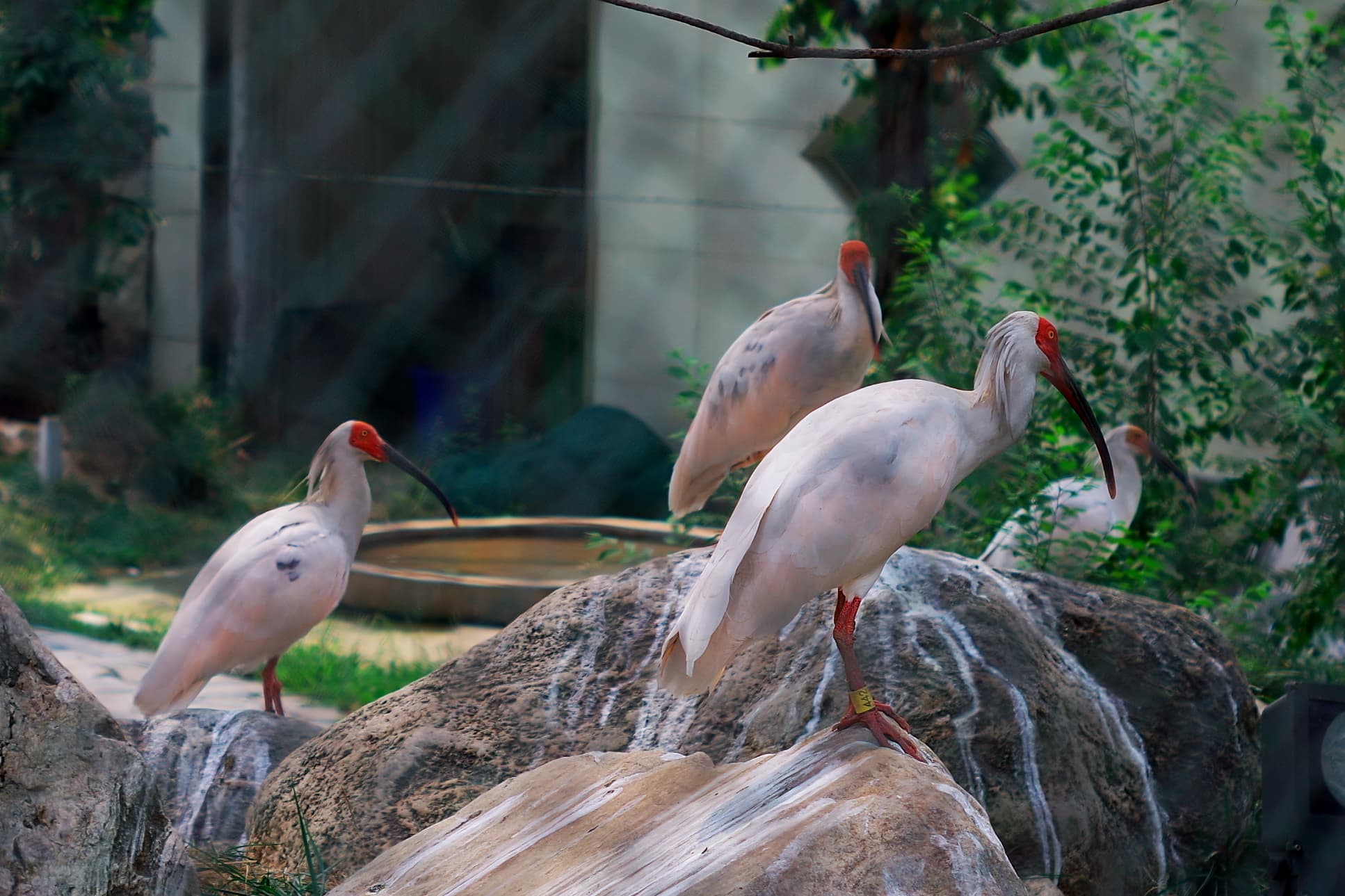
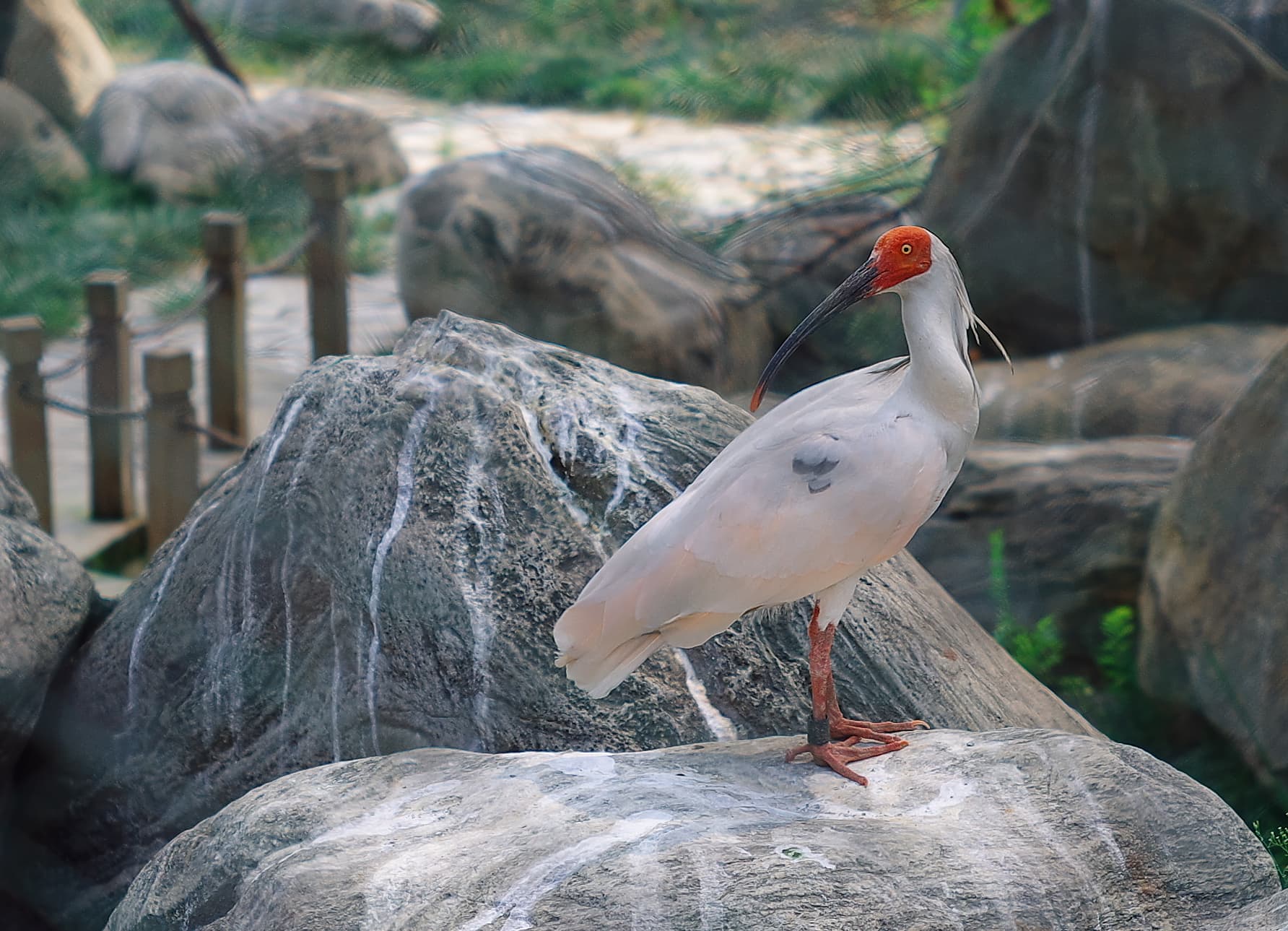
This photograph shows a captive ibis in Xi'an. It is useful for seeing the bird's form up close, but it is not a wild Yang County nest or a 1981 record. Captive breeding became one strand of the species' recovery, alongside protection and management of wild habitat.
The difference between a bird living under care and one surviving through a winter in fields and wetlands is important. Population totals sometimes combine wild and captive birds. A large combined number can demonstrate progress without telling us by itself whether every reintroduced group is self-sustaining.
Image: Danielinblue / Wikimedia Commons, CC BY-SA 3.0; resized for web.
Conservation Is a Repeated Verb
A dramatic rediscovery may attract attention, but the work afterward is repetitive. Nests have to be monitored. Disturbance and poaching have to be addressed. Feeding areas have to remain productive. Captive breeding and release require decisions about health, genetic diversity and where birds can live. Researchers must keep checking whether growing numbers hide new problems.
The 2026 genetic study makes the central tension clear: a population can increase enormously while carrying the imprint of a severe bottleneck. All descendants trace back through very few founders. Recovery therefore cannot mean only counting birds and declaring victory. It also means sustaining enough habitat and managing genetic risk over decades.
A Return Across a Different Sea
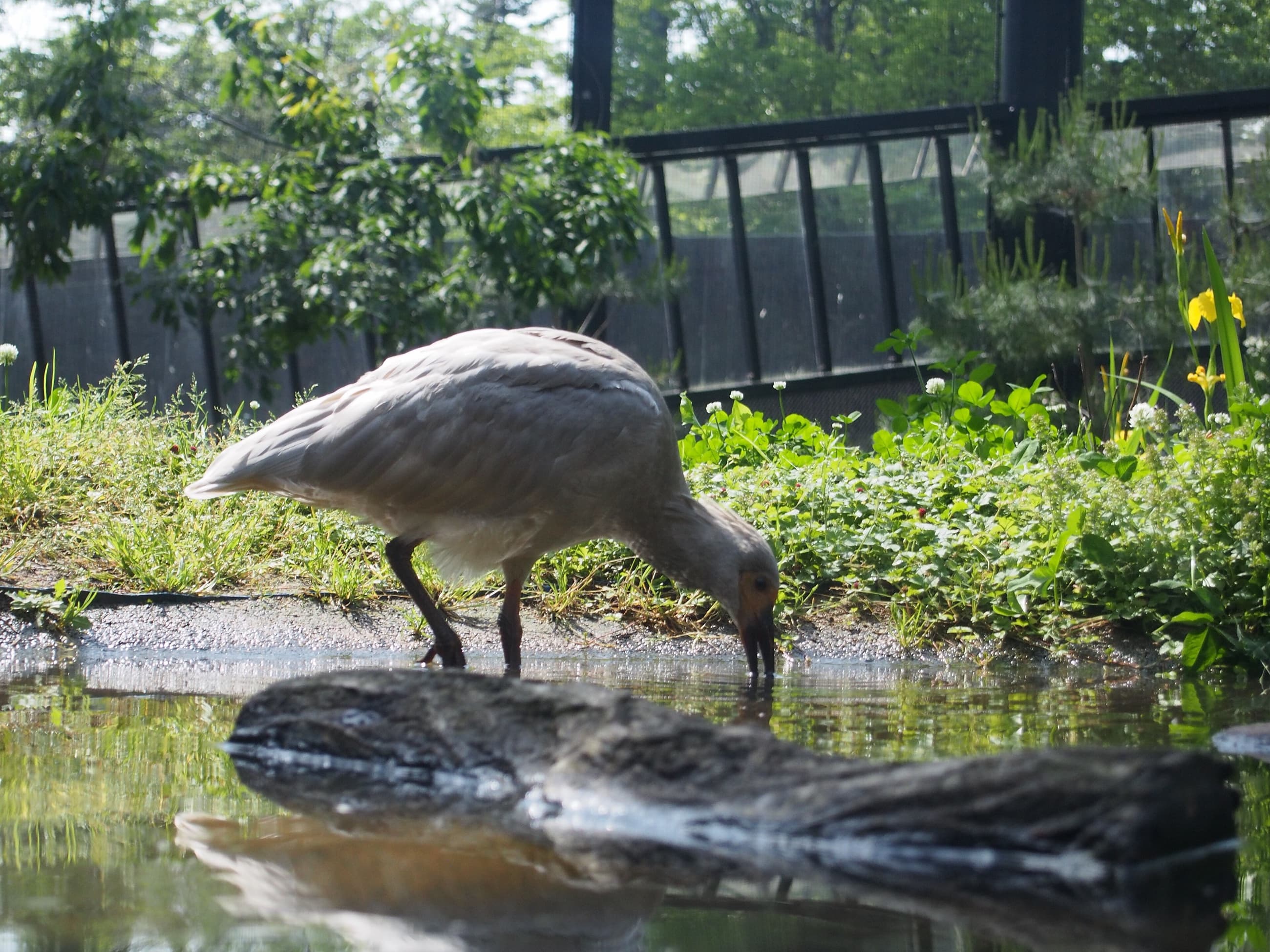
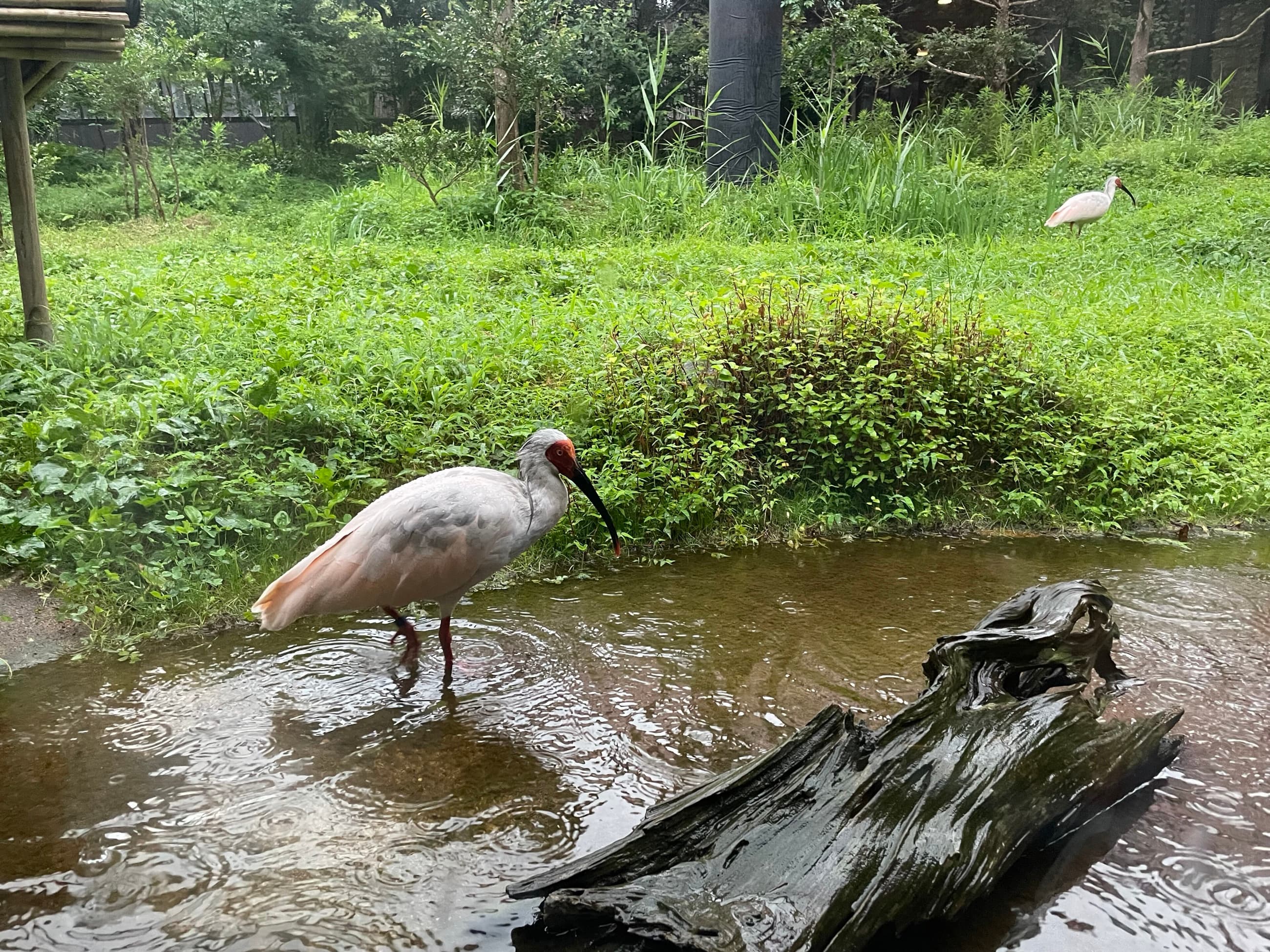
Japan has its own crested-ibis history. The species disappeared from its original Japanese wild population, while captive care and international cooperation helped support later releases on Sado Island. A release began in 2008. That program is connected to the broader survival of the species, but it is not the same event as the Yang County rediscovery.
Images from the Sado conservation centre can show what captive care looks like, as long as they are not used as visual evidence of a Chinese wild nest. The distinction also prevents the story from collapsing several national histories into one sentimental narrative. The ibis crosses human borders in our concern for it, but each program has its own methods, dates and outcomes.
The Same Species, Another Chapter
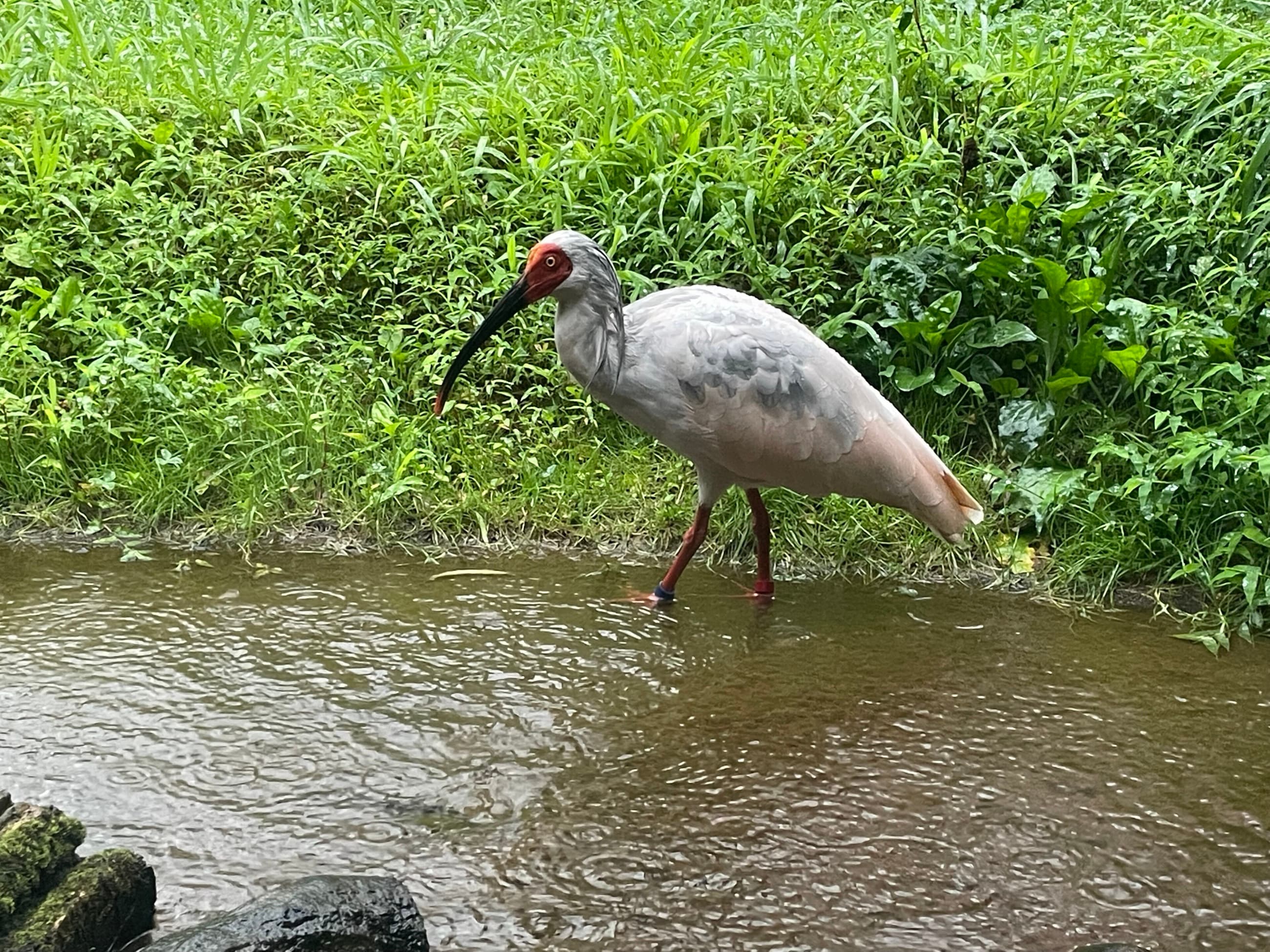
This is a captive bird photographed in Japan, not a bird in Yang County. It belongs here because the crested ibis' survival required work beyond one protected nest. Breeding, knowledge exchange and reintroduction extended the effort into separate places and institutions.
Photographs invite us to treat all pale ibises as interchangeable. Conservation resists that simplification. One bird's setting, parentage and prospects matter. A healthy-looking individual in a centre is encouraging, but its image alone cannot certify the status of a wild population.
Image: Totti / Wikimedia Commons, CC BY-SA 4.0; resized for web.
What a Rising Count Can — and Cannot — Say
Reports have documented a recovery from seven located wild birds to many thousands of crested ibises by the 2020s. Any figure must be tied to its year and to what was counted. Some totals include both wild and captive birds; separate regional programs may use different definitions. The upward direction is extraordinary, but it is not a timeless number that can be copied into every future guide.
Nor does population growth make the species automatically secure. The crested ibis remains a conservation concern, and the founding bottleneck has genetic consequences. More birds are necessary; resilient habitats, multiple viable populations and continued monitoring are necessary too. The most honest success story is one that can still name the work left to do.
The Place Must Be Able to Receive Them
The phrase “bringing a bird back” suggests that one can simply release it into the air. The crested ibis makes a more demanding point. A released bird needs shallow feeding grounds, suitable nesting areas, a tolerable level of disturbance and a landscape that will still work next winter. Recovery is not an event at the moment of release. It is a relationship sustained between bird and place.
For a visitor to Shaanxi, that means looking beyond a single sighting. A field's water, the trees along its edge and the people working nearby belong to the same picture. The bird is charismatic; its habitat is the quieter protagonist. A journey that notices both is more faithful to the recovery than a quick photograph of pink-tinted wings.
A Number That Opened a Question
Seven wild birds in 1981 did not guarantee a comeback. They posed a question: could people keep enough of a living world around them for their descendants to survive? Decades of field protection, research, captive care and landscape management gave a remarkable partial answer.
The word “partial” is not a refusal to celebrate. It is respect for what actually made the recovery possible. The crested ibis is still here not because an uplifting ending was inevitable, but because the work continued after the headlines. Its curved bill over a wet field asks whether that work will continue for the next generation too.