
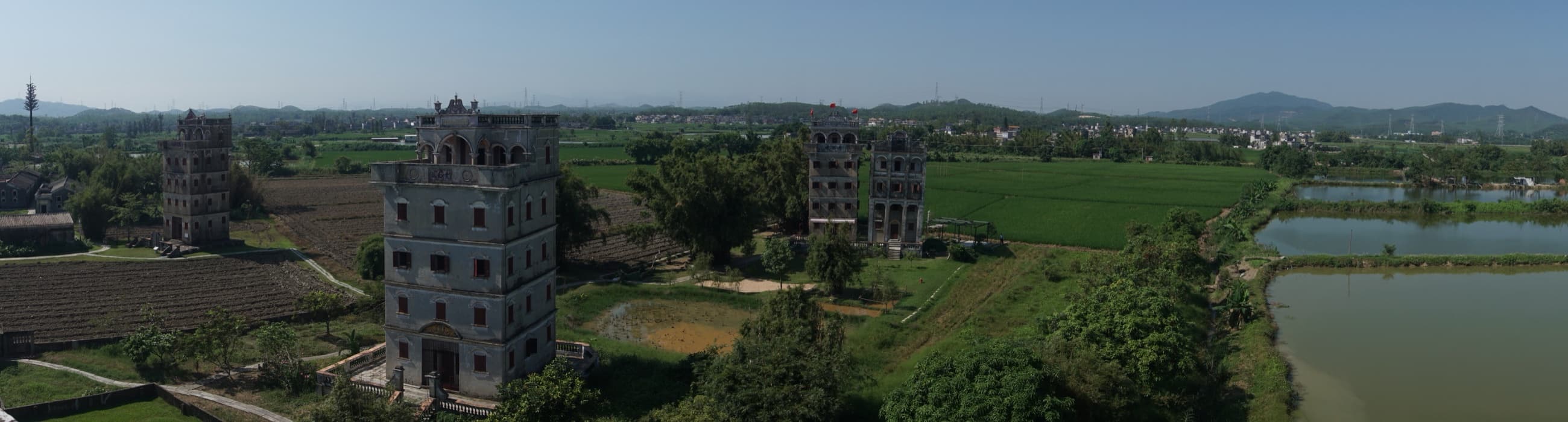
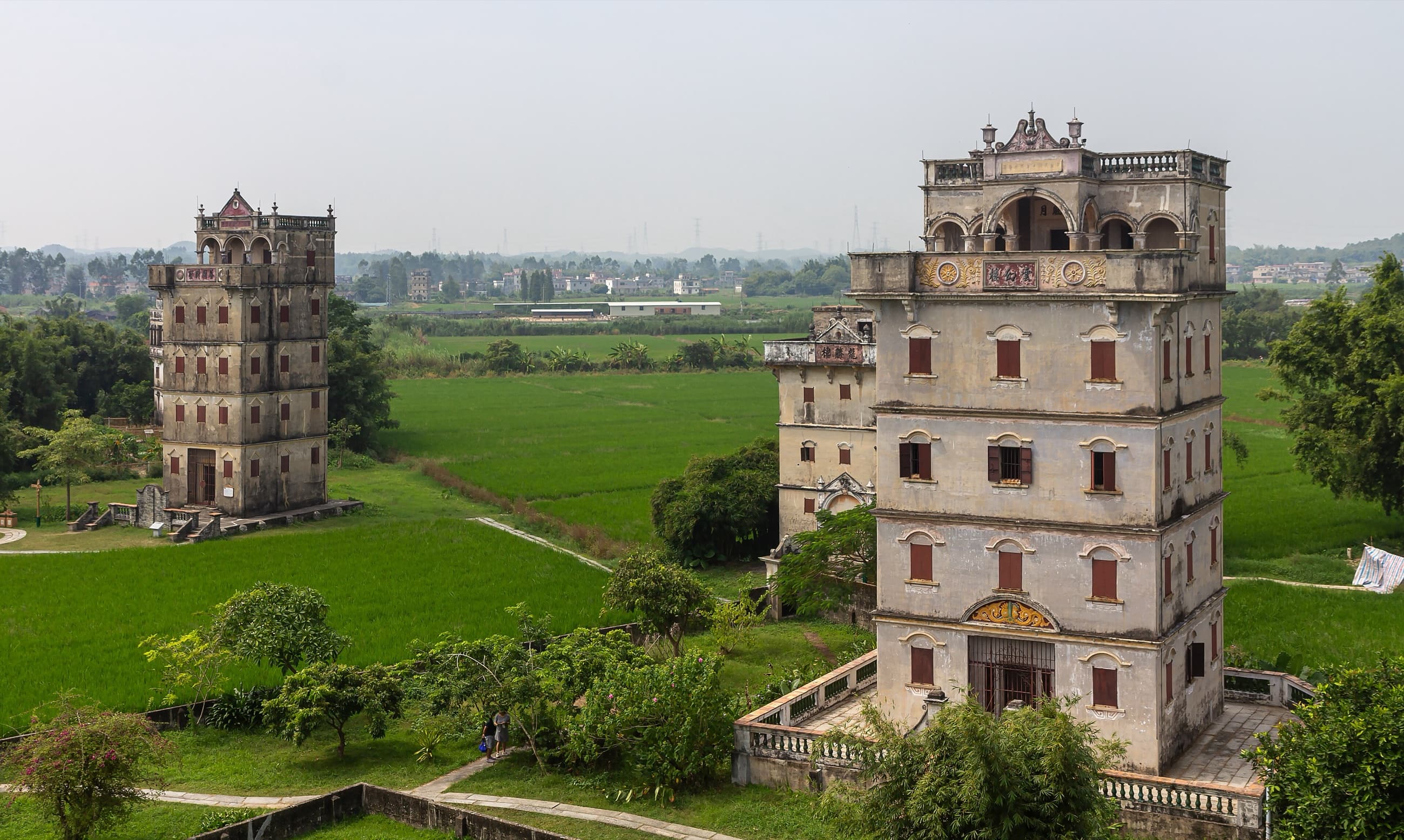
A Kaiping diaolou often tells two stories at once. The upper floors may carry domes, arches, columns or balustrades remembered from cities overseas. Below them are thick walls, iron shutters, narrow openings and elevated entrances designed to resist flood, theft or attack.
The contradiction is the point. From the late nineteenth century into the early twentieth, people from Kaiping migrated through trading and labour networks to Southeast Asia, North America and elsewhere. Money sent home transformed villages. It paid for houses, schools and towers — visible signs of connection and success. The same wealth could make a family or village more attractive to bandits.
Architecture became a letter sent home in concrete: we have travelled; we have prospered; we are still afraid.
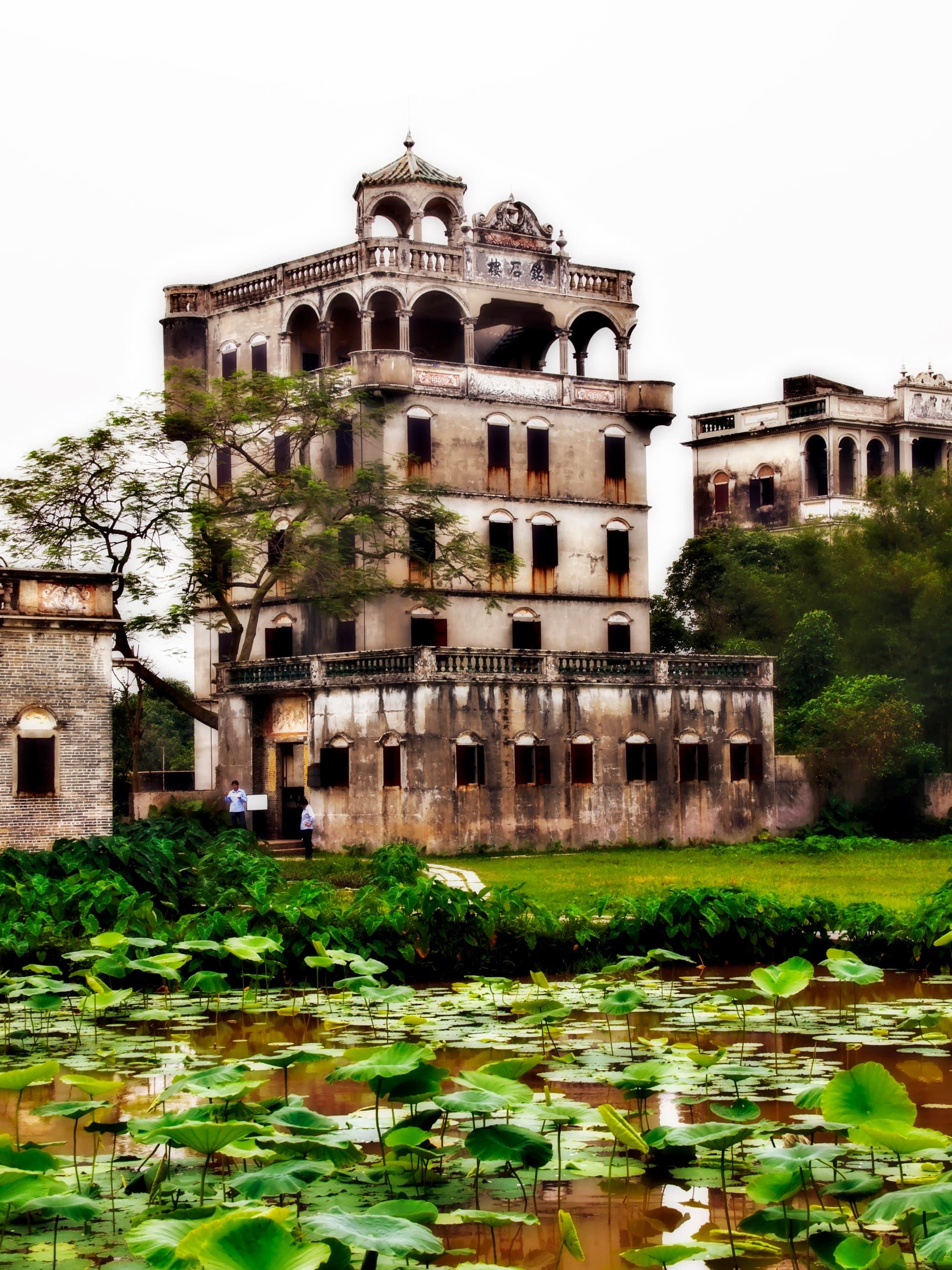
Chicago in a Village Tower
Mingshi Lou was built by Fang Runwen, who had made a life and income in the United States, including Chicago. The tower joined a Chinese village plan to architectural references gathered abroad. Its decorative language did not reproduce one foreign building. It assembled a personal geography of migration.
Calling the result merely ‘Western-style’ misses the agency involved. Overseas migrants and local builders selected, altered and combined forms. Concrete technology, classical motifs and local spatial needs met in a building that could be read differently by family members, neighbours and returning migrants.
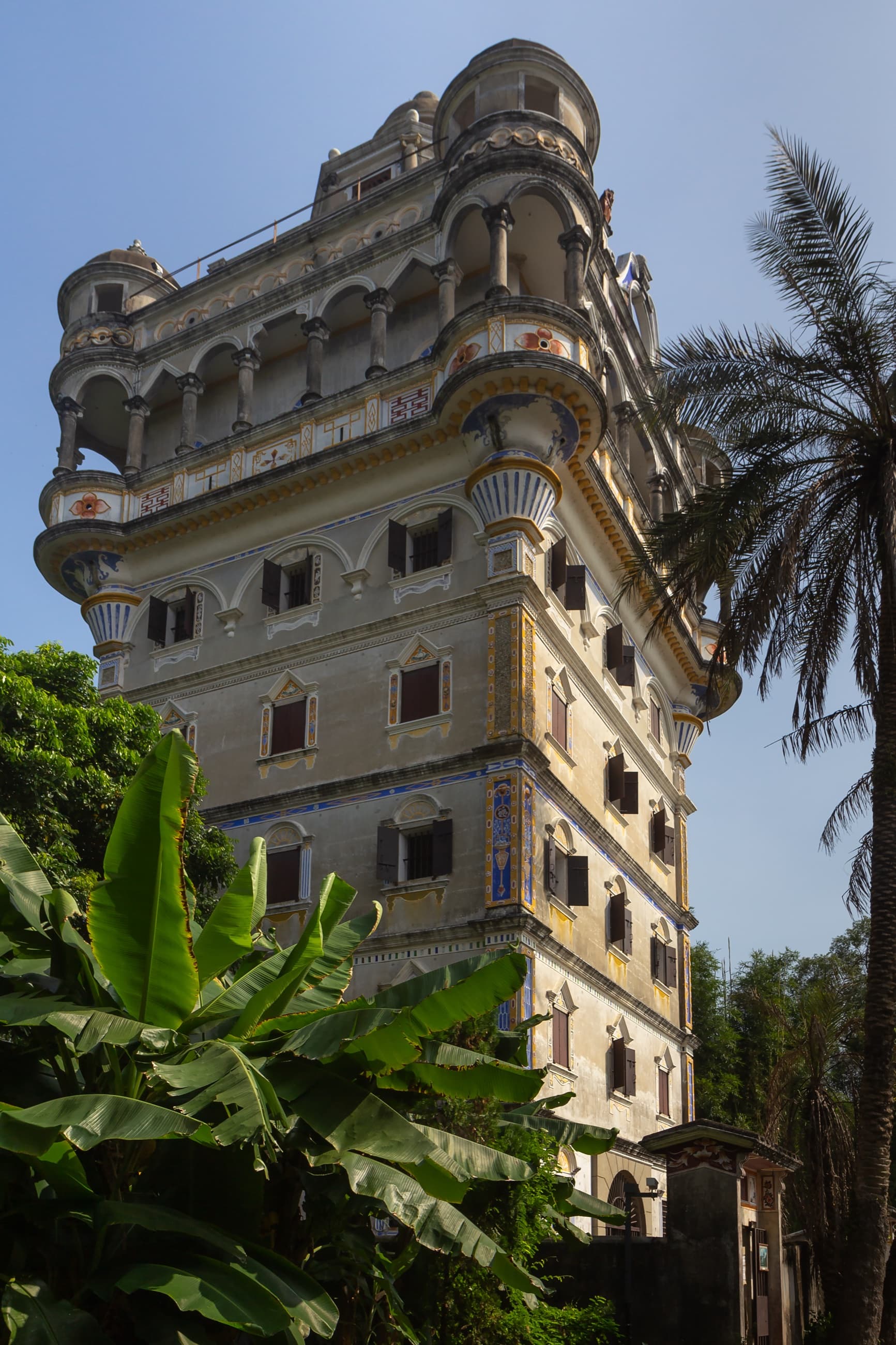
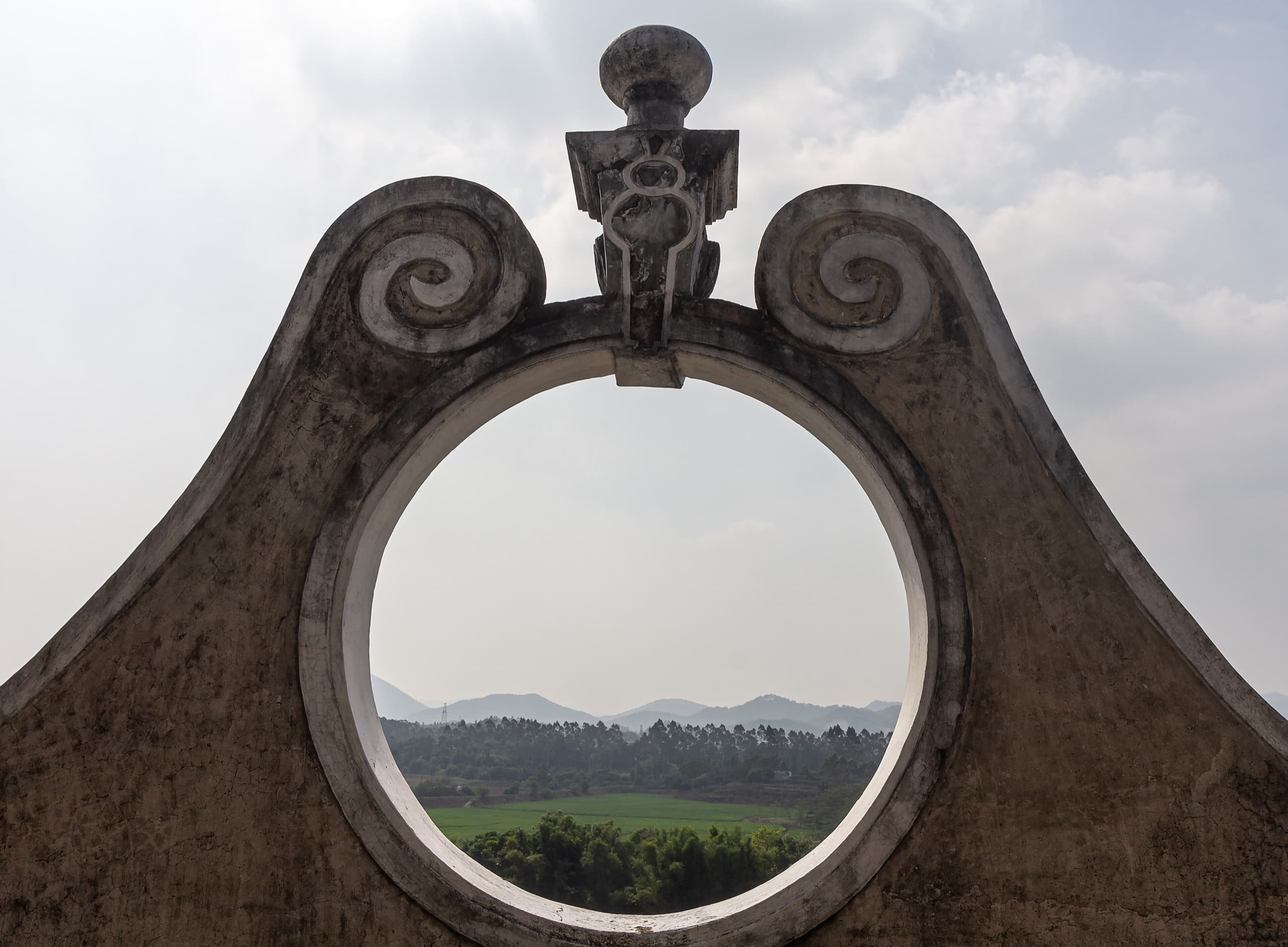
Not Every Tower Was a Private Mansion
UNESCO documentation distinguishes several broad uses. Some diaolou were communal refuge towers funded by several households. Some were fortified residences for wealthy families. Others functioned mainly as watchtowers. The categories overlap, but they prevent one glamorous house from standing in for the entire landscape.
A refuge tower might remain largely empty in ordinary times. Its purpose became clear during flood or violence, when neighbours moved upward behind thick walls. A residence had to accommodate daily domestic life as well as defence. A watchtower extended the village’s eyes across fields and roads.
Twenty-Nine Rooms for an Emergency
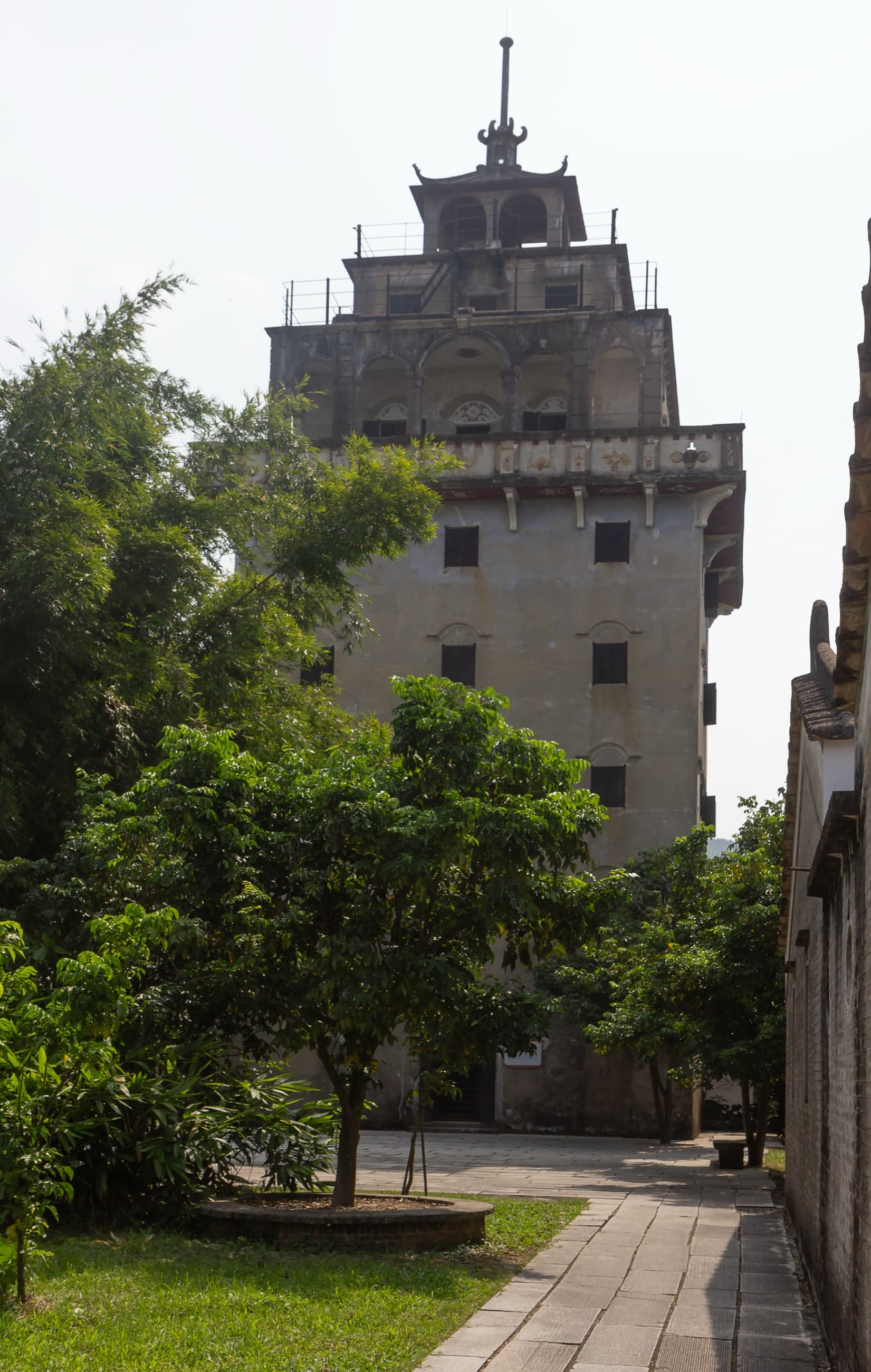
Tianlu Lou was built collectively by 29 households, each associated with a room. It was not a utopian experiment in permanent communal living. It was shared insurance made architectural — a place to shelter when water or bandits made ordinary houses unsafe.
The arrangement turns a tower into a social contract. Families had to contribute, allocate space and preserve access for a crisis no one could schedule. Defence therefore depended on cooperation as much as on concrete.
Image: Tianlu Lou in Majianglong village. Stefan Fussan / Wikimedia Commons, CC BY-SA 3.0; resized for web.
Money Travelled; Families Did Not Move as One
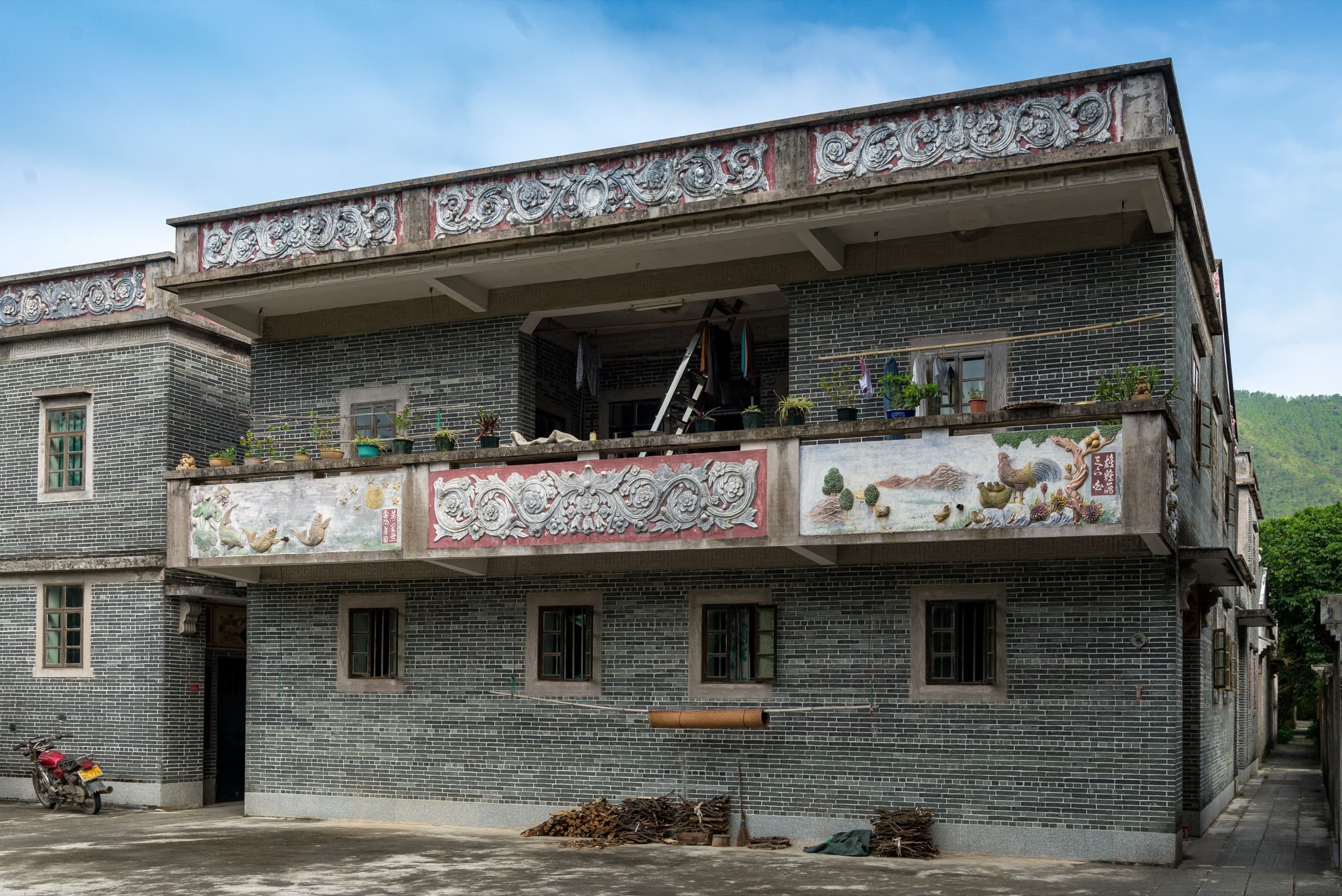
Remittances are sometimes described as if cash flowed cleanly from an overseas worker to a completed house. The human arrangement was more uneven. Migrants could spend years away while spouses, parents and children remained in Kaiping. Building expressed care and obligation, but it could also materialise absence.
A tower might prepare for a return that came late or never. Rooms preserved family status while daily life shifted elsewhere. The diaolou landscape is therefore not only a celebration of mobility. It records the emotional cost of families stretched across borders.
Before the Concrete Palaces
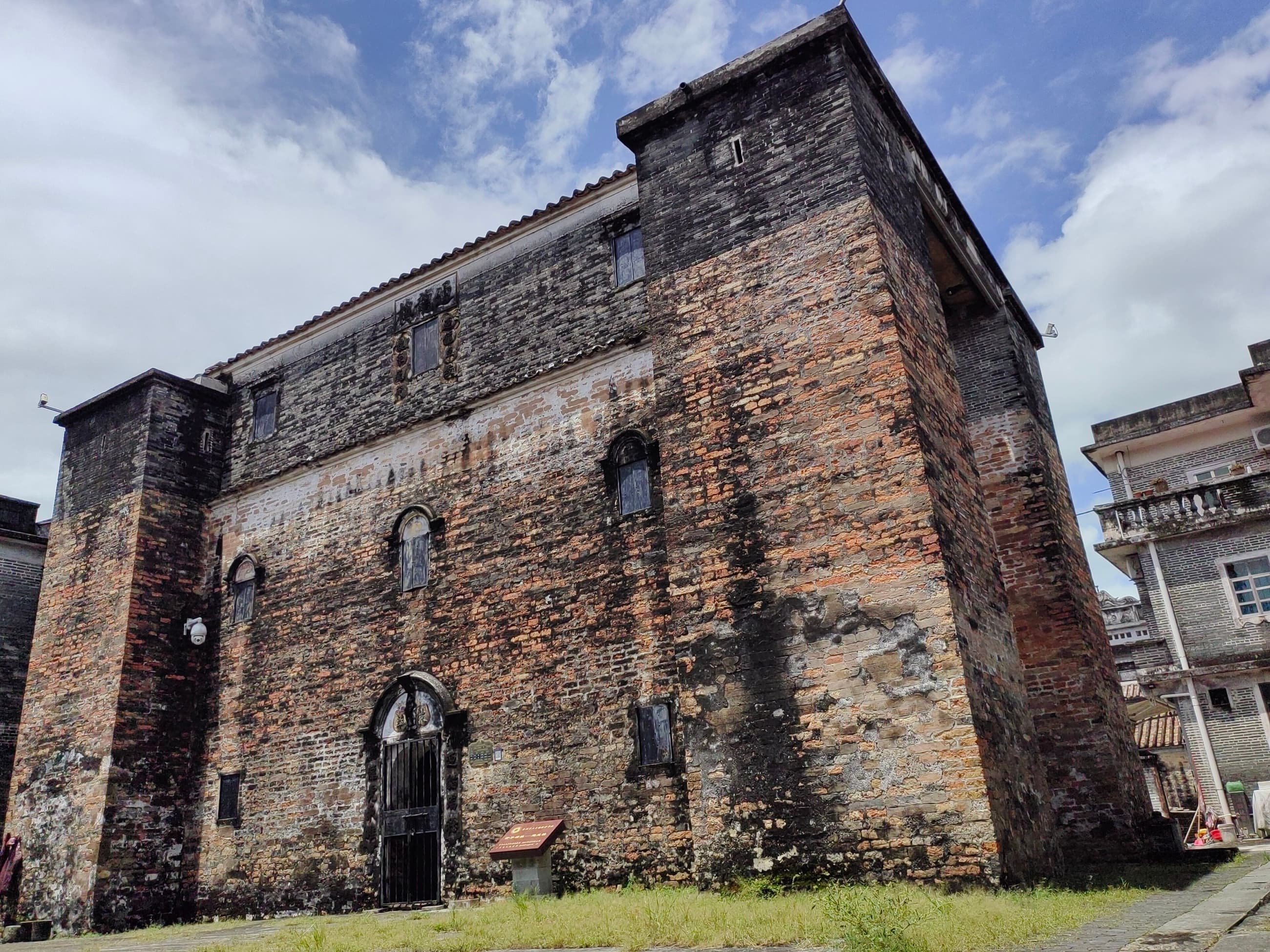
Yinglong Lou represents an earlier, more plainly fortified strand of the tradition. Its defensive character helps correct the impression that diaolou began as flamboyant villas. Protection preceded spectacle, and later towers layered overseas references onto an established need for refuge and surveillance.
Image: Yinglong Lou. Yumeto / Wikimedia Commons, CC BY-SA 4.0; resized for web.
When a Home Becomes Heritage
More than 1,800 diaolou survive across Kaiping, but survival does not mean every building remains a living home. Migration, urbanisation and demographic change have left some rooms lightly used or empty. World Heritage status and tourism bring attention and maintenance resources while also turning intimate family places into public scenery.
The strongest way to read a diaolou is to hold its contradictions together. It is local and global, domestic and defensive, proud and anxious. Its walls are not a frozen foreign style. They are evidence of people trying to build security across distance.