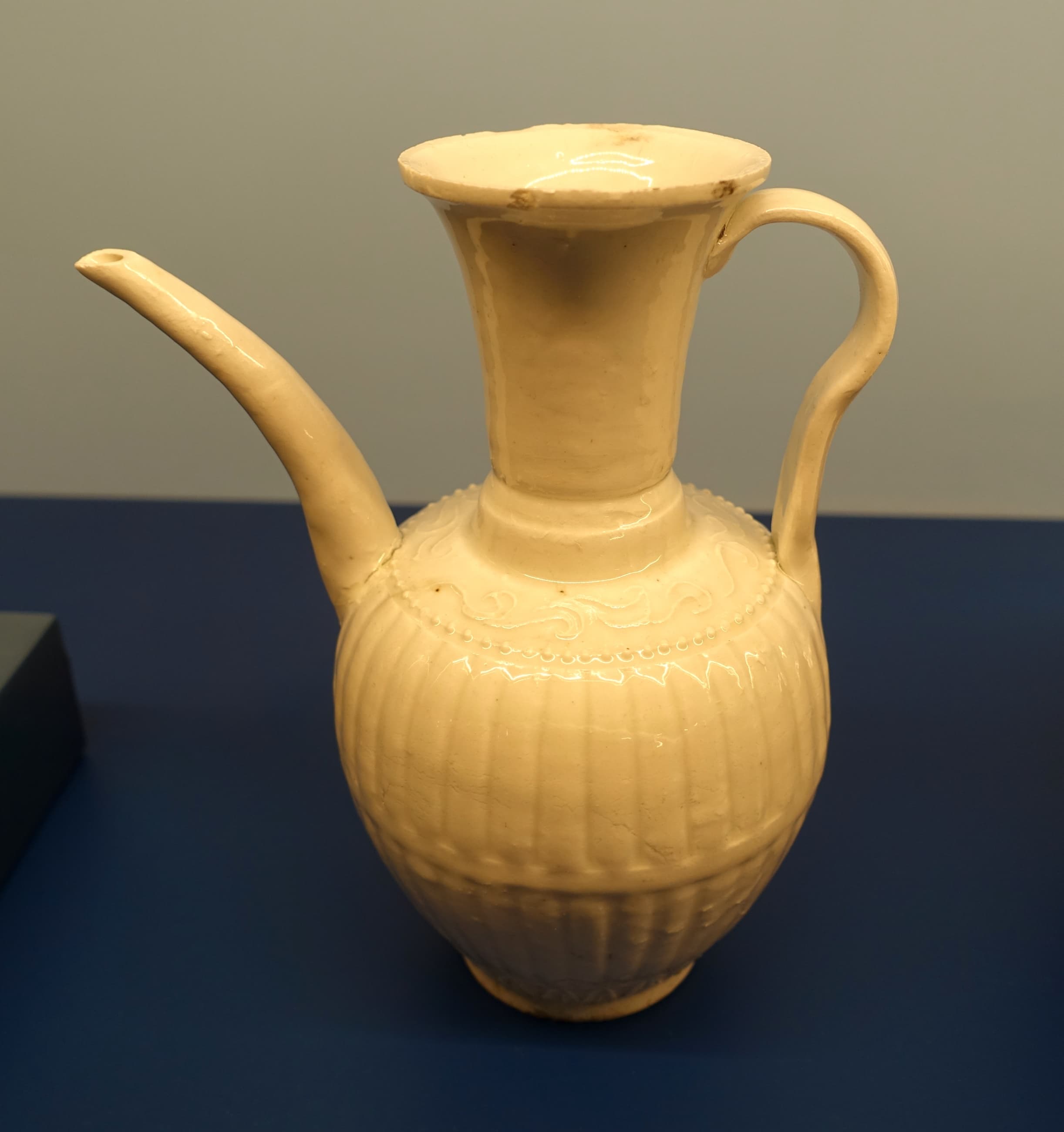
In 1987, a salvage team working off the coast of Guangdong went looking for a different wreck. What it found instead was a wooden ship buried beneath metres of silt, roughly 23 metres below the surface. A few objects came up first: ceramics, metalware and other cargo from a vessel that had sailed during the Southern Song dynasty.
The discovery created an immediate problem. The mud that concealed the ship had also protected it. Expose the timber too quickly and centuries of chemical and physical balance could collapse. Remove the cargo object by object and archaeologists might destroy the relationships between objects, hull and sediment that made the wreck valuable as evidence.
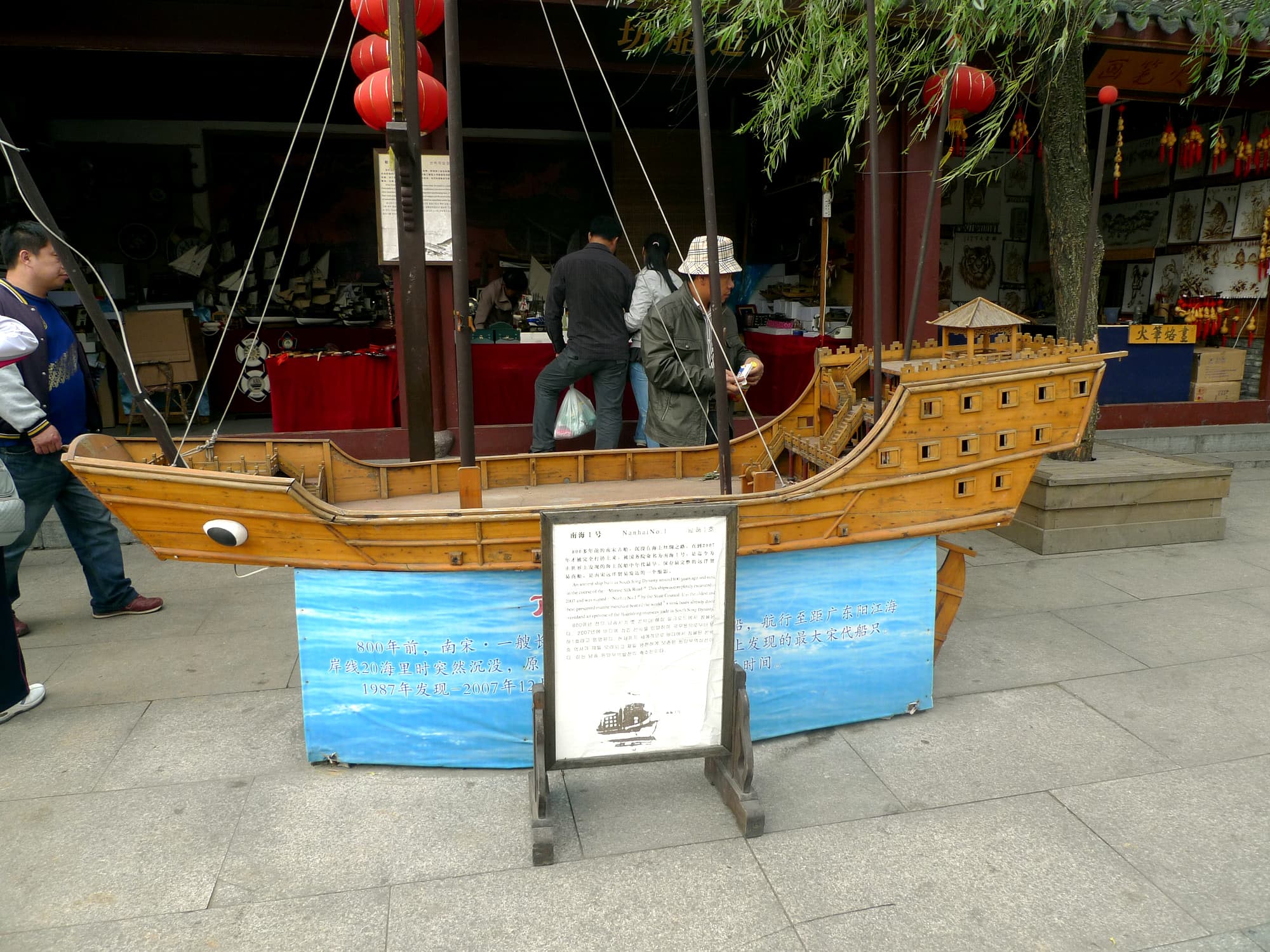
The ship was named Nanhai No. 1. Its excavation would eventually require one of the most unusual decisions in maritime archaeology: do not empty the seabed. Lift a piece of the seabed with the ship still inside it.
A Wreck That Had to Wait
Nanhai No. 1 was not raised immediately. Underwater investigations confirmed an exceptionally rich site, but the technology, funding and conservation plan needed for a whole-wreck recovery did not yet exist. Waiting became part of the archaeological method.
That pause matters. Shipwreck stories are often told as a race to recover treasure before looters or corrosion win. Here, restraint protected information. The cargo was not simply a collection of beautiful things. Its stacks, clusters and concreted masses recorded how merchants packed a working ship. The sediment around the hull held clues to the wrecking event and the vessel’s long burial.
A Steel Box Around a Piece of Seabed
Engineers designed a giant steel caisson large enough to enclose the wreck and the sediment immediately surrounding it. In 2007, the caisson was driven down around the site, sealed beneath the hull and lifted as a single mass weighing thousands of tonnes.
The operation deliberately preserved uncertainty. Archaeologists did not need to decide underwater which lump of mud mattered. They moved the problem into a controlled building, where the sediment could be removed slowly, mapped layer by layer and kept wet while conservation teams watched the timber.
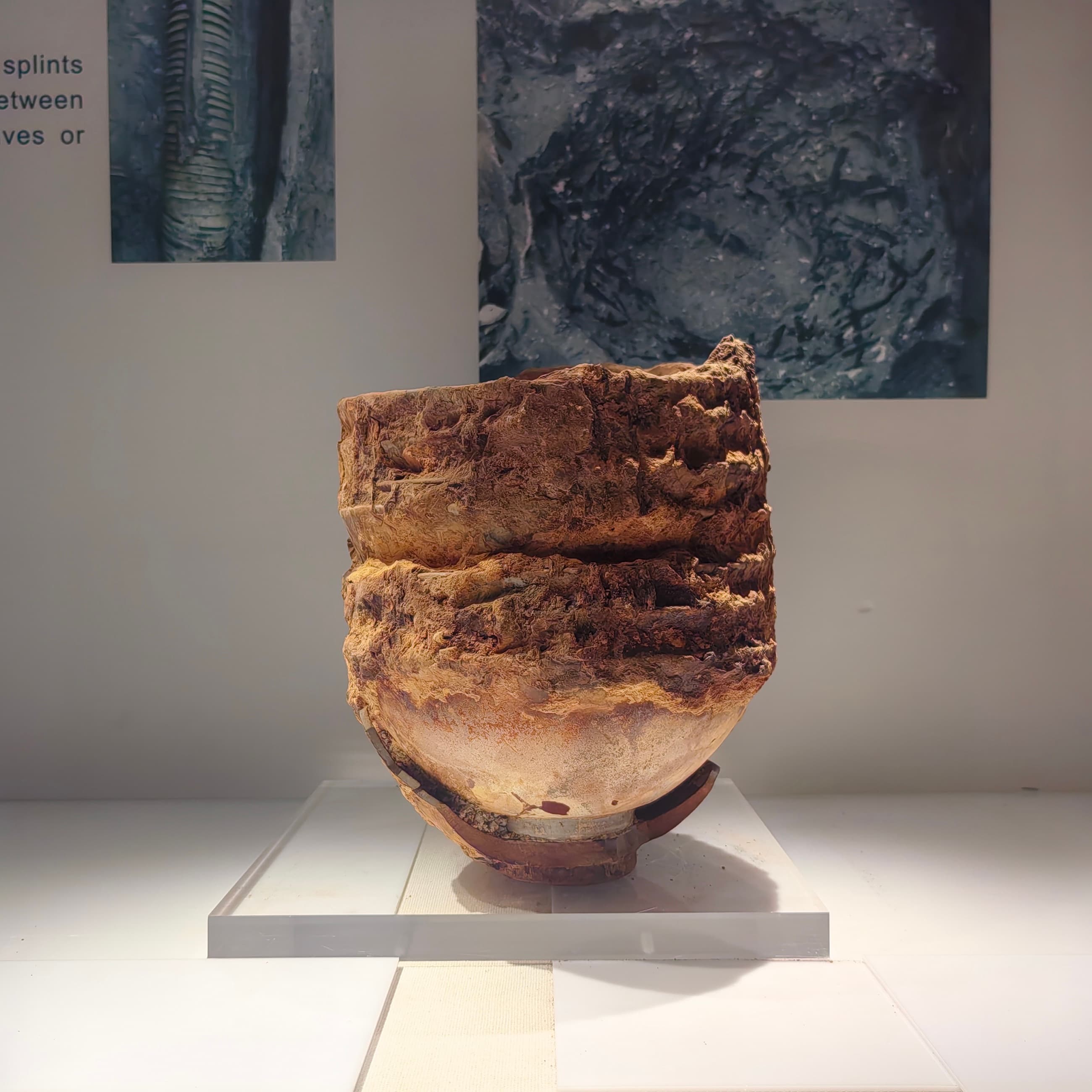
The concreted cargo shown here makes the logic visible. Small vessels were packed inside or beside larger ones. Separating them before recording their positions would turn a shipping practice into a cabinet of isolated objects.
Image: a large jar and nested ceramics held in marine concretion. Yumeto / Wikimedia Commons, CC BY-SA 4.0; resized for web.
A Museum Built as a Conservation Machine
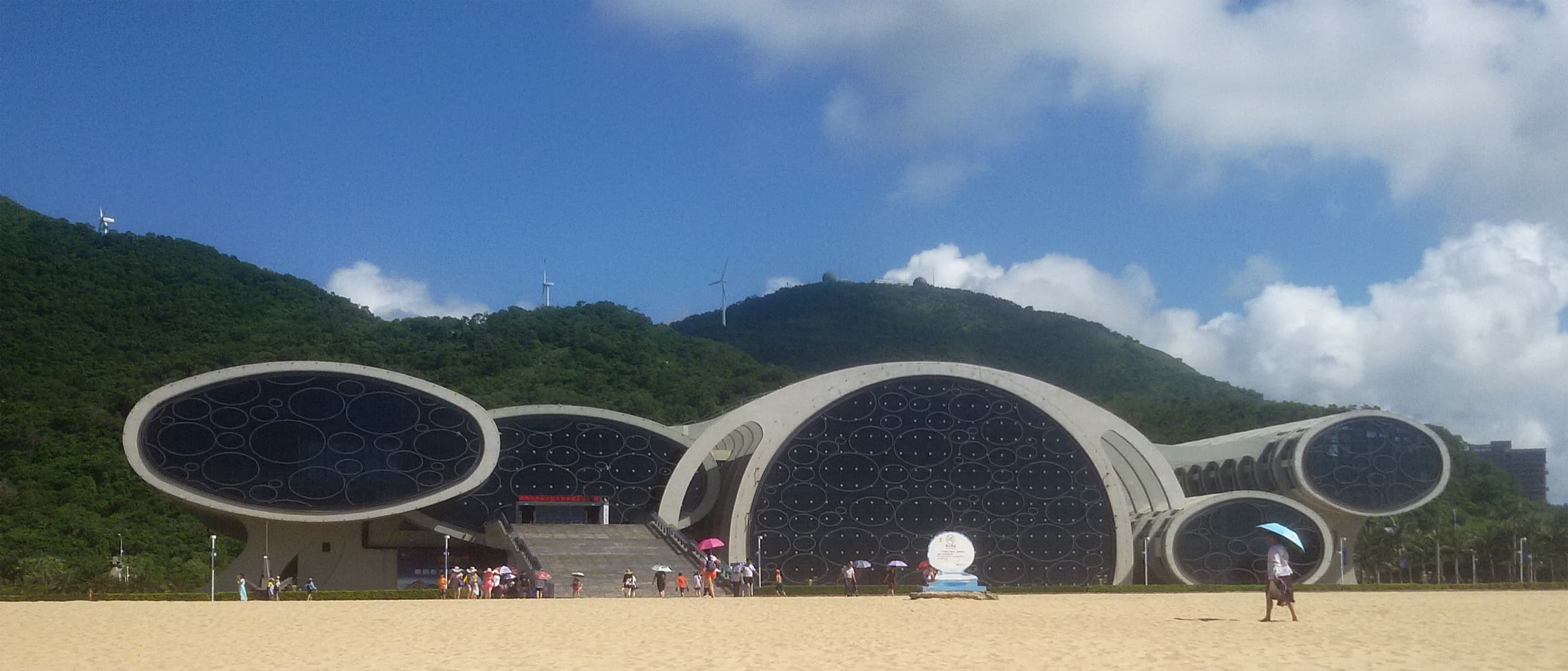
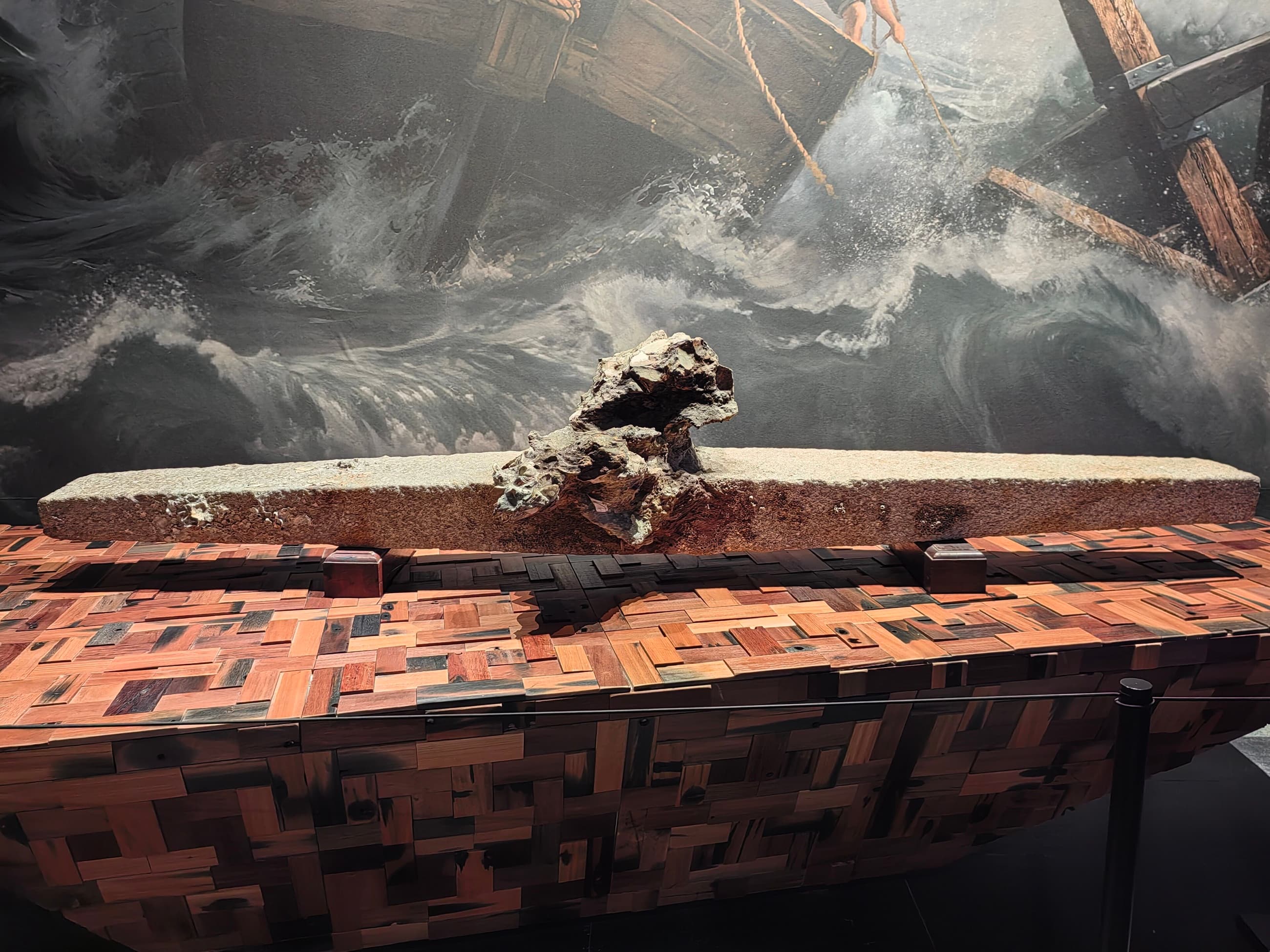
The caisson was transferred to the Maritime Silk Road Museum of Guangdong, where the wreck sits inside a purpose-built, water-controlled hall often called the Crystal Palace. Visitors do not encounter a finished ship neatly restored for display. They see an excavation that has moved indoors.
This reverses the usual museum sequence. Normally, research and conservation happen behind closed doors before an object enters a gallery. At Nanhai No. 1, the archaeological site itself became the central exhibit. Mud, water, scaffolding and incomplete knowledge are not hidden; they are part of the story.
Cargo Is a Verb
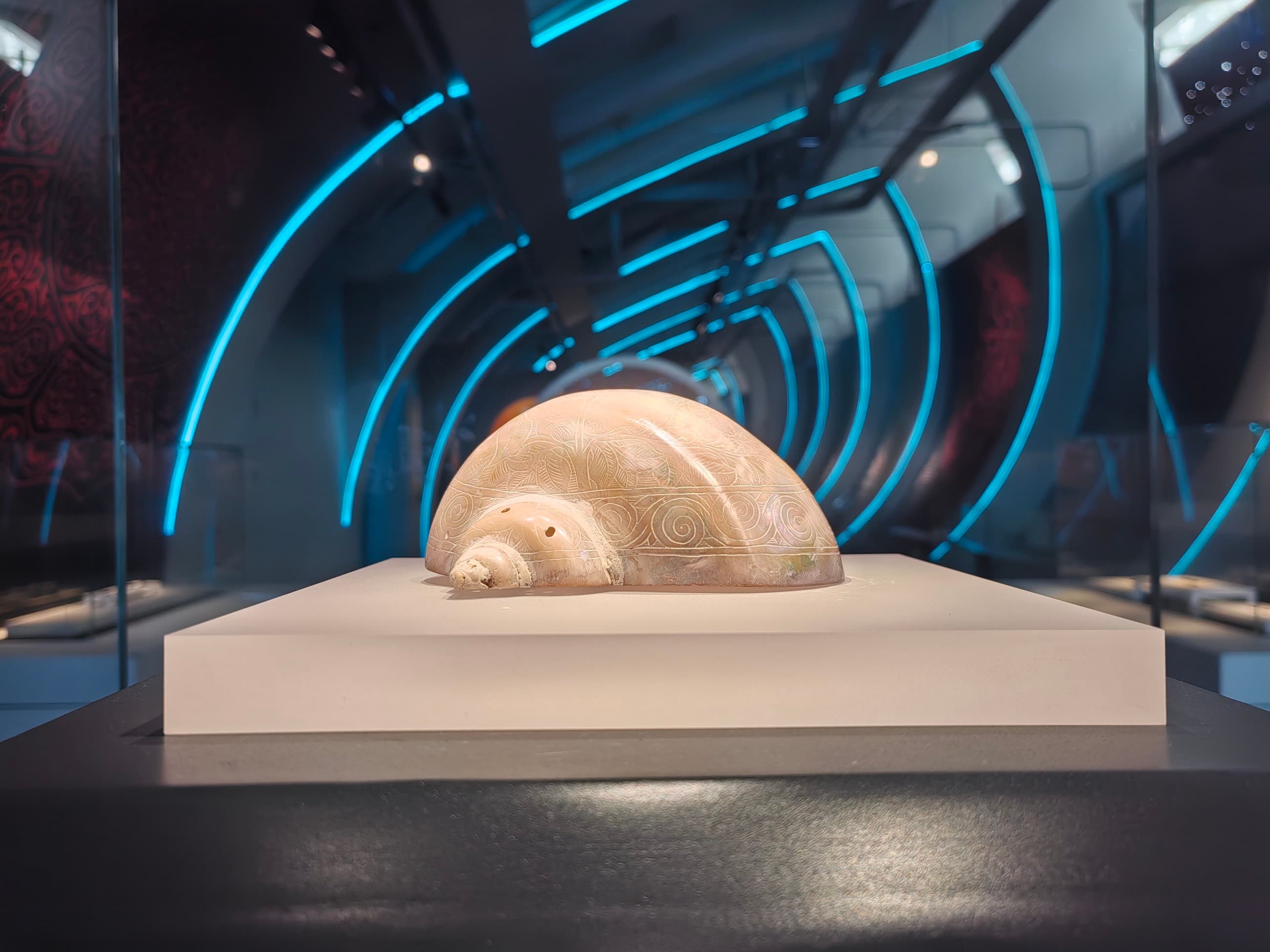
By 2023, official accounts placed the number of recovered items above 180,000. The total is tied to a continuing excavation and should not be treated as a timeless final count. More important than the number is what the cargo can connect. Kiln products from different regions, metal objects, coins, personal pieces and ship equipment point toward networks of production, assembly and exchange.
A bowl on its own can be dated and admired. A group of bowls nested inside a jar can show packing practice. Repeated forms may reveal market demand. Wear, breakage and placement can distinguish goods for sale from objects used aboard. Maritime archaeology becomes most powerful when it keeps those relationships intact.
A Trading Route Preserved in Stacks
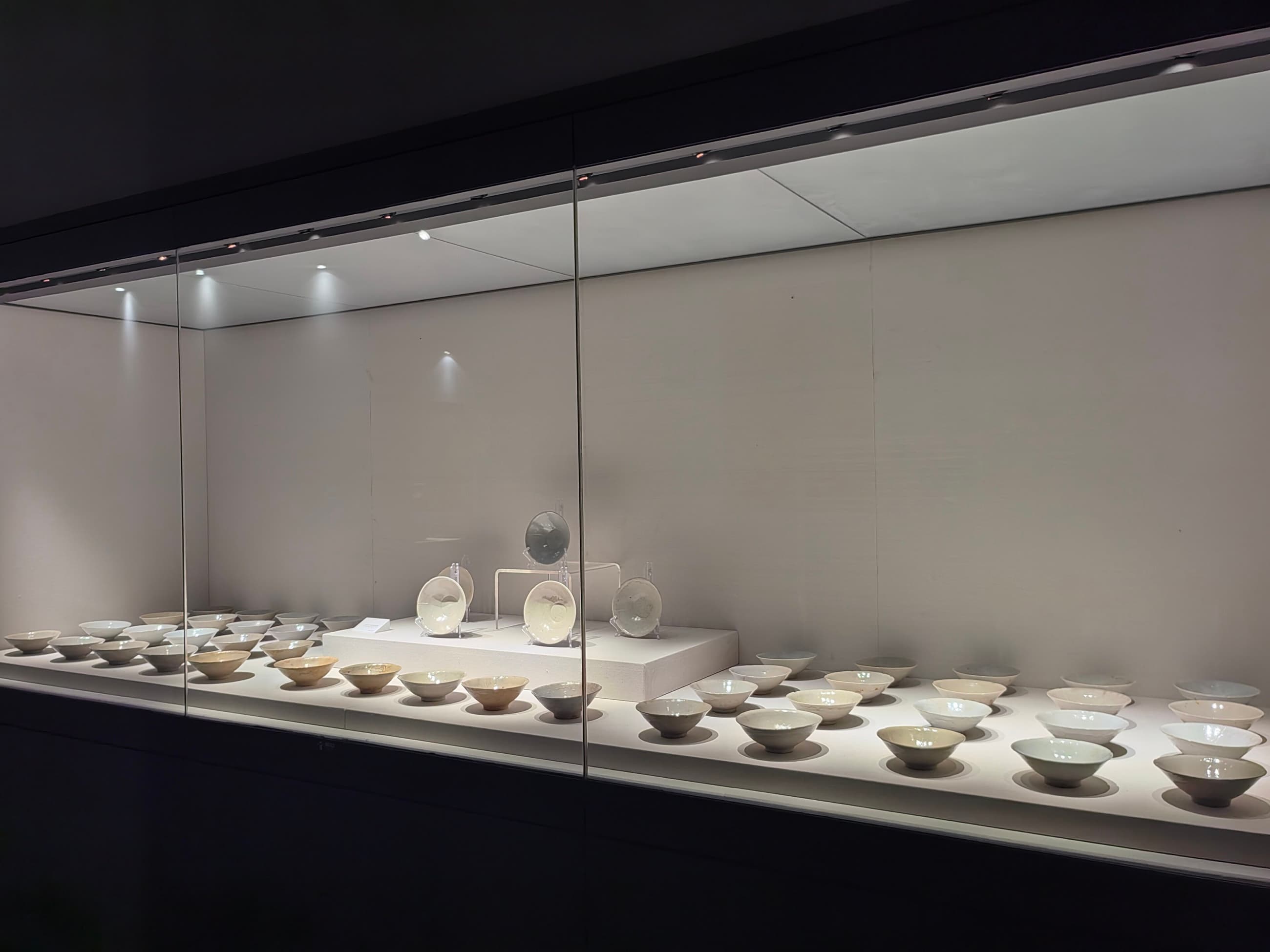
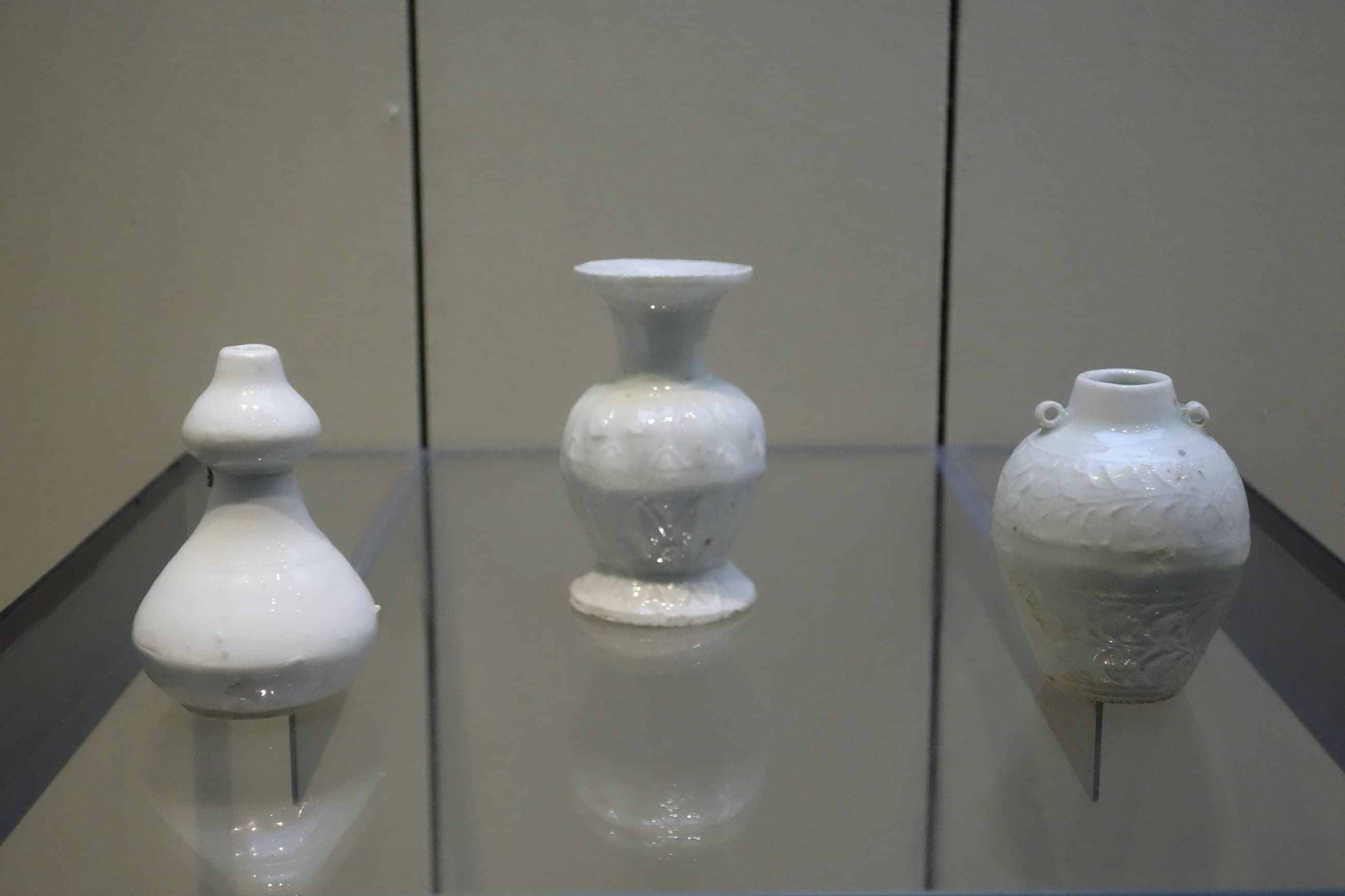
These bluish-white bowls were not arranged for a museum display when the ship sank. They were freight. Their repeated form and dense packing belong to the economics of an ocean voyage as much as to ceramic history.
Nanhai No. 1 is often used to illustrate the Maritime Silk Roads, but the phrase can become too smooth. Real maritime trade depended on heavy cargo, limited hold space, changing winds, port taxes, sailors, risk and loss. The wreck gives that abstraction weight.
Image: bluish-white glazed bowls with incised decoration, displayed at the Maritime Silk Road Museum of Guangdong. Yumeto / Wikimedia Commons, CC BY-SA 4.0; resized for web.
The Value of Not Knowing Too Soon
The most radical part of the Nanhai No. 1 project was not its scale. It was the decision to preserve context before researchers knew every question they would later ask. A steel box protected not only a ship but the possibility of future interpretation.
That is why the wreck remains compelling even after spectacular objects have entered display cases. Its central lesson is methodological: sometimes archaeology advances by resisting the urge to separate, clean and complete. The mud around an object may be part of the object’s history. The unfinished excavation may be the most honest exhibition.