
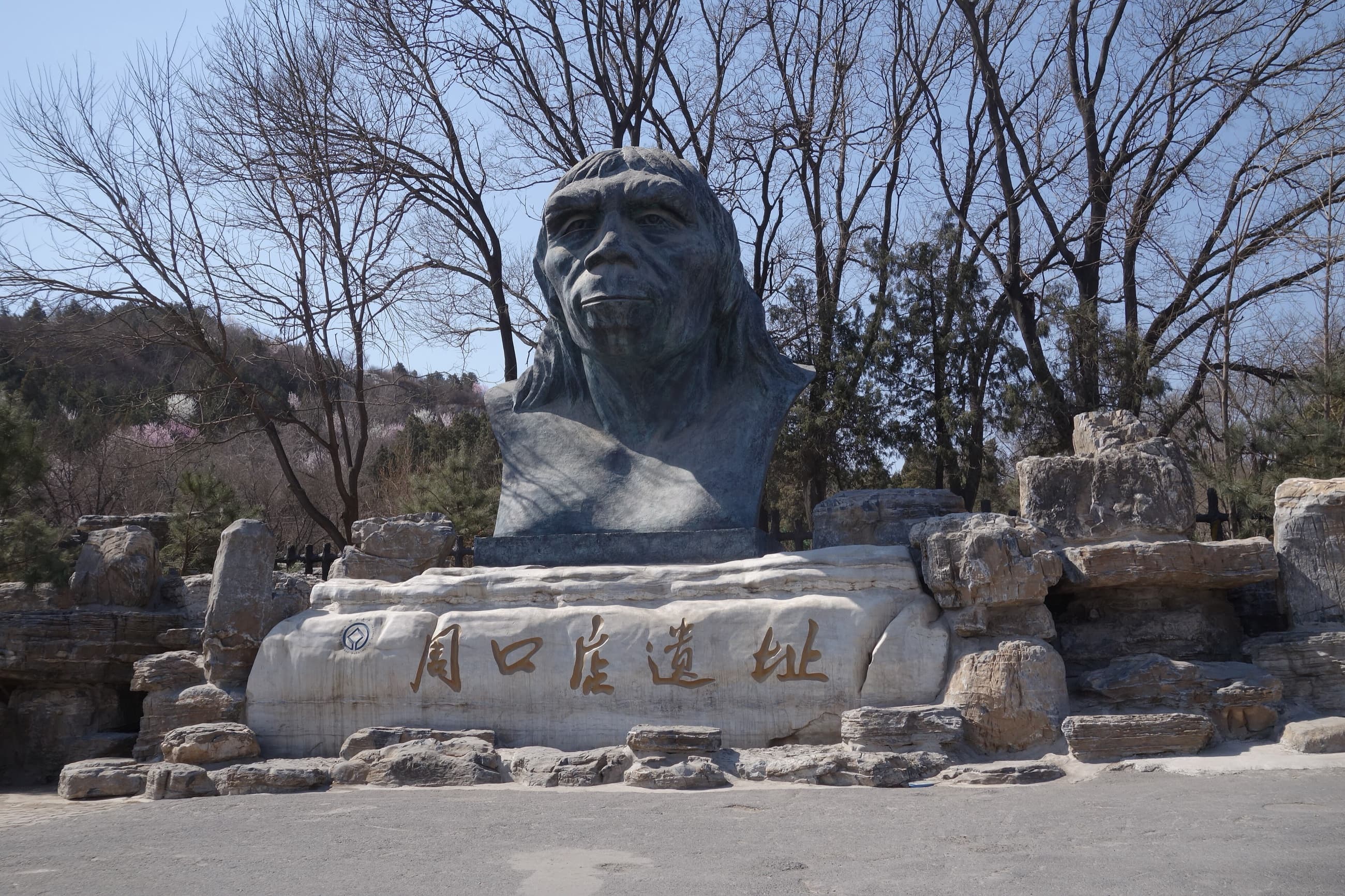
One of the most important collections in the history of human-origins research disappeared without a confirmed final trace. In 1941, as war tightened around Beijing, the original fossils known as Peking Man were packed for transport to safety. They never reached their destination.
The missing collection included skullcaps, jaws, teeth and other remains excavated at Zhoukoudian, southwest of the city. Searches and theories have continued for decades, but no account of their fate has been proved.
Yet the fossils did not disappear completely from science. Before they were lost, researchers had made casts, measurements, drawings, photographs and detailed descriptions. Those records became a second body of evidence — less complete than the originals, but strong enough to keep the discovery open to study.
A Skullcap in the Winter Soil
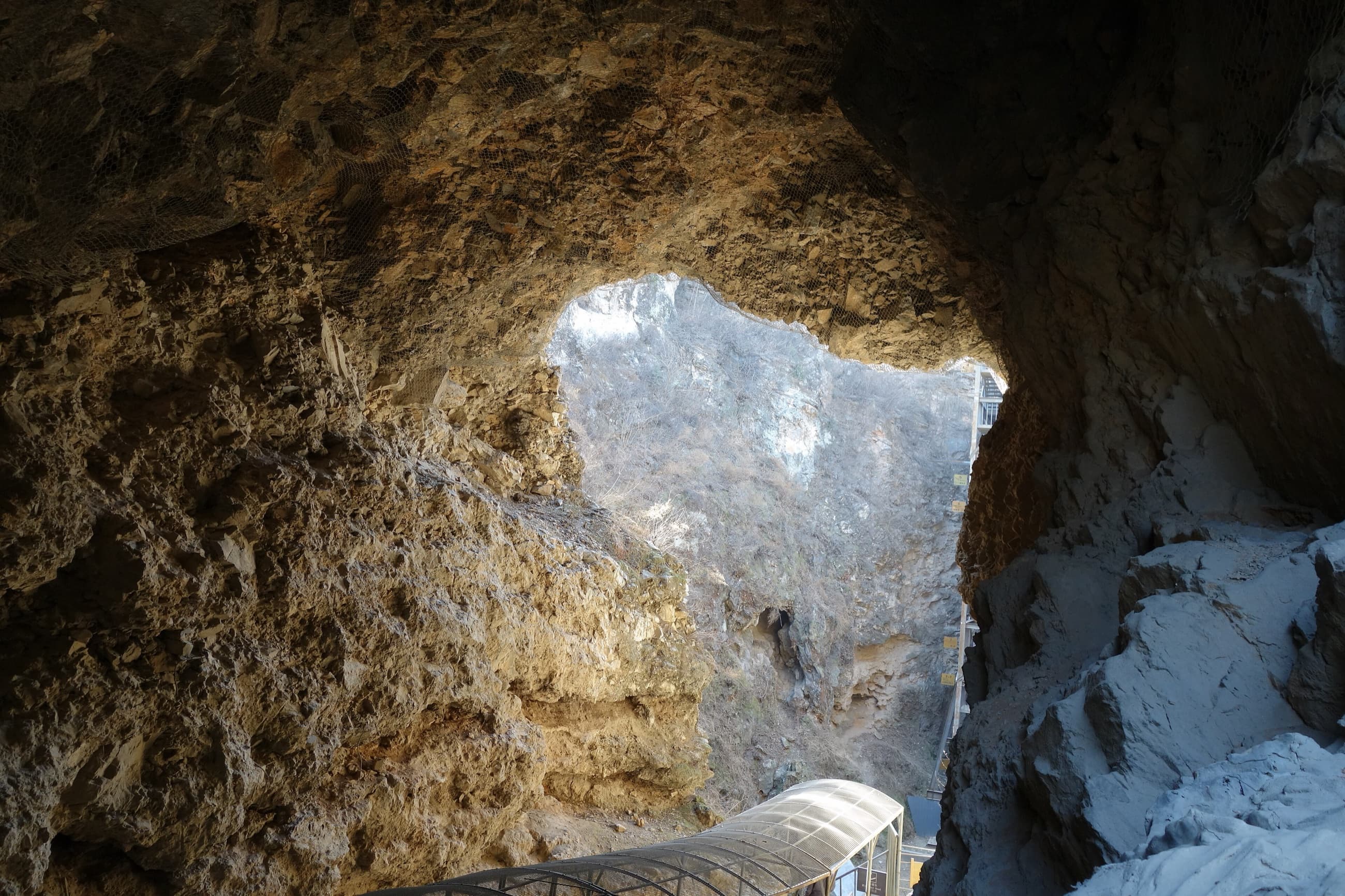
Systematic work at Zhoukoudian grew from fossil finds in the 1920s. In December 1929, Chinese archaeologist Pei Wenzhong uncovered the first largely complete skullcap associated with Peking Man. More material followed, and the site became central to debates about early human evolution in Asia.
The discovery was not one dramatic object lifted from an empty cave. Fossils, animal remains, stone artefacts and layers of sediment accumulated through repeated excavation. Each find acquired meaning from its geological level and its relationship to the others. The site was an archive written in deposits.
When a Copy Becomes Primary Evidence
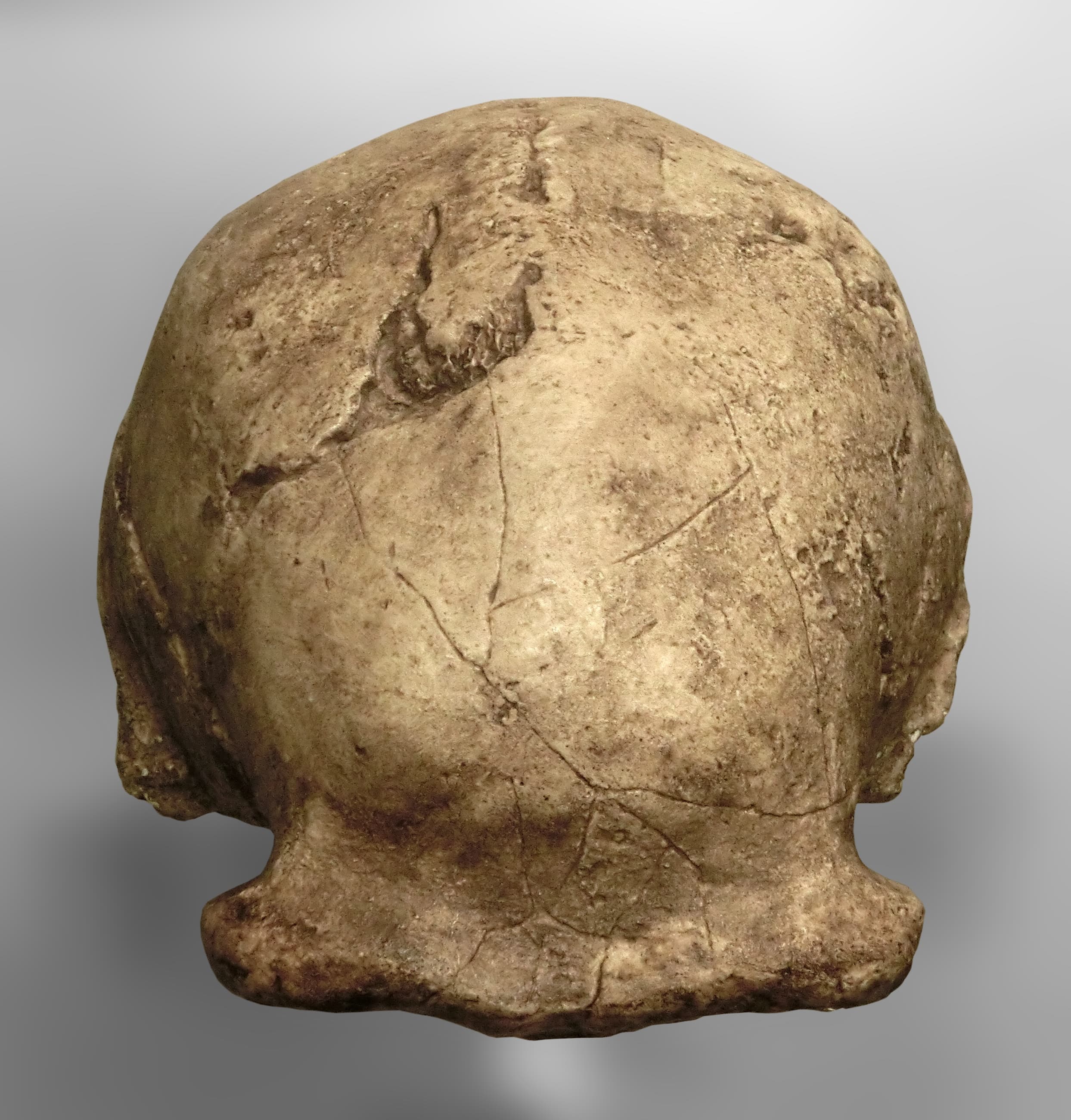
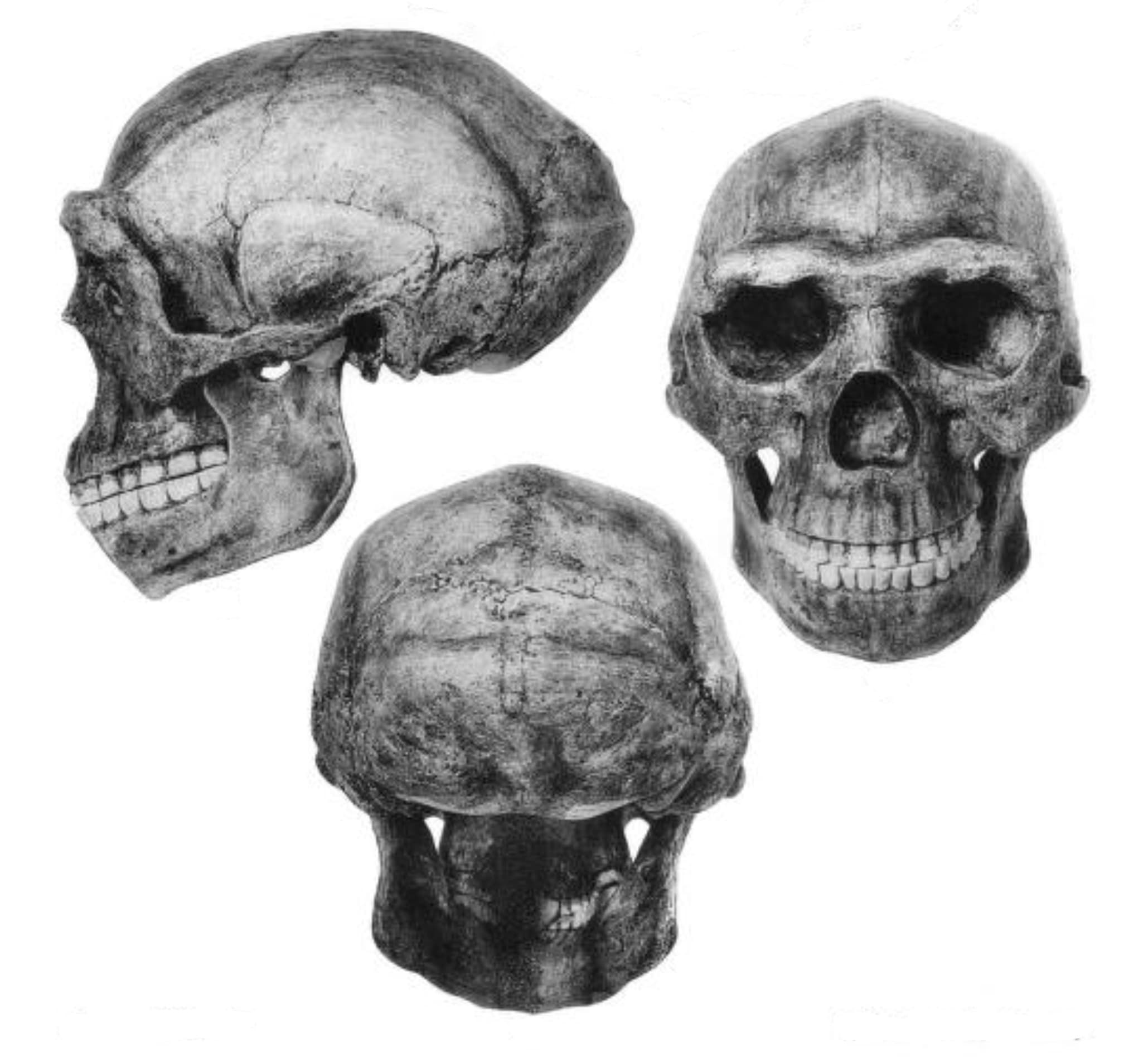
A cast is not the fossil. It does not preserve every trace of surface, chemistry or internal structure that modern instruments might detect. But a high-quality cast can preserve shape, scale and features that allow comparison. After 1941, casts distributed before the loss suddenly carried a burden they had never been intended to bear.
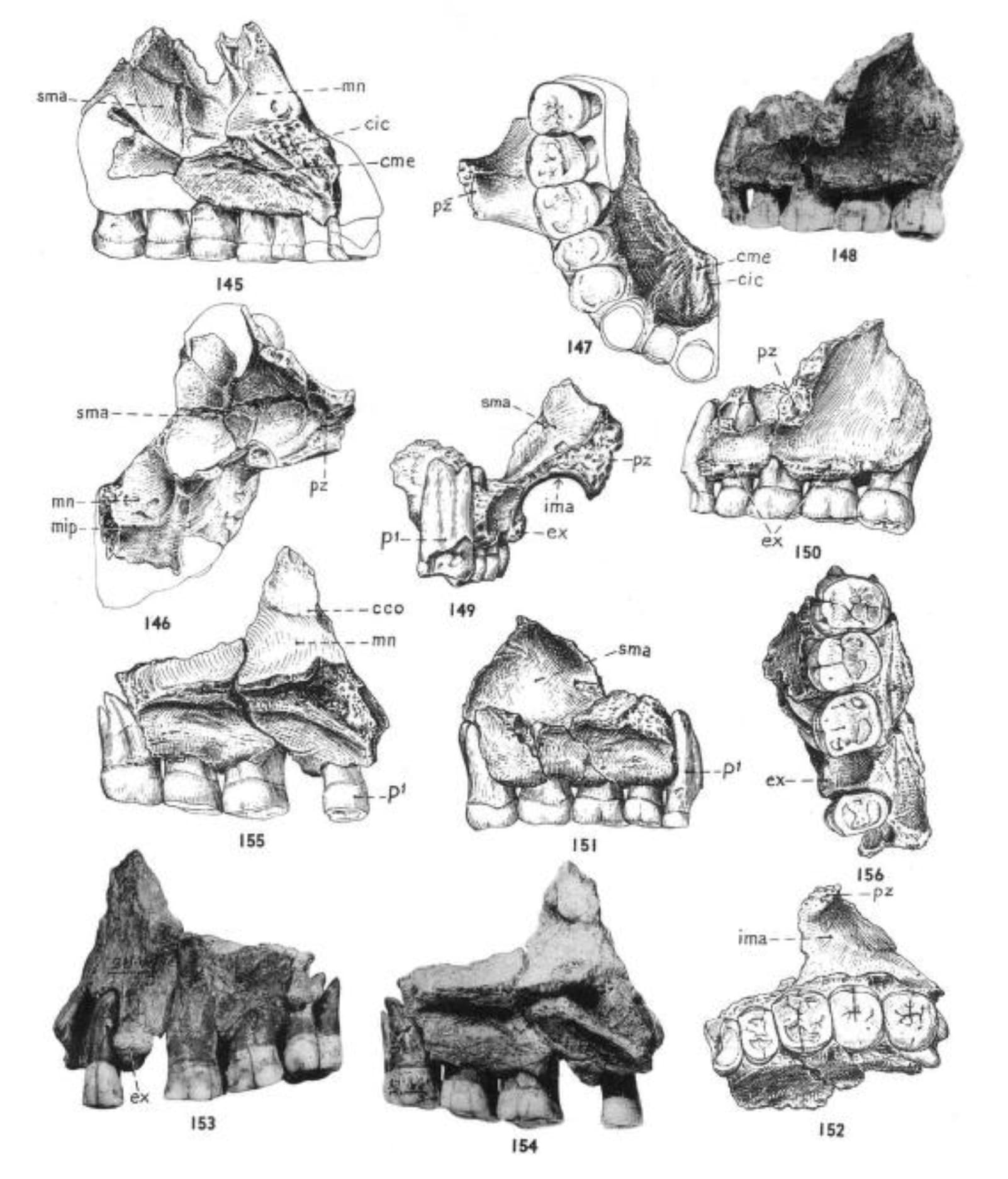
Weidenreich’s publications performed a similar rescue. His plates and descriptions fixed observations in ink. Later scholars could challenge his interpretations because the measurements and drawings remained available. The survival of knowledge depended not on a single perfect duplicate, but on several imperfect records that overlapped.
Image: a cast of a Peking Man skullcap at Göteborgs Naturhistoriska Museum. It is not an original fossil. Gunnar Creutz / Wikimedia Commons, CC BY-SA 4.0; resized for web.
Packed for Safety, Lost to War
The fossils were prepared for transport in late 1941 during a period of acute military danger. Beyond that point, certainty ends. Accounts differ over routes, custodians and possible destinations. Shipwreck, burial, seizure and private possession have all appeared in speculation; none has supplied conclusive evidence.
The responsible way to tell the story is therefore to leave the disappearance unresolved. Mystery can attract attention, but it should not swallow the work that came before or after it. The loss was devastating precisely because the collection had been carefully excavated, documented and studied.
The Site Kept Producing Evidence
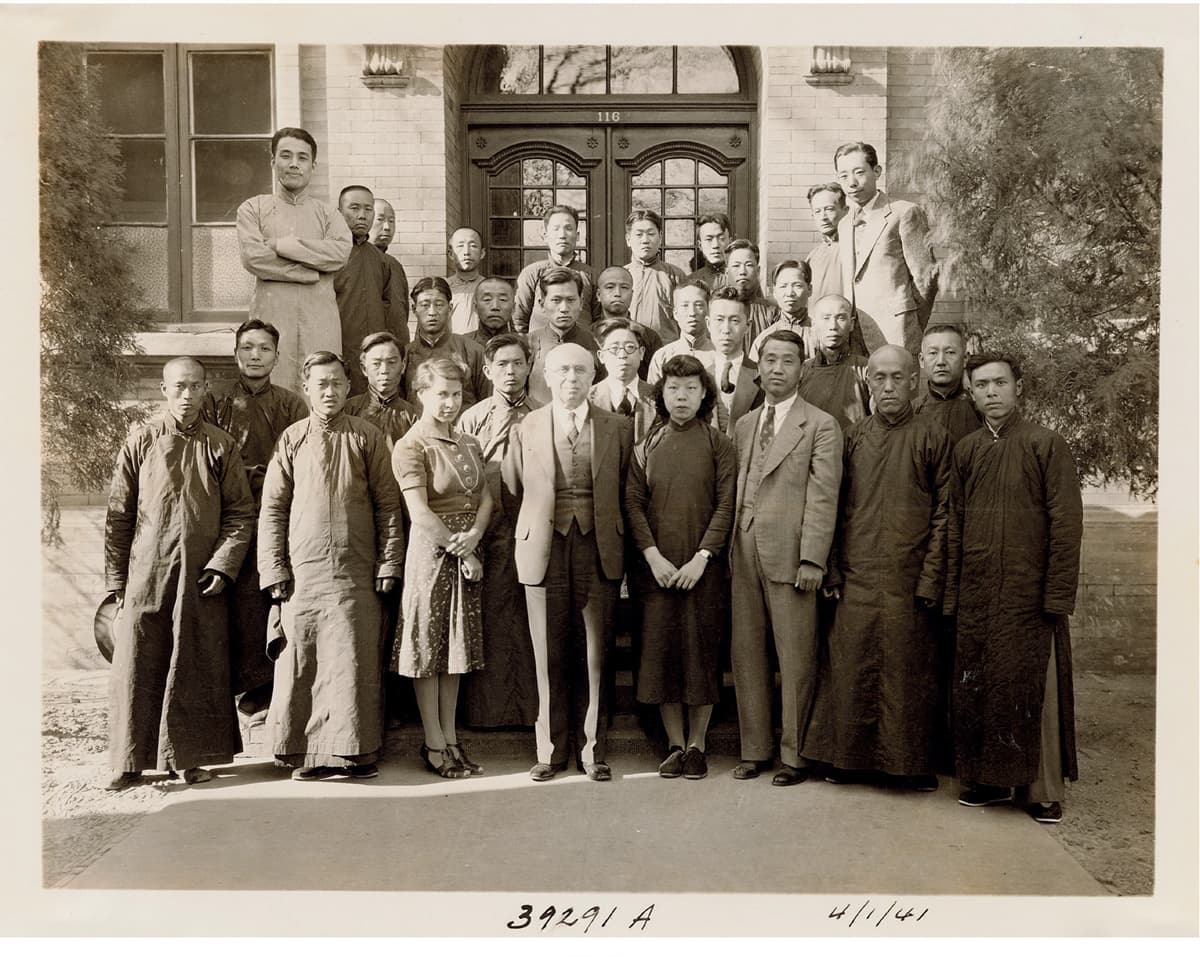
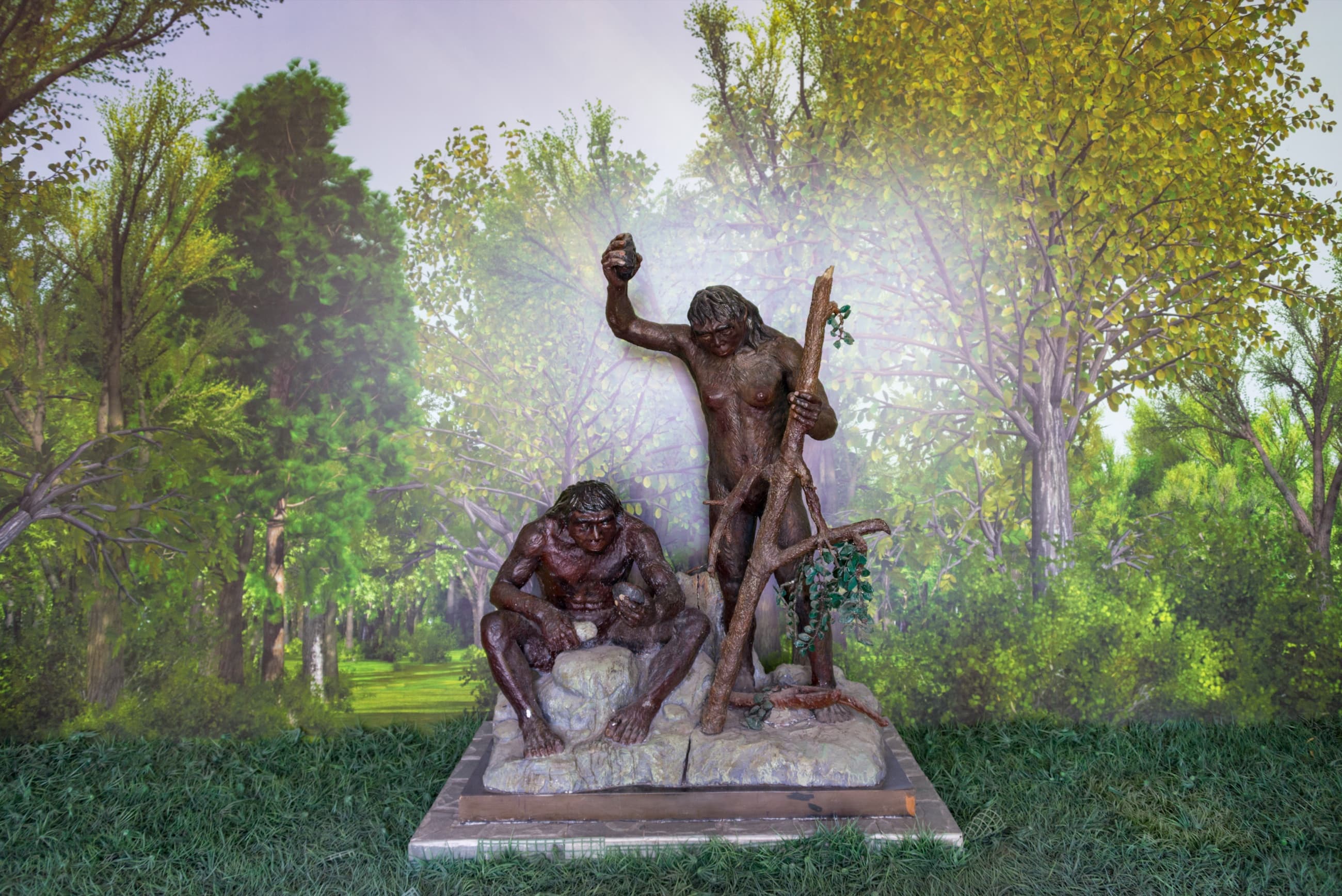
Excavation and research did not end with the missing boxes. New finds from Zhoukoudian, including additional teeth, added original material after the war. Researchers also returned to old field records and re-examined chronology, anatomy and site formation with methods that earlier excavators did not possess.
This continuing work prevents Peking Man from becoming only a lost-treasure story. The scientific subject is not a single skull. It is a population represented by multiple remains, a long sequence of deposits and a history of changing interpretation.
A Face Is an Argument
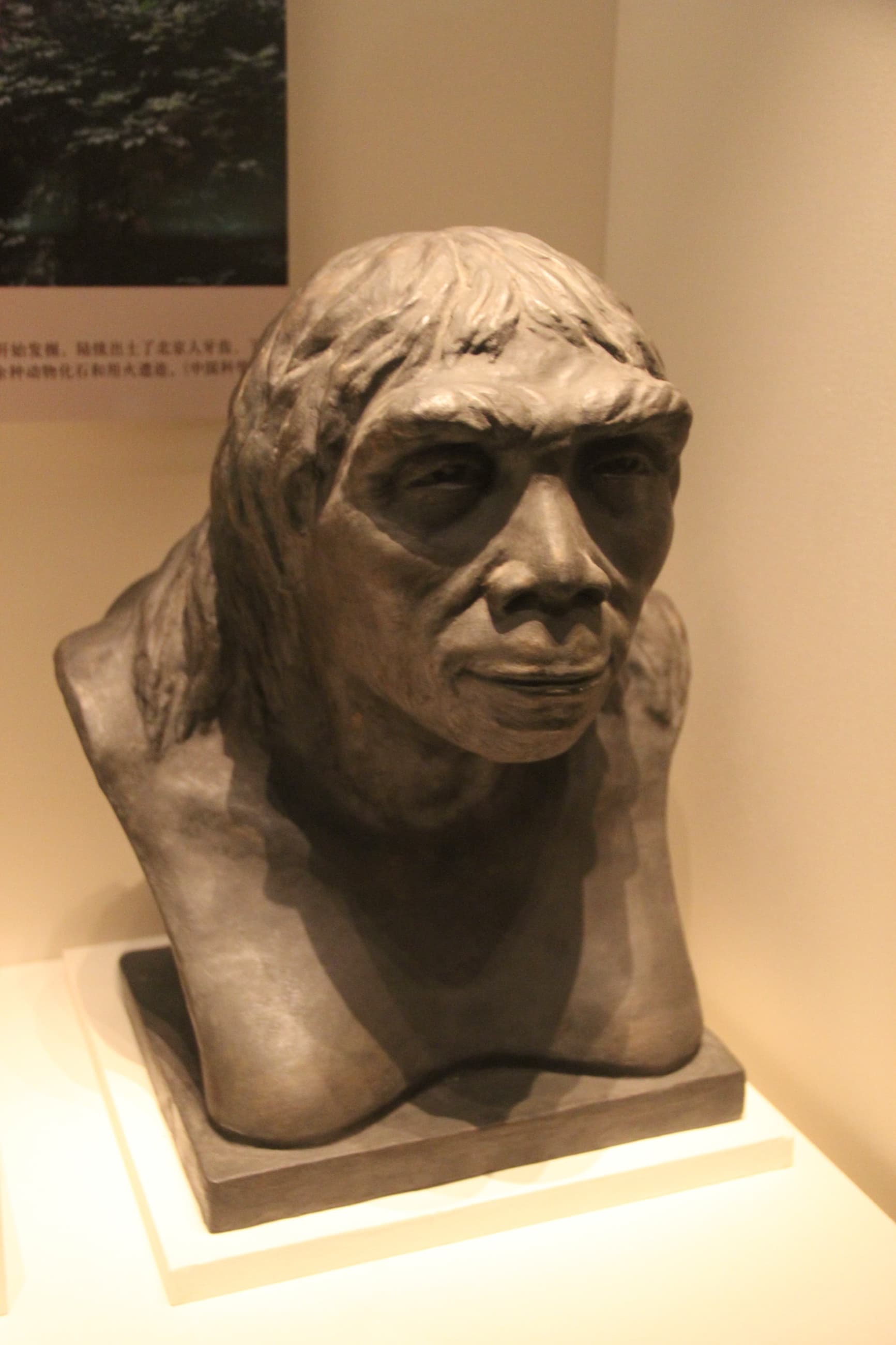
Reconstructions give a vanished person skin, hair and expression, but those details extend beyond what fossil bone can establish. They are useful when they invite questions; misleading when they look like recovered portraits.
This modern reconstruction should therefore be read as an interpretation, not an image of how one individual certainly appeared. Its value lies in making the distance between evidence and imagination visible.
Image: modern reconstruction of Peking Man. Gary Todd / Wikimedia Commons, CC0; resized for web.
What Could Not Be Packed
If the missing originals were recovered tomorrow, new imaging and sampling could ask questions unavailable in the 1930s. Copies cannot replace that possibility. But the survival of casts and documentation exposes another truth about heritage: preservation is not only the survival of matter. It is also the survival of relationships, observations and methods.
Zhoukoudian itself is the largest surviving record. The contour of the hill, the cave chambers and the layers from which material emerged cannot be carried away in a crate. The story begins with loss, but it ends with a wider definition of what evidence is — and why keeping many forms of a record matters.