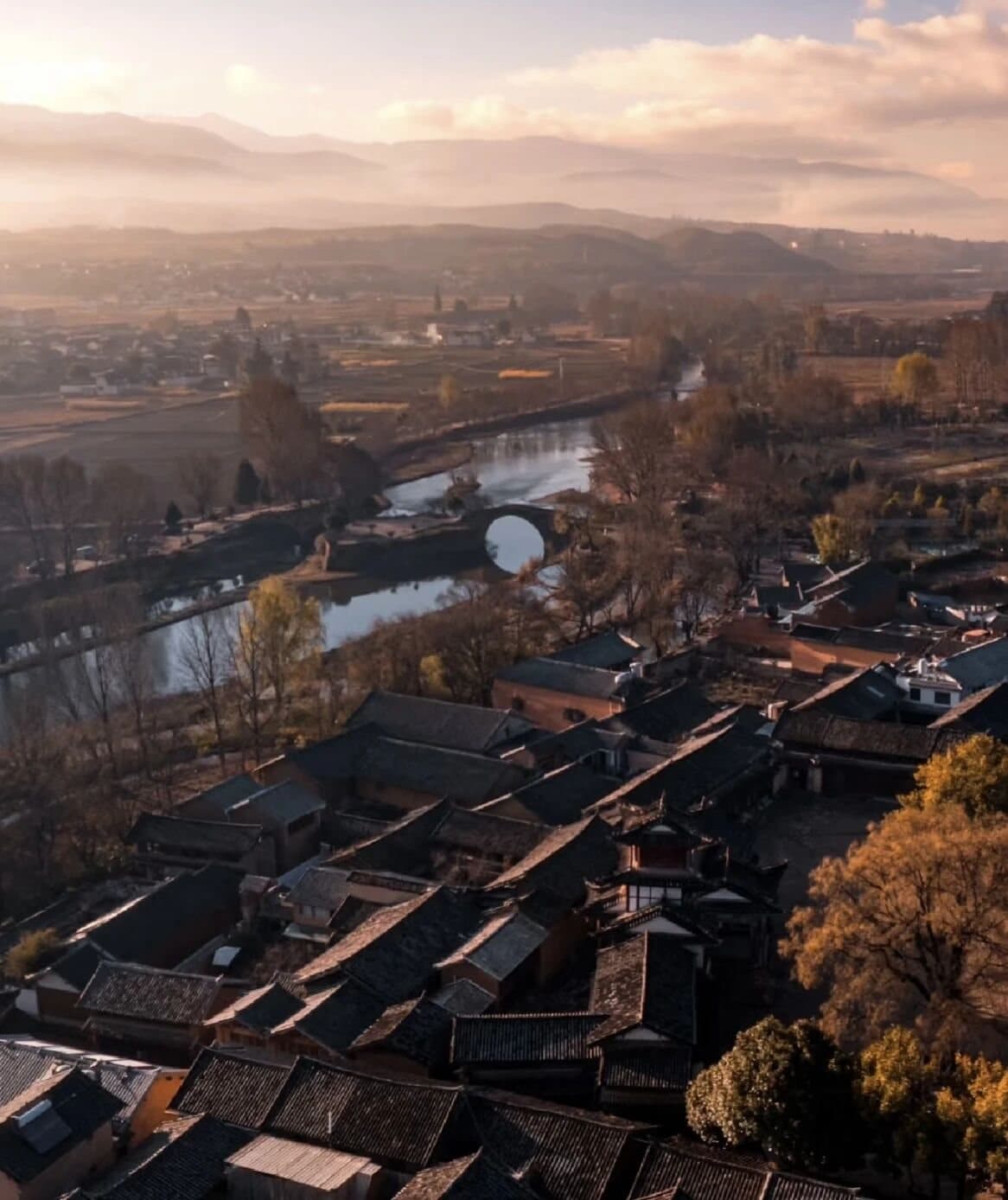
In the mountains between Dali and Lijiang, there is a small valley where time seems to move differently. Its name is Shaxi. Surrounded by green hills, fields, rivers, old trees, and Bai villages, Shaxi does not announce itself loudly. There are no giant gates, no overwhelming crowds, no polished performance of the past. Instead, it waits quietly: a stone bridge over the Heihui River, a narrow lane leading into the old market town, a red sandstone square, an ancient theatre stage, a Buddhist temple, and a way of life that still feels close to the earth.
For many travelers, Shaxi is one of Yunnan’s most beautiful surprises. Not because it is grand. Because it is gentle.
A Town on the Tea Horse Road
Shaxi was once an important stop on the Ancient Tea Horse Road, the network of caravan routes that carried tea from Yunnan and Sichuan toward Tibet, while horses, salt, herbs, textiles, stories, and beliefs moved back across the mountains. For centuries, caravans passed through this valley.
Mule bells rang across the stone paths. Merchants rested in courtyard inns. Local families opened their homes to travelers. Goods were exchanged. News was shared. Festivals, theatre, food, religion, and architecture all grew around the rhythm of the road.
Unlike many old trading towns that were either rebuilt beyond recognition or slowly disappeared, Shaxi kept something rare: the feeling of a living caravan town. Its old market square is still there. Its bridge is still there. Its lanes still lead toward fields and villages.
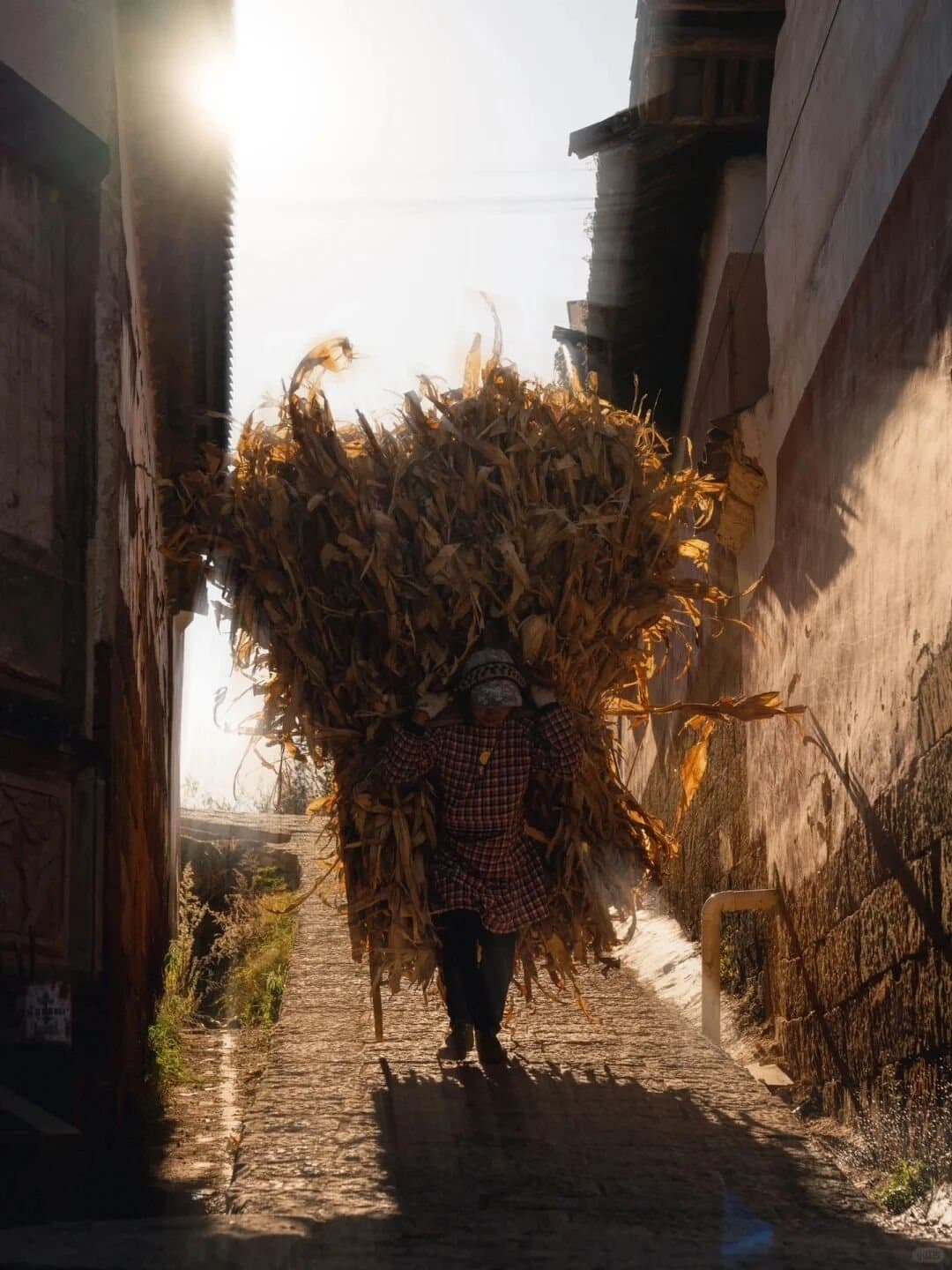
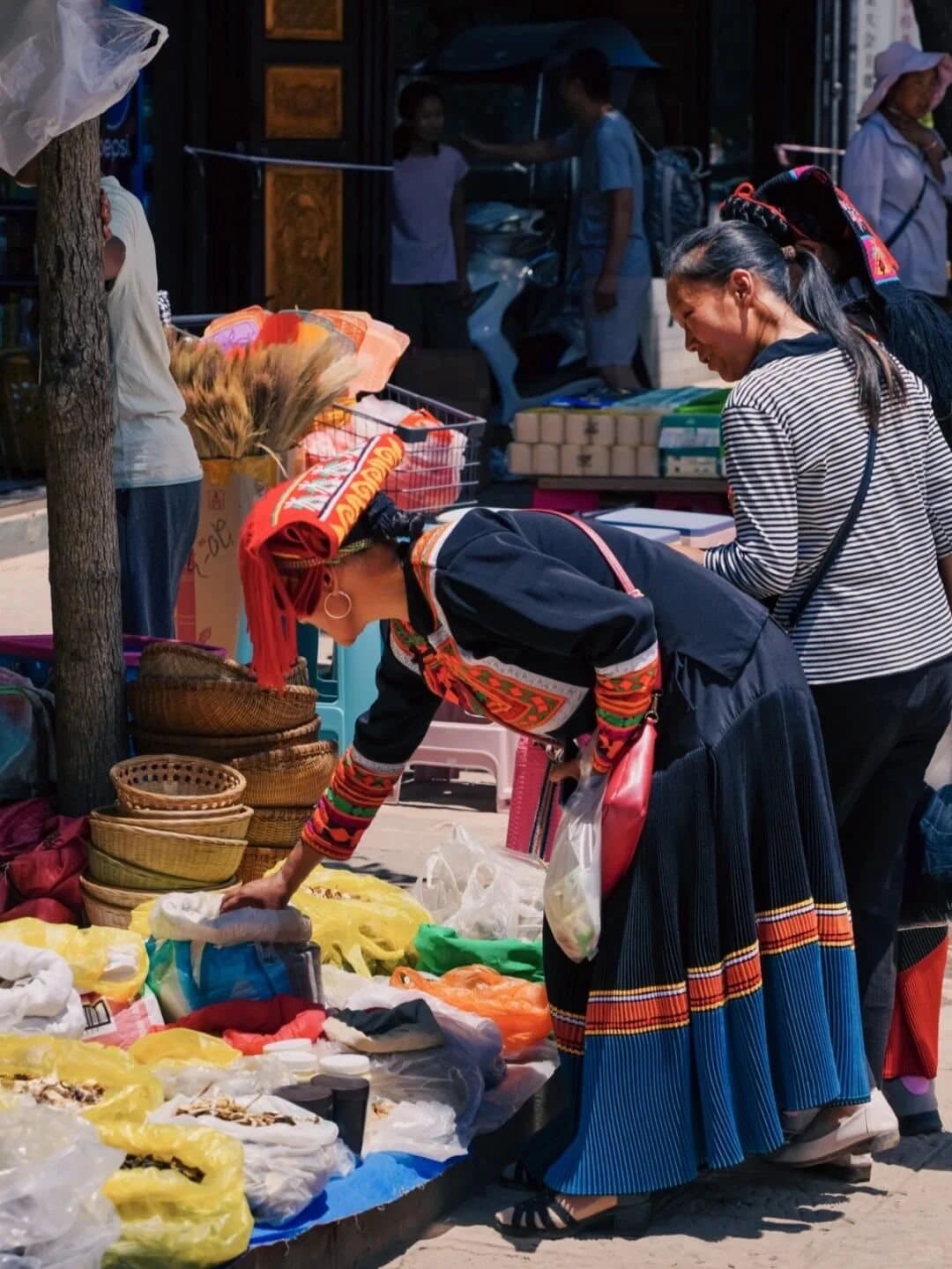
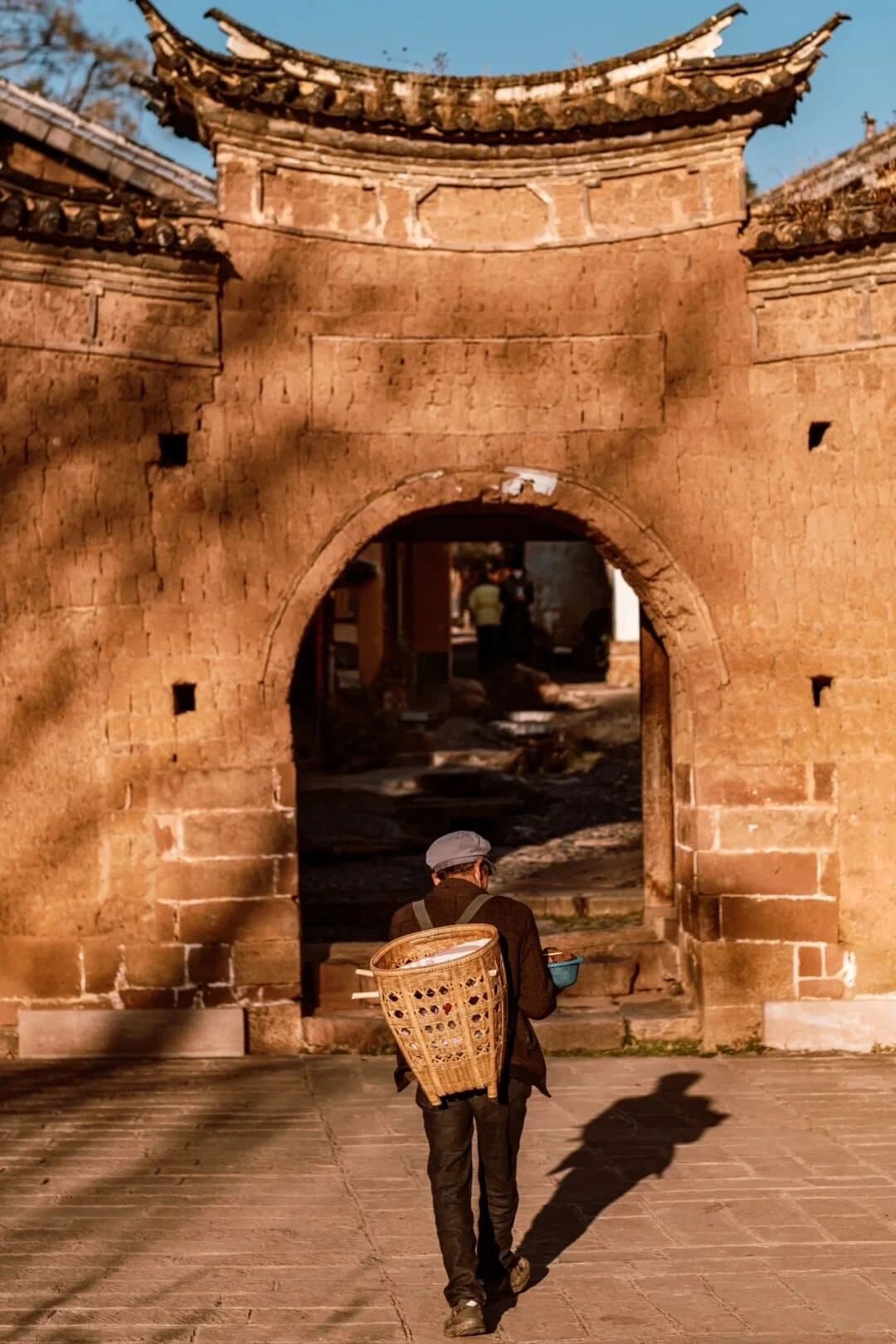
Its Friday market still brings people from surrounding areas to trade vegetables, mushrooms, herbs, livestock, tools, cloth, snacks, and daily goods. In Shaxi, history does not feel sealed behind glass. It is still walking through the market with a bamboo basket on its back.
Entering Through the Old Gate
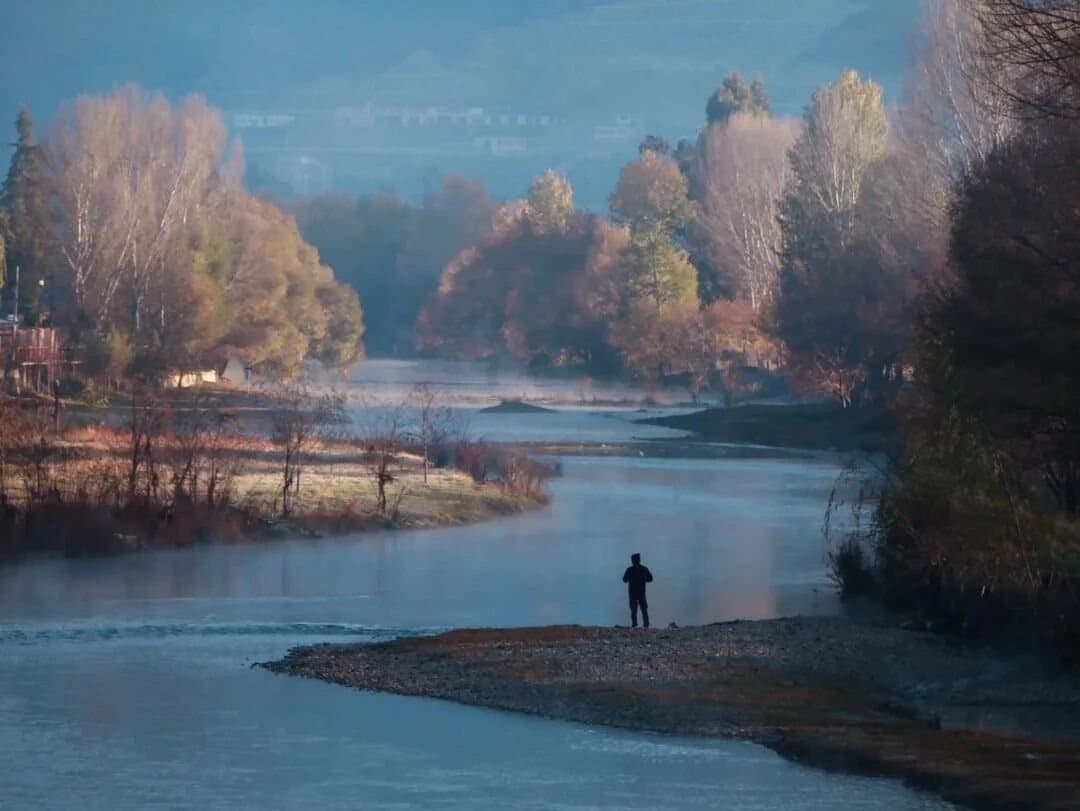
To understand Shaxi, begin at Yujin Bridge. The bridge crosses the Heihui River and has long been associated with the old caravan route. Stand there in the early morning, when mist floats above the water and the fields are still quiet, and it is easy to imagine the sound of horses approaching from the distance.
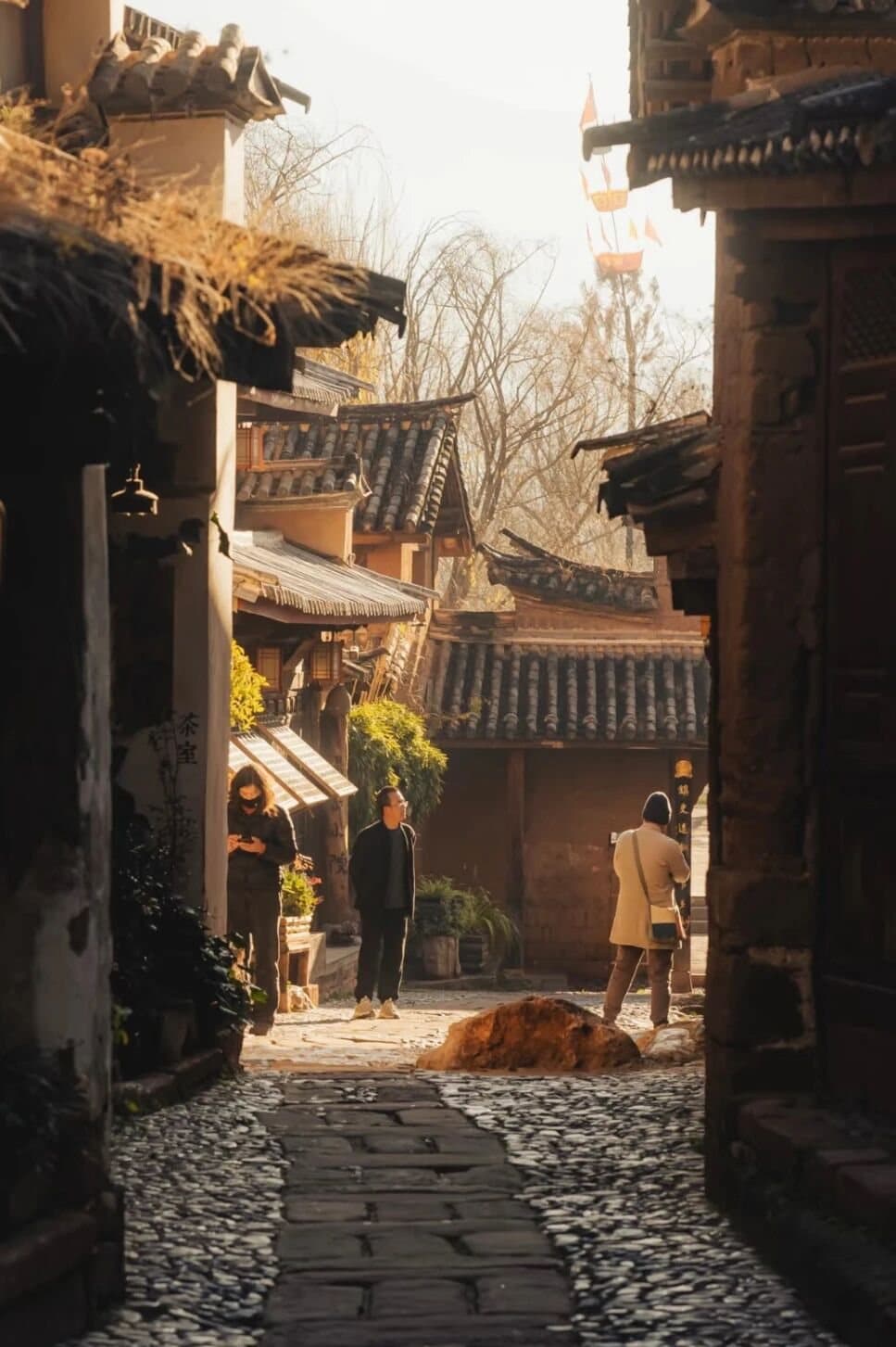
Across the bridge, the old eastern entrance leads into town. The lane is narrow, deep, and slightly worn. Old shops and earthen walls stand on either side. Nothing feels perfectly arranged, and that is exactly why it feels real. You do not enter Shaxi like a tourist entering a theme park. You enter it like someone stepping into a memory that has been allowed to age naturally.
At the end of the lane, the space opens suddenly into Sideng Square. This is the heart of old Shaxi.
Sideng Square: The Heart of the Valley
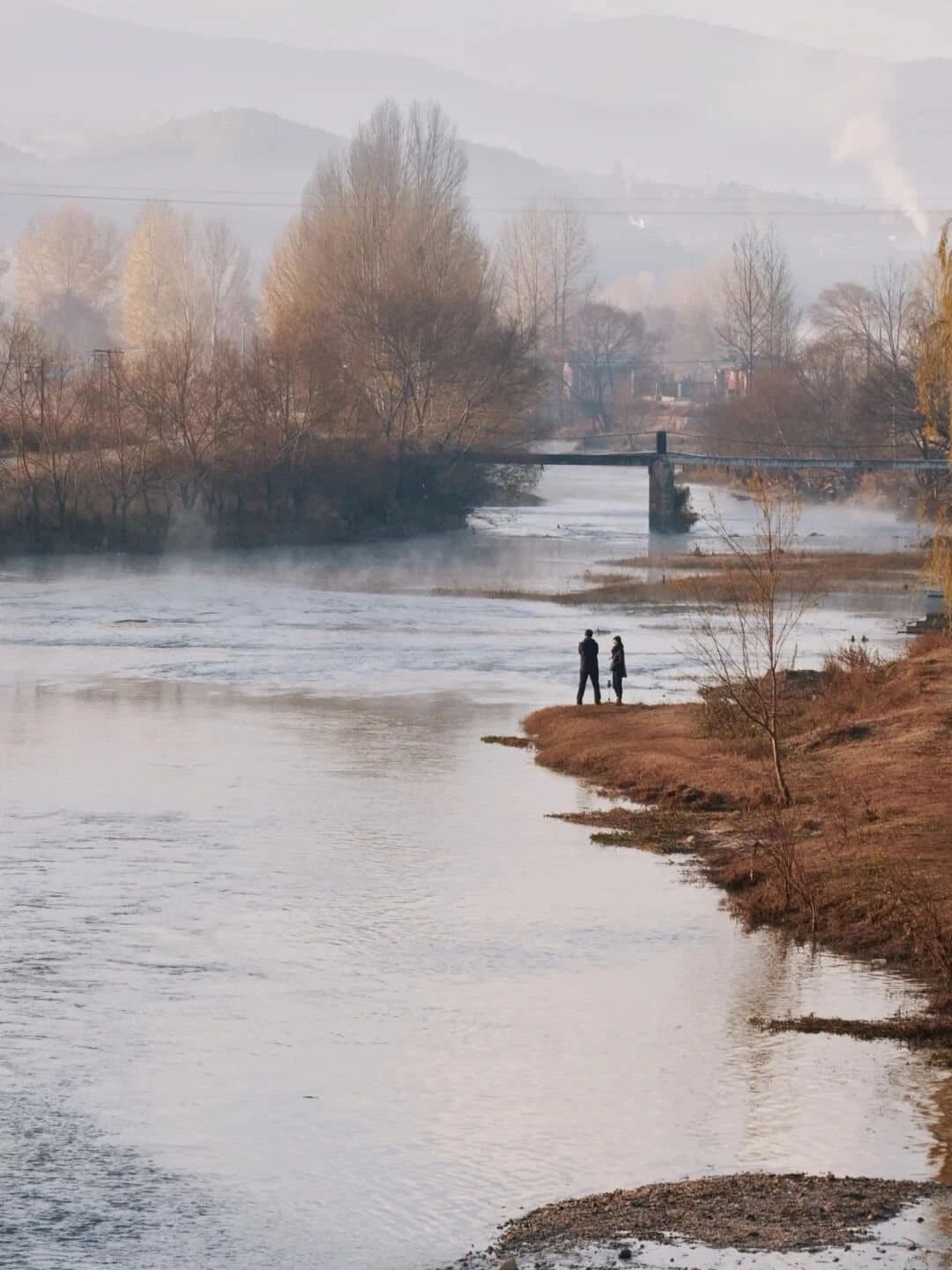
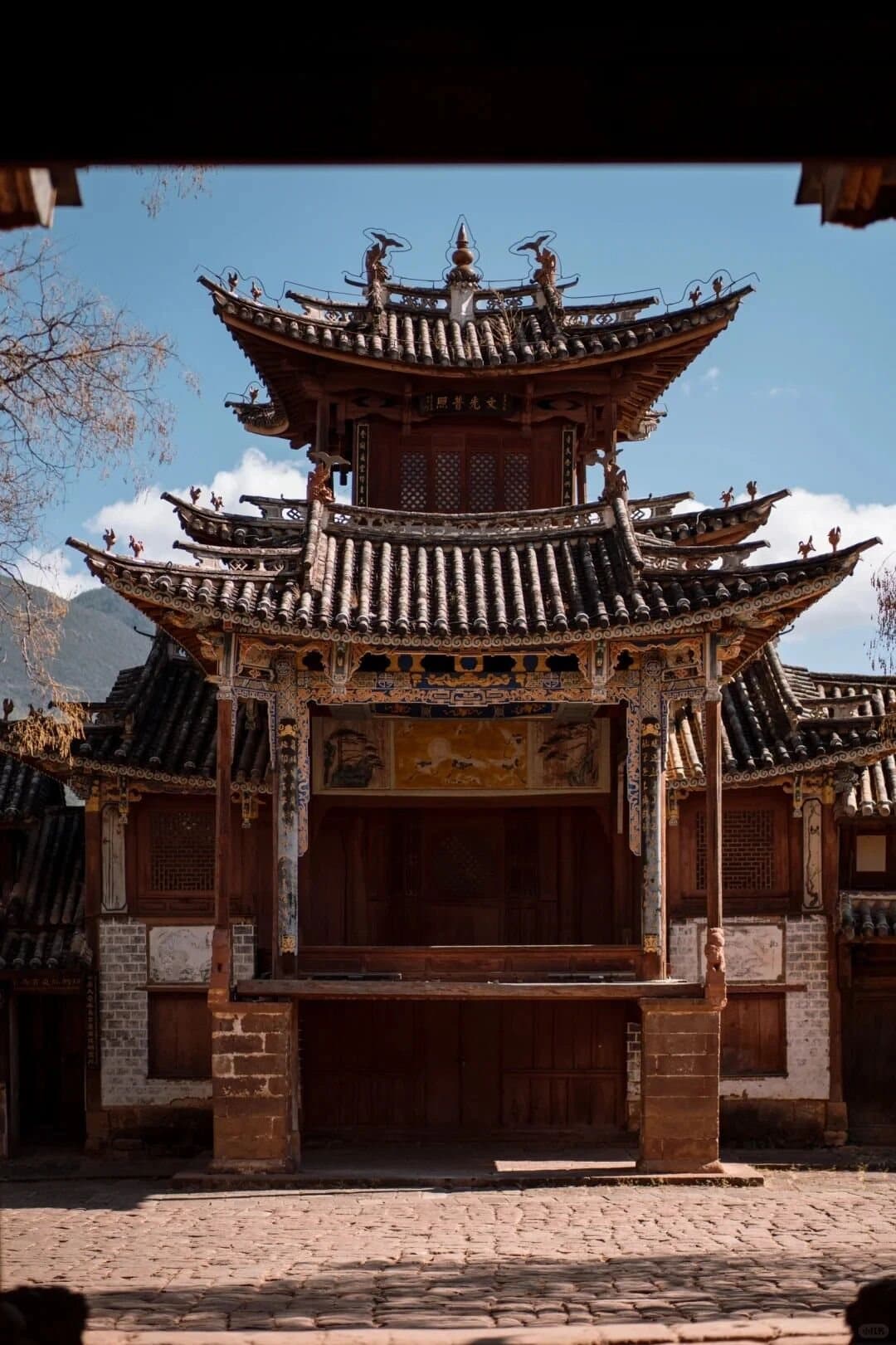
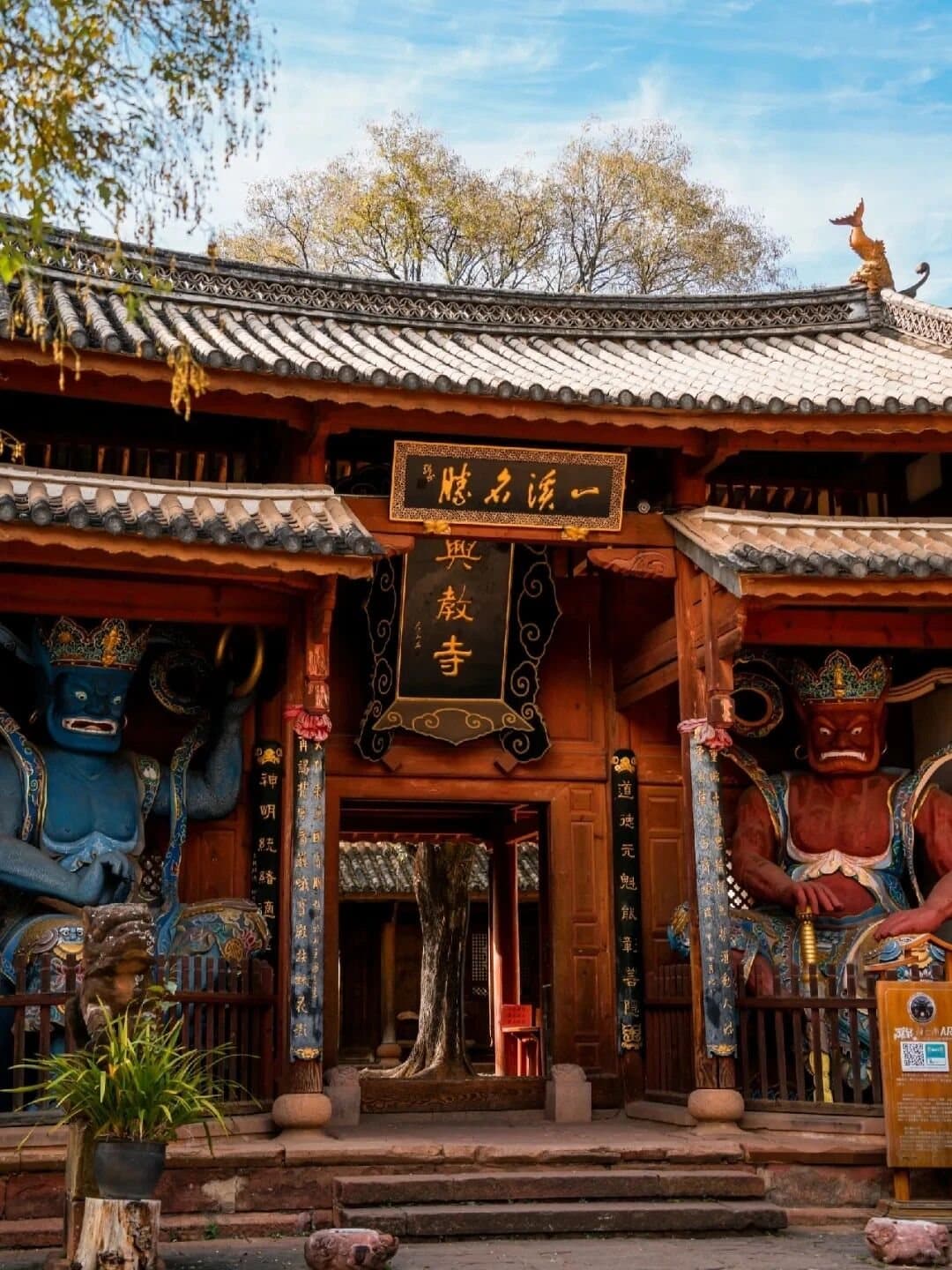
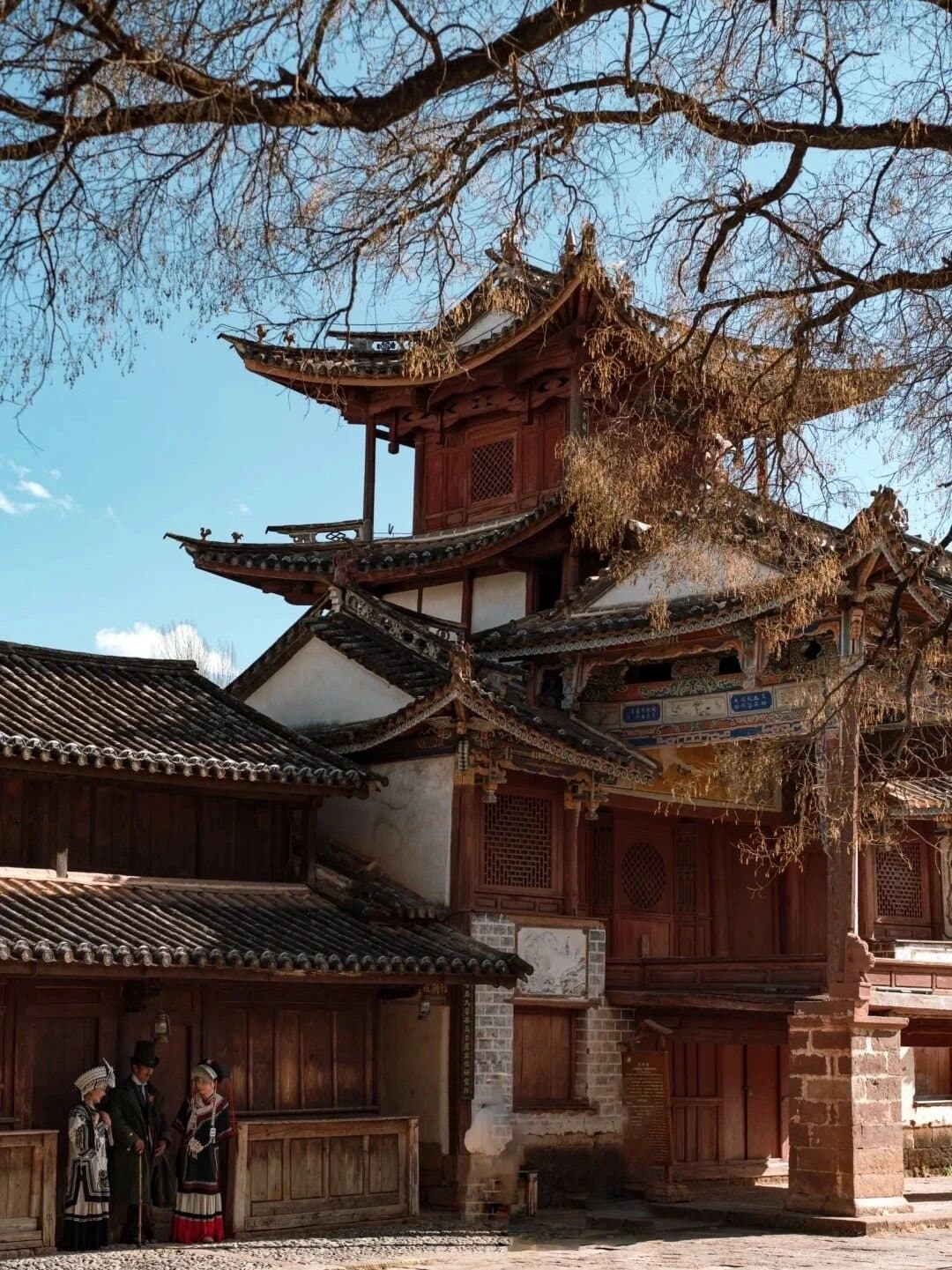
Sideng Square is not large, but it carries the weight of the town. The ground is paved with red sandstone. Ancient trees stand in the open space. On one side rises the old theatre stage, with its elegant wooden structure and layered eaves. Opposite it stands Xingjiao Temple, a Ming-era Buddhist temple deeply connected to Bai culture and the religious history of the region.
The theatre and the temple face each other across the square. This arrangement is beautiful because it tells you what Shaxi once was: a place of both trade and spirit, daily life and performance, business and belief. A caravan town was never only about goods. It was also about gathering, worship, music, storytelling, and belonging.
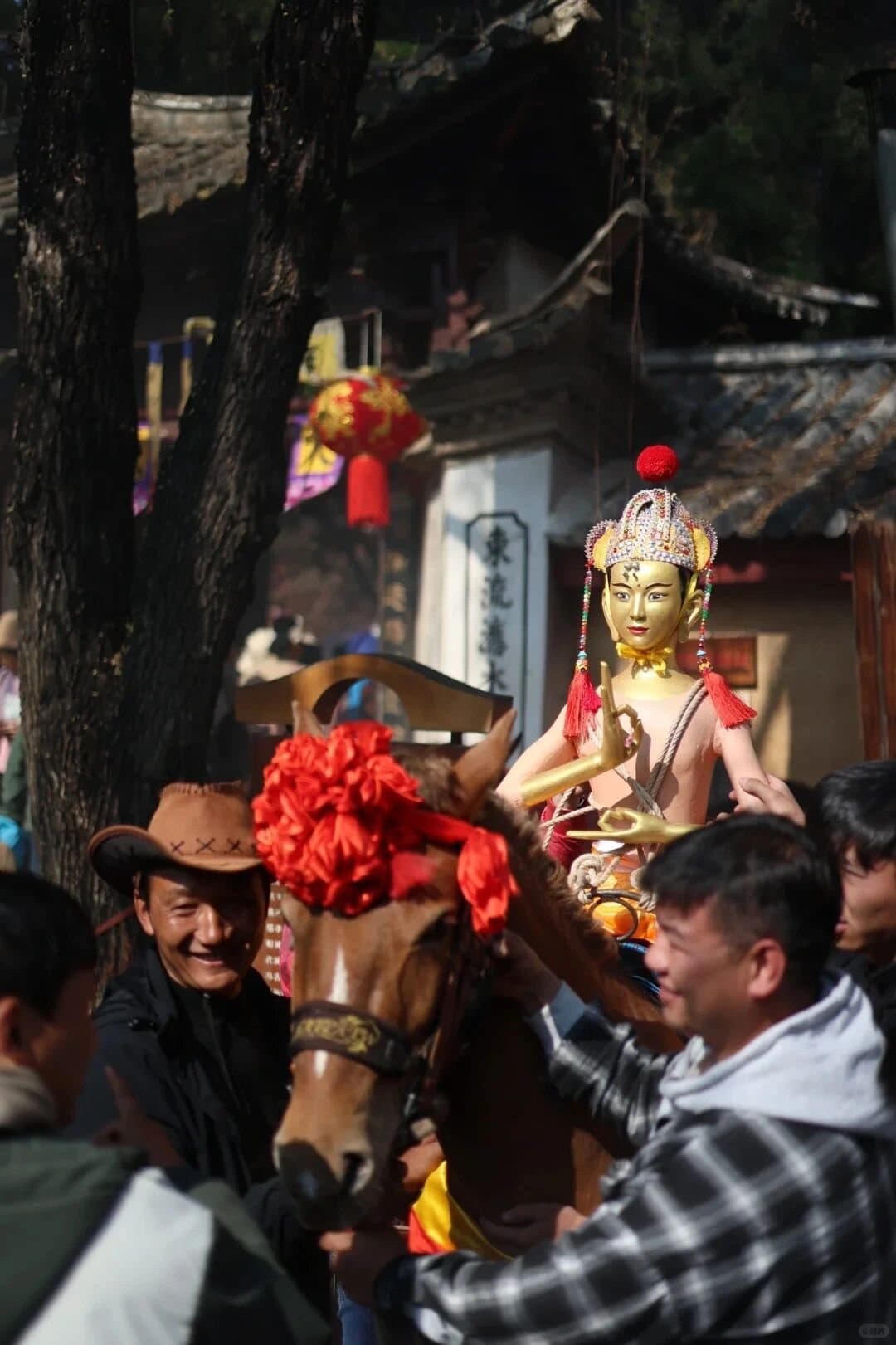
In the past, market days filled the square with sound. Traders came. Villagers arrived from nearby mountains. Performances could last through the night. Folk songs, Bai dances, religious rituals, and local festivals turned the square into a living stage.
Today, Shaxi is quieter, but the square still holds that memory. Sit there for a while and you begin to feel it. The old theatre does not need to perform to be alive. The temple does not need to be crowded to feel sacred. The square itself seems to remember every market, every festival, every passing caravan, and every child who once ran across its stones.
Friday Market: A Living Tradition
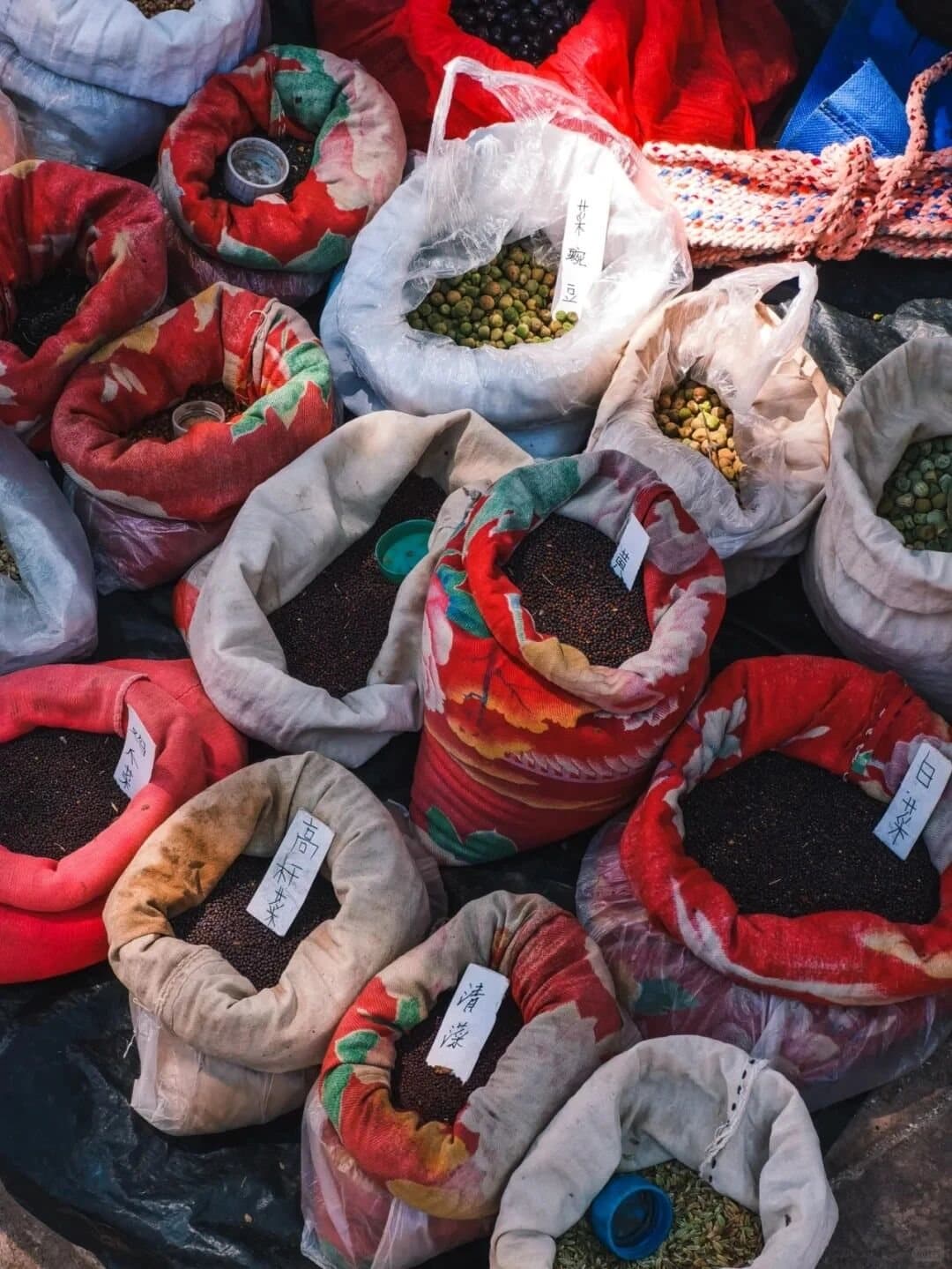
If you can, come to Shaxi on a Friday. Friday is market day. This is when the town changes. Villagers from nearby communities arrive with seasonal produce, wild mushrooms, fresh vegetables, fruit, cheese, dried goods, herbs, tools, clothes, and animals. The market is colorful, practical, noisy, and deeply local.
It is not a staged performance for visitors. It is a working market. That matters. In many historic towns, tradition becomes something displayed only for outsiders. In Shaxi, the Friday market still belongs first to the people who live around it. Travelers are welcome to look, taste, buy, and wander, but the rhythm is not built around them.
This gives Shaxi a different kind of authenticity. You are not watching culture from a distance. You are standing inside a weekly rhythm that has connected the valley for generations.
The People Who Make Shaxi Interesting
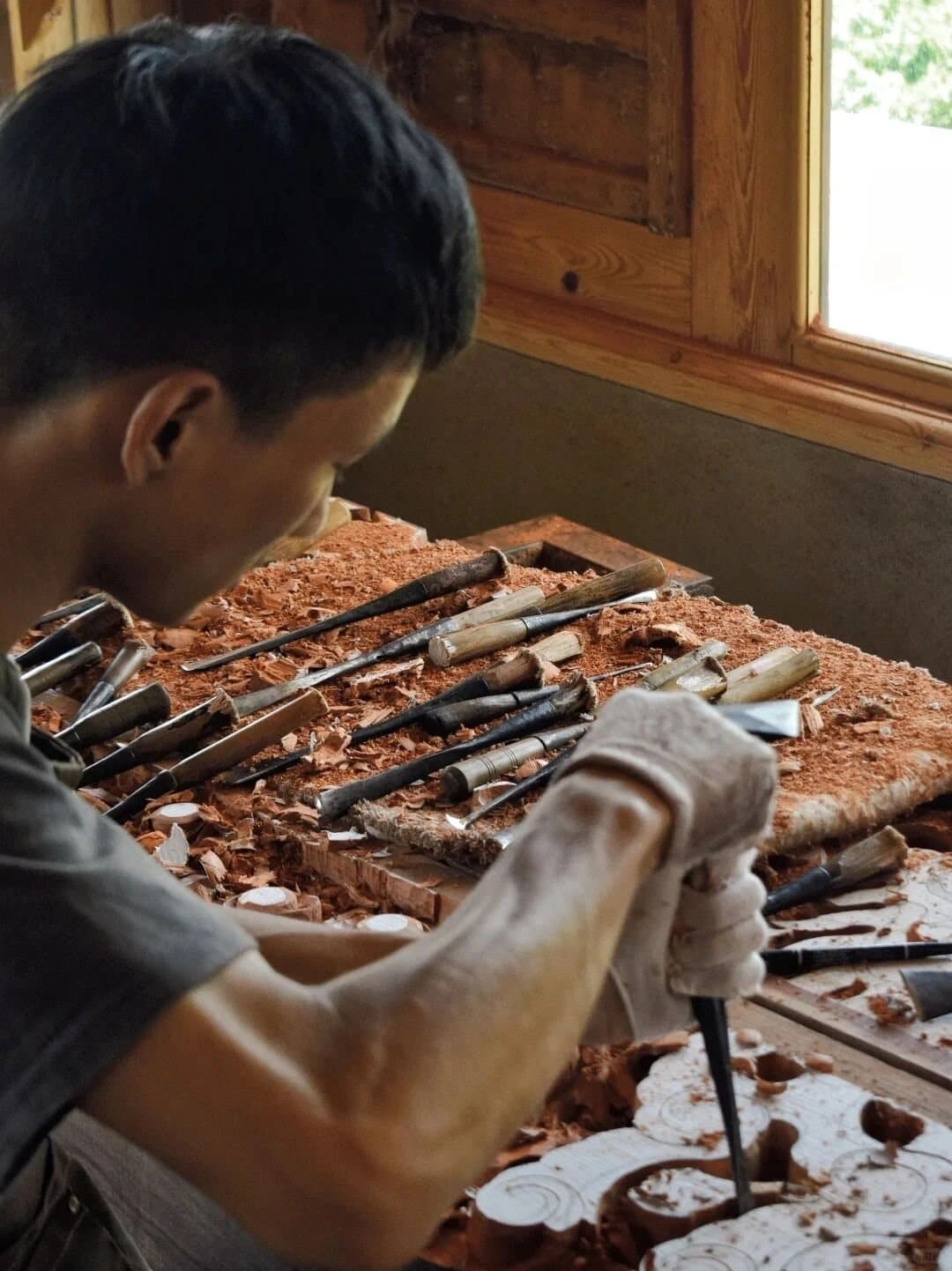
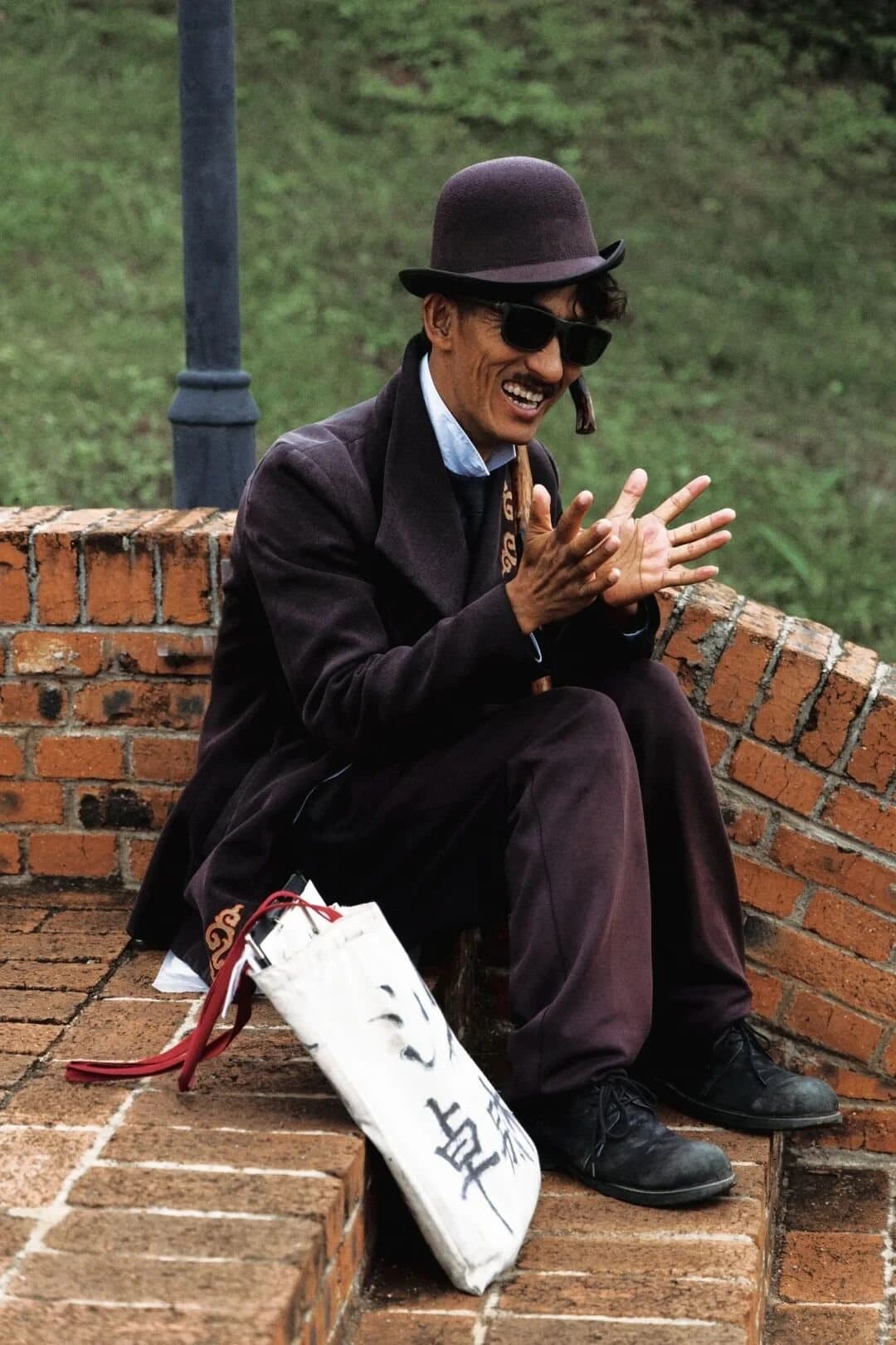
Shaxi is beautiful because of its buildings. But it is memorable because of its people. There are farmers carrying vegetables into town before the morning has fully warmed. There are Bai woodcarvers shaping delicate patterns by hand. There are shop owners who seem to open when they feel like it. There are musicians, bakers, photographers, craftspeople, guesthouse owners, tea drinkers, and travelers who came for two nights and somehow stayed for months.
Shaxi has attracted a particular kind of person: people who are not trying to escape life, but to live it with more attention. Some run small cafés or bakeries. Some restore old houses. Some make art. Some study local architecture. Some farm. Some write. Some simply walk slowly and talk to neighbors.
This is why Shaxi does not feel frozen in the past. It feels like an old place learning how to live again.
A Town Restored, Not Rebuilt
Shaxi’s survival was not accidental. By the early 2000s, parts of the old market area were in serious decline. Buildings had aged. Some structures were close to collapse. Like many historic rural places, Shaxi faced a difficult question: how could it welcome the future without losing itself?
The answer came through a long restoration process known as the Shaxi Rehabilitation Project. Rather than demolishing and rebuilding the town into something new and artificial, the project focused on conservation: repairing, preserving, and strengthening what was already there. Traditional materials and local craftsmanship were important. The goal was not to make Shaxi look brand-new, but to allow it to keep its own texture.
That is why Shaxi still feels human. Its walls are not too perfect. Its wooden doors still carry marks of weather and use. Its square still feels like a place where villagers might gather, not a stage set waiting for tourists. This kind of restoration is quiet work. It does not always produce instant spectacle. But over time, it protects something more valuable than a beautiful façade: the dignity of a place.
Shibao Mountain: Stone, Forest, and Faith
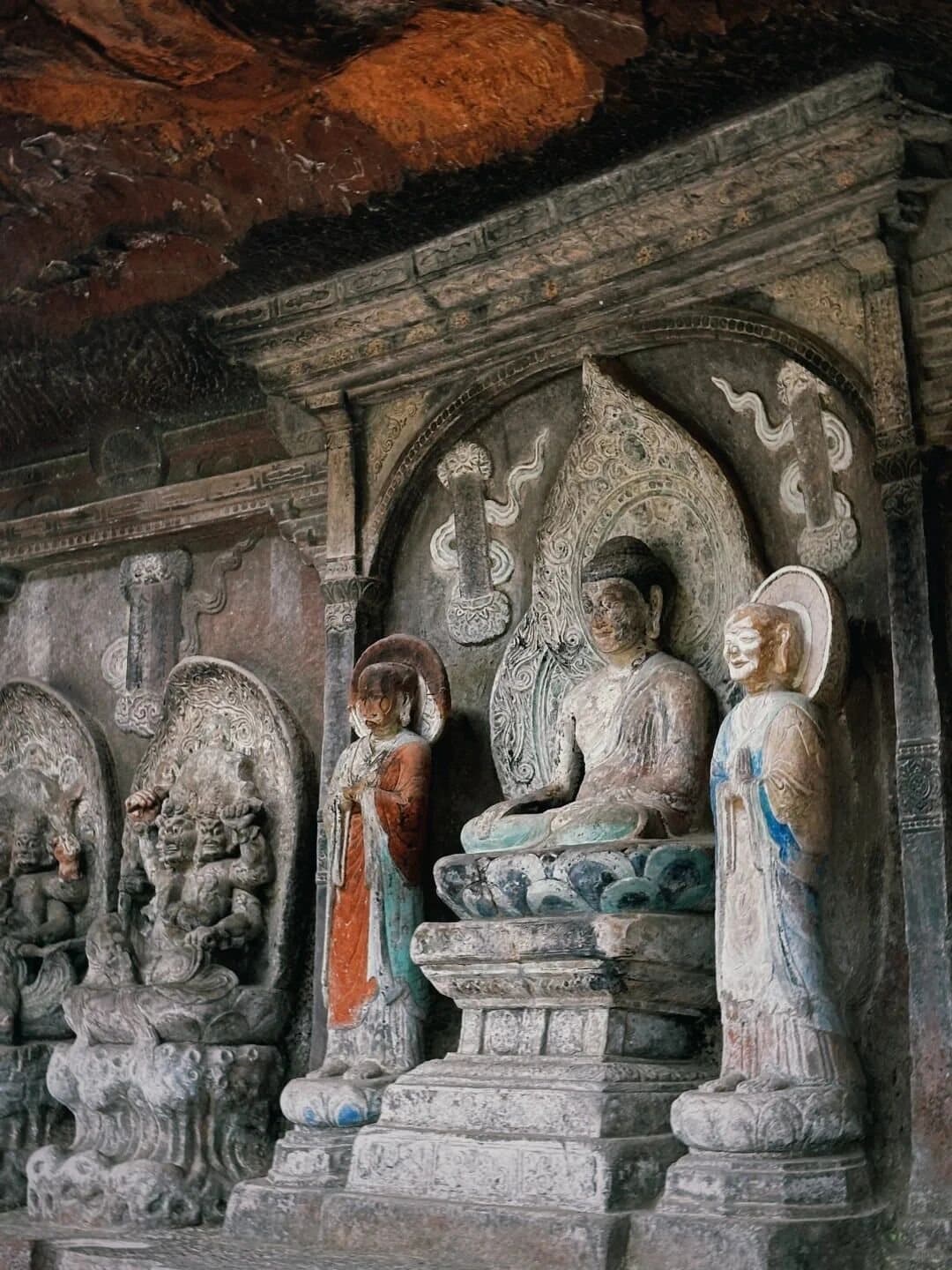
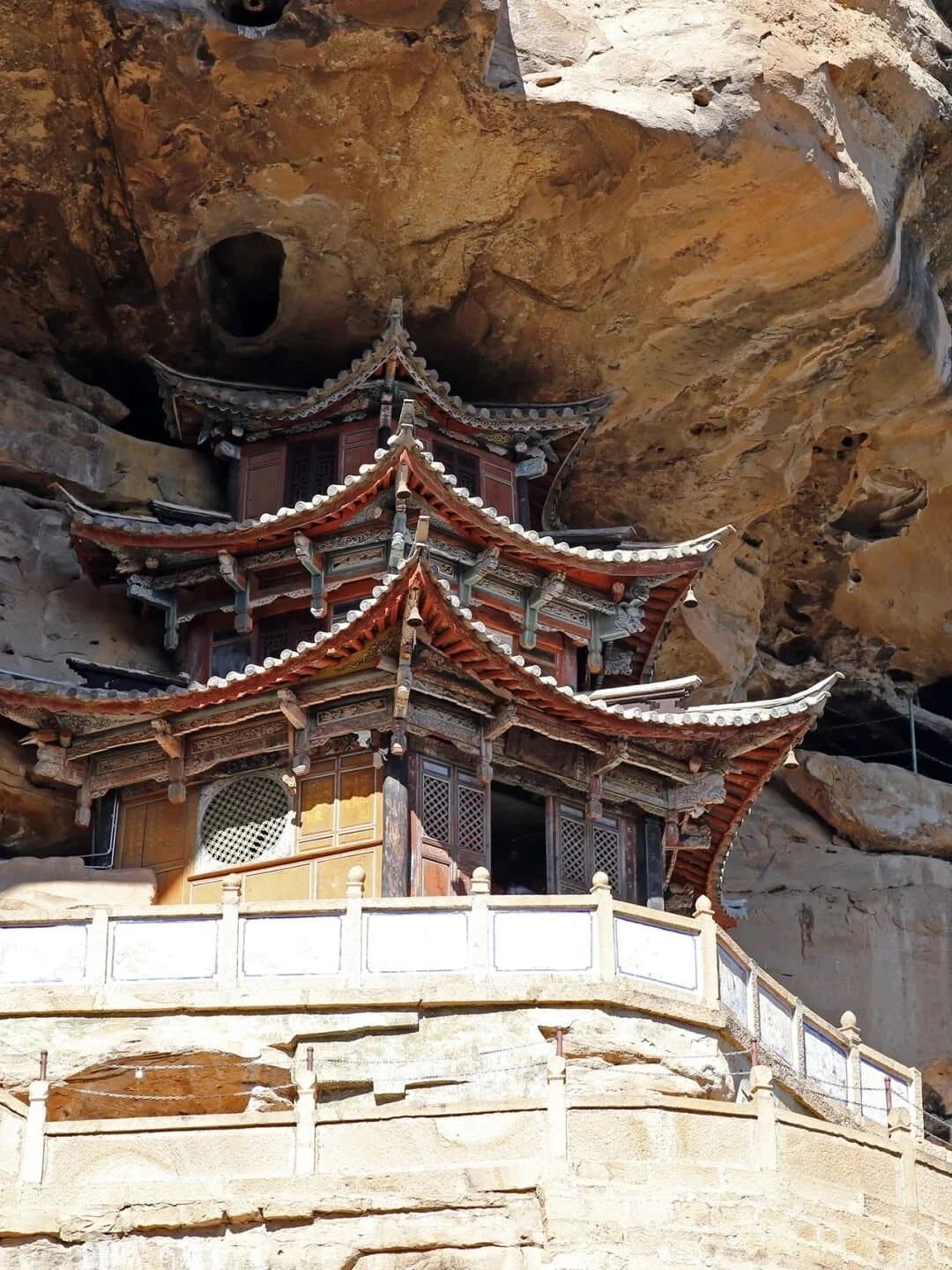
Not far from Shaxi is Shibao Mountain, one of the most important cultural landscapes in the area. Here, cliffs, forests, temples, and grottoes come together in a way that feels almost mythical. The stone carvings and Buddhist grottoes are connected to the history of the Nanzhao and Dali Kingdoms, while temples such as Baoxiang Temple seem to cling to the cliffs as if suspended between the human world and the world of spirits.
A visit to Shibao Mountain adds another layer to Shaxi. It reminds you that this valley was not shaped only by trade, but also by belief, art, and mountain worship. The Tea Horse Road brought goods through the region, but religion and culture gave the landscape its deeper meaning.
In Shaxi, nature and history are never far apart. A village lane leads to a field. A field leads to a mountain. A mountain leads to a temple. A temple leads back into story.
Why Shaxi Feels Like a Different Kind of Travel
Many travelers come to Yunnan looking for famous places: Dali, Lijiang, Shangri-La, Jade Dragon Snow Mountain. Shaxi is quieter. It does not ask you to rush. It does not demand a checklist. It does not try to impress you all at once. Instead, Shaxi works slowly. It asks you to notice the small things: morning mist by the river, sunlight spreading over red sandstone, an old theatre stage seen from beneath a tree, the smell of bread from a hidden bakery, the sound of bargaining at the market, the texture of carved wood, the way locals sit in doorways and watch the afternoon pass.
This is why Shaxi has become a kind of modern retreat. Not in the empty sense of “escaping reality,” but in a deeper sense: it gives people time to hear themselves again. In cities, life often moves like a machine. People become like gears inside a clock, turning and turning until something slips. Only then do they remember to stop. Shaxi offers another rhythm. Here, stopping does not feel like failure. It feels like returning.
The Wind That Passes Through Shaxi
There is a reason people often describe Shaxi with the language of wind. Wind moves through the valley without hurry. It passes over fields, crosses the river, enters the square, brushes the old theatre, and disappears into narrow lanes. It carries the smell of earth after rain, smoke from village kitchens, flowers in season, and sometimes the distant sound of music.
The wind makes Shaxi feel open. Not empty, but open. A place where people can breathe differently. A place where stories do not need to be dramatic to matter. A place where a good day might mean walking across Yujin Bridge, drinking tea in a courtyard, buying fruit at the Friday market, watching light fall on Xingjiao Temple, and doing nothing for a long afternoon.
For some travelers, that may sound too simple. For others, it is exactly what they came to Yunnan to find.
The Confidence of a Small Place
One of the most moving things about Shaxi is that its revival has not erased its village character. The restoration of old buildings, the return of visitors, the arrival of cafés, bookstores, guesthouses, and artists — all of this could easily have turned Shaxi into a decorative version of itself.
But at its best, Shaxi still resists that fate. Its beauty comes from balance. Old and new. Local and foreign. Trade and faith. Village life and creative life. Memory and reinvention. The town has learned to value what it already had: its square, its bridge, its temple, its market, its crafts, its landscape, its slow pace, and its people.
That may be Shaxi’s most important lesson. A place does not need to become louder to become alive again. Sometimes renewal means becoming more deeply itself.
A Place to Stay, Not Just Visit
Shaxi is often placed between Dali and Lijiang on a travel route, but it should not be treated as a quick stop. It is better with time. Stay at least one night. Two is better. Wake early for the river mist. Walk to Yujin Bridge before the day begins. Visit Sideng Square when it is still quiet. Spend time in Xingjiao Temple. Come on a Friday if you can. Sit in a courtyard with tea. Visit Shibao Mountain. Follow a lane without knowing where it leads.
Do not try to consume Shaxi too quickly. The town reveals itself in pauses. It is not a place of big gestures. It is a place of small returns. To the market. To the bridge. To the square. To the wind. To a slower version of yourself.
Shaxi, Waiting in the Valley
The caravans are gone now. The old mule bells no longer define the rhythm of the town. But Shaxi has not become silent. It speaks through stone, wood, water, trees, temples, markets, and the ordinary lives of people who still call the valley home.
It speaks through the way morning light touches the red sandstone square. Through the way the Friday market fills the streets. Through the way an old bridge continues to carry footsteps after centuries. Through the way a restored town can feel not new, but remembered.
Shaxi is not a place to check off. It is a place to stay with. A place where Yunnan’s older rhythms are still visible. A place where the wind rises, the clouds move, and the day opens slowly. If you are tired of rushing, come here. The wind is already waiting.